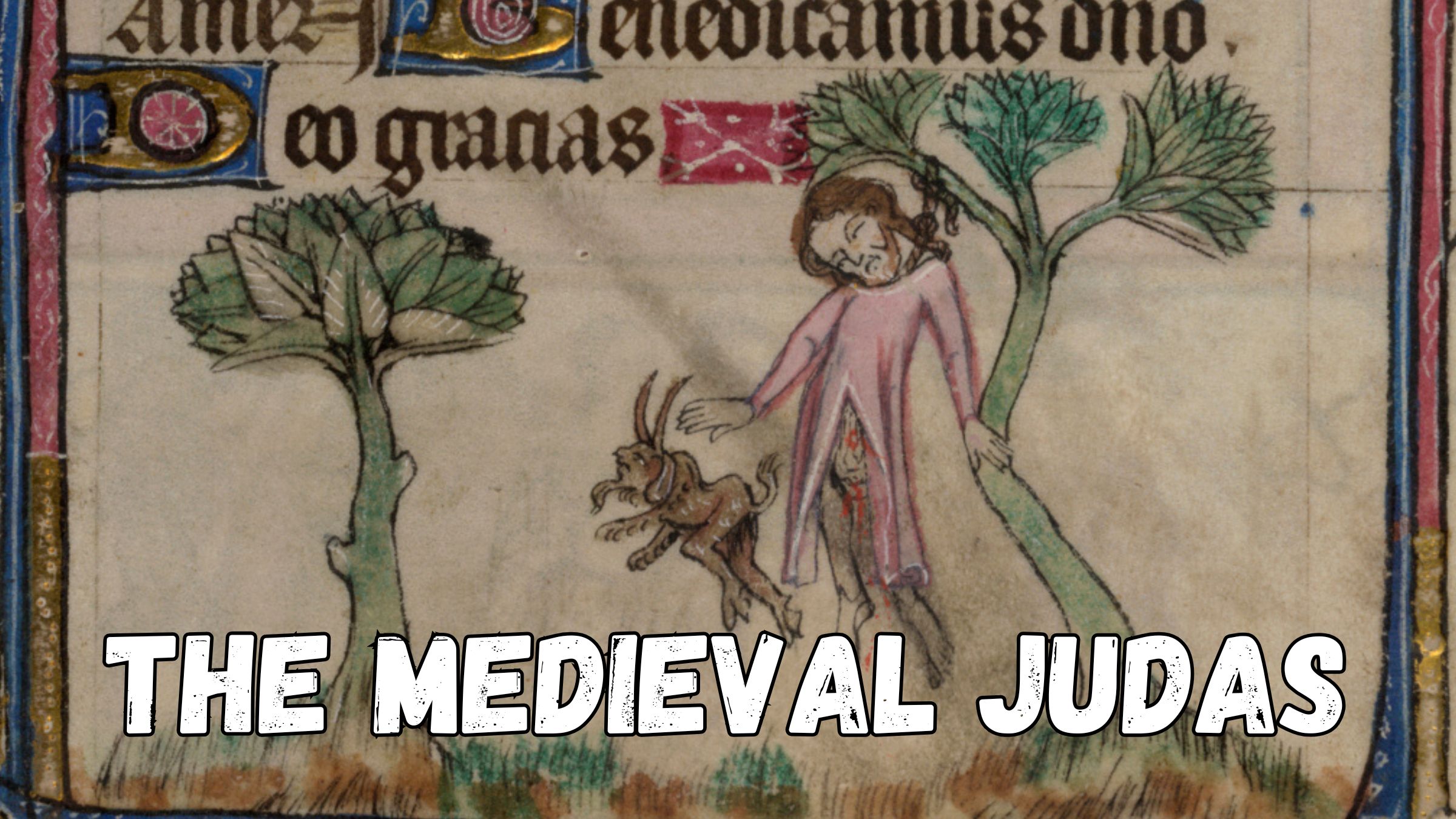
"Judas Iscariot has never ceased to fascinate the Western imagination. Even in the twenty-first century, writers, novelists, and dramatists continue to reinterpret his life, motives, and inner turmoil."
"The crucial distinction lay elsewhere: Peter repented and appealed to divine mercy, whereas Judas, though confessing peccavi, failed to seek forgiveness. His despair closed the path to salvation."
"The defining image of Judas in the Middle Ages was not the betrayer but the hanged man, the figure of irreversible loss and self-condemnation."
"Medieval culture approached Judas very differently. Rather than focusing on the kiss, it meditated on his despair, damnation, and existential isolation, making him a central figure for moral, theological, and mythical reflection."
Judas Iscariot is a complex figure in medieval Christian thought, representing despair, envy, and damnation. Medieval writers transformed him into an anti-hero, focusing on his existential isolation rather than just his betrayal. Unlike Saint Peter, who repented, Judas's despair prevented him from seeking forgiveness, leading to his portrayal as a hanged man, symbolizing irreversible loss. The New Testament offers limited details about Judas, emphasizing his role as a traitor and thief, which medieval culture expanded into a deeper moral reflection.
Read at Medievalists.net
Unable to calculate read time
Collection
[
|
...
]