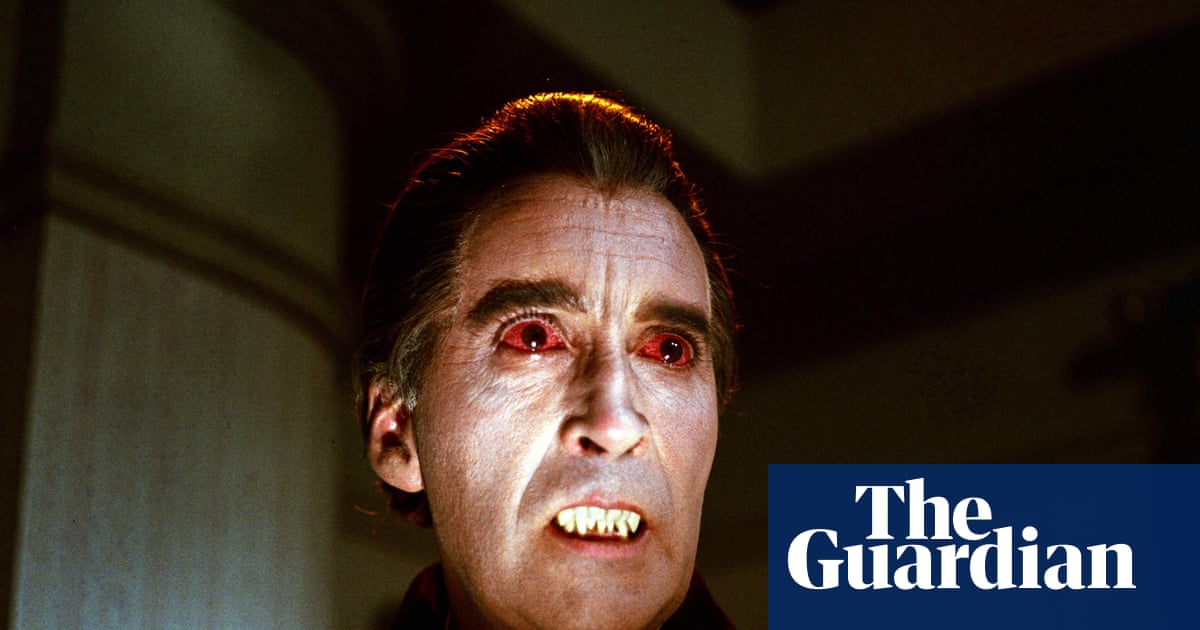
"The word vampire first appears in English in sensational accounts of a revenant panic in Serbia in the early 18th century. One case in 1725 concerned a recently deceased peasant farmer, Peter Blagojevic, who rose from the grave, visited his wife to demand his shoes, and then murdered nine people in the night. When his body was disinterred, his mouth was found full of fresh blood. The villagers staked the corpse and then burned it."
"In 1745, the clergyman John Swinton published an anonymous pamphlet, The Travels of Three English Gentlemen, from Venice to Hamburgh, in which it is written: These Vampyres are supposed to be the Bodies of deceased Persons, animated by evil Spirits, which come out of the Graves, in the Night-time, suck the Blood of many of the Living, and thereby destroy them. And so a modern myth was born."
"But it is not so modern, or exclusively European, as this extraordinary survey shows. Instead, the author, a historian and archeologist, argues that belief in the unquiet dead is found in many cultures and periods, where it can lay dormant for centuries before erupting in an epidemic, as in Serbia. Where there is no written source, John Blair makes persuasive use of archeological finds in which bodies are found to have been decapitated or nailed down."
"In 16th-century Poland, a buried woman had a sickle placed upright across her throat and a padlock on the big toe of her left foot. Someone, our author infers reasonably, wanted to keep these people in their coffins. The familiar horror taxonomy of zombies versus vampires and so forth is relatively modern; they are variations on the single ancient theme that dead people can rise from the grave and persecute the living."
Belief in dangerous, restless dead appears across cultures and historical periods and can erupt into epidemics of revenant panic. The English term vampire emerged from early-18th-century Serbian reports of revenants, including a 1725 case in which Peter Blagojevic allegedly rose, visited his wife, murdered nine people, and was found with fresh blood in his mouth; villagers staked and burned the corpse. A mid-18th-century pamphlet described vampyres as deceased bodies animated by evil spirits that suck the blood of the living. Archaeological finds reveal corpse-control practices, such as decapitation, nailing, sickles across throats and padlocked toes. Diverse folkloric types display a single theme: dead persecuting the living.
Read at www.theguardian.com
Unable to calculate read time
Collection
[
|
...
]