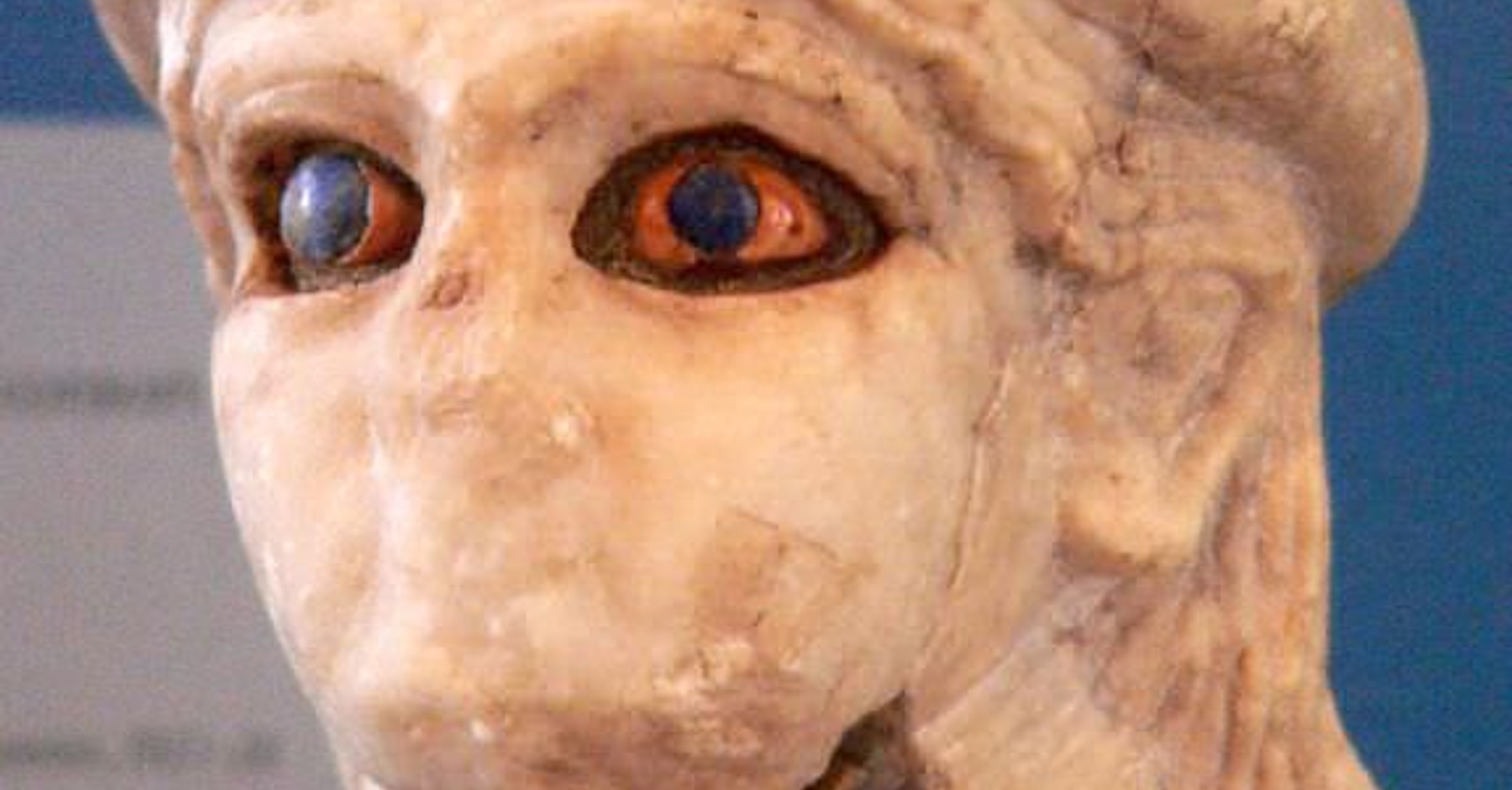
Nineveh, located in modern-day Mosul, Iraq, was settled as early as 6000 BCE and became an important religious center for the goddess Ishtar by 3000 BCE. The city's name likely derives from 'Nin,' meaning 'House of the Goddess' or 'House of Ishtar.' Under Assyrian rule, particularly during the Neo-Assyrian Empire (912-612 BCE), Nineveh flourished under King Sennacherib (705-681 BCE), who made it the empire's capital. At its peak, Nineveh was the world's largest city, featuring gardens, statuary, parks, and a zoo, serving as a major cultural and religious center. Despite its grandeur and prosperity, biblical narratives portrayed it negatively as a city of sin. The city was completely destroyed in 612 BCE by a coalition of Babylonians and Medes.
"At its height, Nineveh was a great cultural center and the largest city in the world, but, after achieving notoriety through the biblical narratives (especially the book of Jonah), it is best-known today as a 'city of sin.'"
"The meaning of the name is disputed, but it most likely relates to the prefix 'Nin' or 'Nina', which often appears in the names of deities and could have meant 'House of the Goddess' or, specifically, 'House of Ishtar' as the city was associated with that goddess from an early date."
"Prior to its fall, however, Nineveh was the largest urban center in the world, ornamented by gardens, statuary, parks, and a zoo, and was regarded as a great cultural and religious center."
Read at World History Encyclopedia
Unable to calculate read time
Collection
[
|
...
]