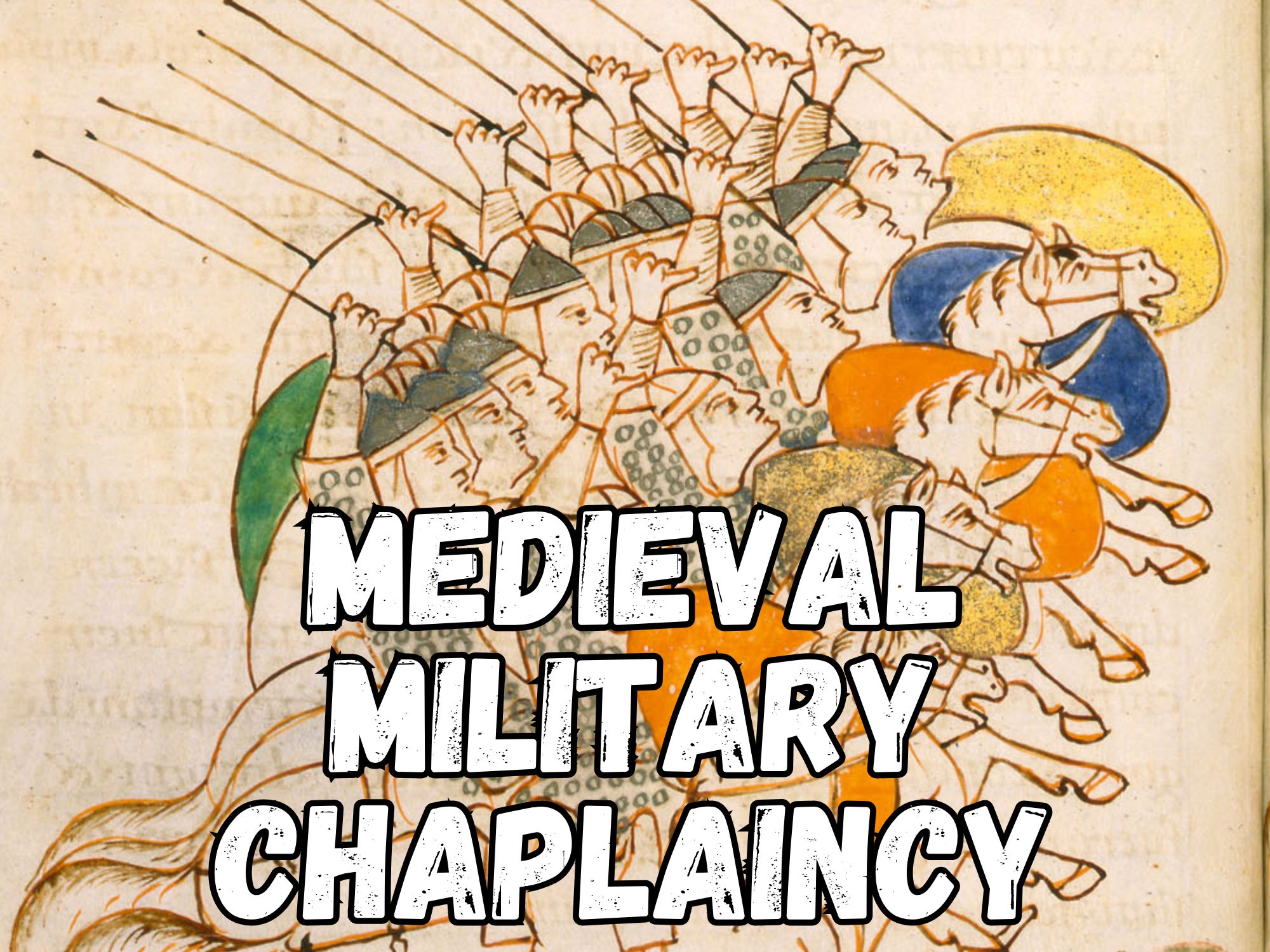
"Long before 'chaplaincy' became an official military institution, medieval armies were already wrestling with a deadly spiritual problem: how could soldiers fight, kill, and still hope for salvation? The answer emerged through new forms of confession and pastoral care—changes that transformed warfare in the Latin West and helped create the first true military chaplains. Military chaplains play an exceptionally important role in Western armies, offering spiritual care and moral support to soldiers and their families."
"The origins of Christian military religion date back to the reign of Constantine the Great, the first Christian Roman Emperor (307-337). The main duty of the Christian bishops accompanying Constantine's armies was to seek divine intervention on behalf of the Romans. These bishops cared for sacred relics, celebrated intercessory masses, led soldiers in prayers to God, and encouraged them to behave morally so as to be worthy of divine support."
Medieval armies faced a moral dilemma: soldiers needed to kill yet also sought salvation. New forms of confession and pastoral care emerged to reconcile combat with spiritual standing, transforming warfare in the Latin West and leading to the development of military chaplains. Early Christian military religion dates to Constantine, whose accompanying bishops sought divine intervention, cared for relics, celebrated intercessory masses, led prayers, and urged moral behavior deserving of divine support. Individual pastoral care was initially limited because deathbed confession remained the norm across the Latin West. Over time, chaplains assumed roles offering spiritual care, moral guidance, and pastoral services to soldiers and families.
Read at Medievalists.net
Unable to calculate read time
Collection
[
|
...
]