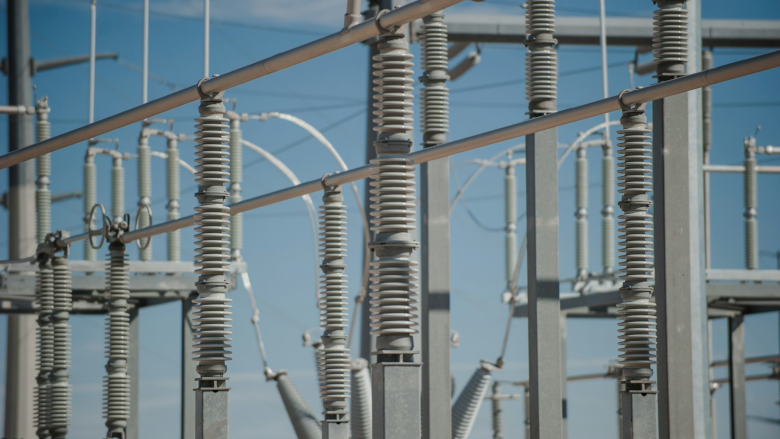
"The energy transition is dramatically expanding the cyberattack surface of critical infrastructure, fundamentally changing the scope and speed at which risks evolve. Modern systems are distributed and digitized, with connected nodes like solar inverters and smart meters, which were often not designed for connectivity."
"Today's infrastructure spans IT, operational technology (OT), and growing IoT layers, creating complexity that many operators struggle to manage. A persistent challenge is basic visibility, as many still lack a reliable inventory of assets at 'layer zero.'"
The global energy system is rapidly transforming through electrification, renewable energy deployment, and digital grid modernization. This shift is increasing the cyberattack surface of critical infrastructure, as energy systems evolve from centralized assets to distributed networks. Modern energy infrastructure includes various connected nodes like solar inverters and smart meters, which complicate cybersecurity management. Distributed energy resources introduce vulnerabilities due to inconsistent patching and legacy components, making it challenging for operators to maintain visibility and security across their networks.
Read at Securitymagazine
Unable to calculate read time
Collection
[
|
...
]