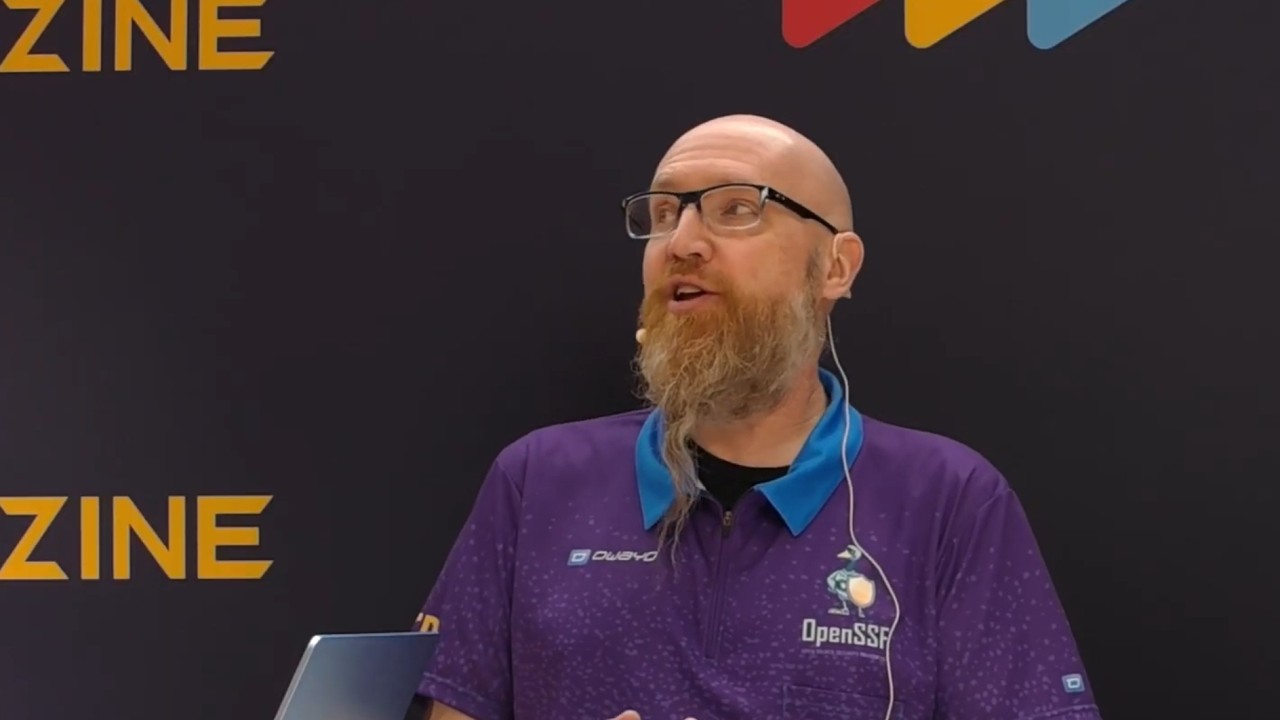
Frontier AI models are becoming faster and more capable, while open-source maintainers remain overwhelmed and lack dedicated security budgets. Attackers are positioned to exploit this imbalance by planting malicious packages in repositories such as NPM to harvest credentials and API keys. With stolen access, attackers can impersonate developers and move laterally across projects maintained by the same volunteers. Nation-state actors can use advanced AI to identify and exploit zero-day vulnerabilities faster than many commercial security teams can respond. The threat also includes psychological exhaustion from AI-generated bug reports and pull requests, including autonomous agents that submit pull requests and then escalate with defamatory content. Coordinated social engineering patterns resemble the XZ Utils backdoor attempt.
"A major AI-driven cyberattack on open source infrastructure is coming. The conditions are in place. Frontier AI models are getting faster and more capable. Attackers are well-resourced, while open-source maintainers are overwhelmed. That combination doesn't favor defenders. AI-based attacks aren't just about injecting malicious code. The current wave starts more quietly. Attackers plant malicious packages in repositories like NPM to harvest credentials and API keys."
"Once they have those, they can impersonate developers and move laterally into every other project those maintainers touch. Nation-state actors take it further. Advanced AI models can identify and exploit zero-day vulnerabilities faster than most commercial security teams can respond. Let alone volunteer open source maintainers with no dedicated security budget. The velocity gap between attacker and defender keeps widening."
"Maintainers describe feeling under a denial-of-service attack from the volume of AI-generated bug reports and pull requests flooding their inboxes. One notable incident showed how autonomous AI agents can file pull requests, and when rejected, generate defamatory blog posts accusing maintainers of discrimination. The goal isn't just code injection. It's exhaustion. When those volunteers get exhausted, they might just accept malicious pull requests."
"The XZ Utils backdoor attempt was a preview. Robinson says his team has since observed similar patterns on other projects: malicious actors submitting problematic patches while coordinated sock puppet accounts add endorsements in the c"
#open-source-security #ai-powered-cyberattacks #supply-chain-attacks #credential-theft #vulnerability-exploitation
Read at Techzine Global
Unable to calculate read time
Collection
[
|
...
]