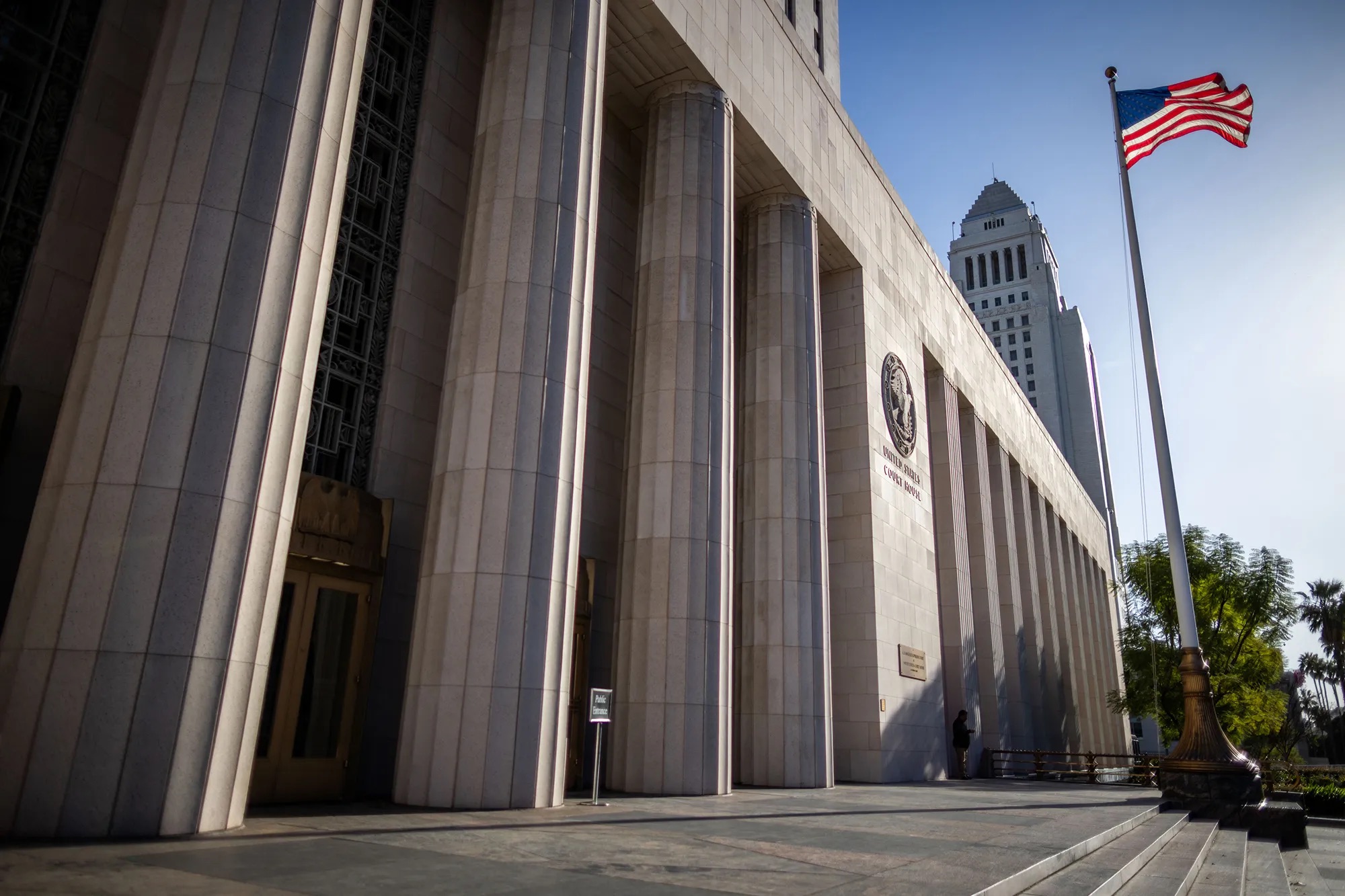
California superior courts have created generative AI use policies required by the state Judicial Council before using the technology. Documents obtained through public records requests show that a majority of courts now have such policies, and about a dozen responding courts report using AI-powered tools from LexisNexis, Thomson Reuters, and Microsoft Copilot. Concerns persist because language models can generate false citations and produce unreliable or overly agreeable text. Research has documented hallucination-related mistakes by litigants, lawyers, and judges, including cases in California since August 2024. Reported incidents include a $10,000 fine for citing nonexistent cases and errors in prosecutor-handled cases in Nevada County. Some legal experts expect more judicial errors as adoption grows, while others argue AI is needed to reduce backlogs and improve efficiency.
"A majority of California's superior courts now have generative AI use policies, according to documents obtained by CalMatters via public records requests, which they were required to create by the state Judicial Council before using the technology. Roughly a dozen of the 51 courts that have responded to CalMatters' requests said they are using AI-powered tools from LexisNexis, Thomson Reuters, and Microsoft's Copilot."
"Use of AI in courts has been controversial because of the propensity of AI models to cite falsehoods and to produce sycophantic text. Models from major companies like Google and Anthropic can reduce critical thinking and brain activity, according to a 2025 MIT study. Language model hallucinations have already made it into the judicial system."
"Researcher Damien Charlotin has documented hundreds of instances of litigants, lawyers, and judges making mistakes when using AI to do their jobs including nearly 90 cases in state or federal courts based in California since August 2024. Last fall, a Los Angeles-based lawyer received a historic $10,000 fine for citing cases that don't exist, and earlier this month the Sacramento Bee reported that use of AI led to errors in four cases handled by prosecutors in Nevada County."
"Klapper, who previously worked as a clerk for a federal appeals court and for surveillance technology company Palantir, said the judiciary needs AI in order to reduce backlogs and increase efficiency. "Could we hire more people?" he told CalMatters. "Maybe, but it's not going to keep pace with the exponential increase that's coming, nor is it going to be able to adequately solve th"
Read at Kqed
Unable to calculate read time
Collection
[
|
...
]