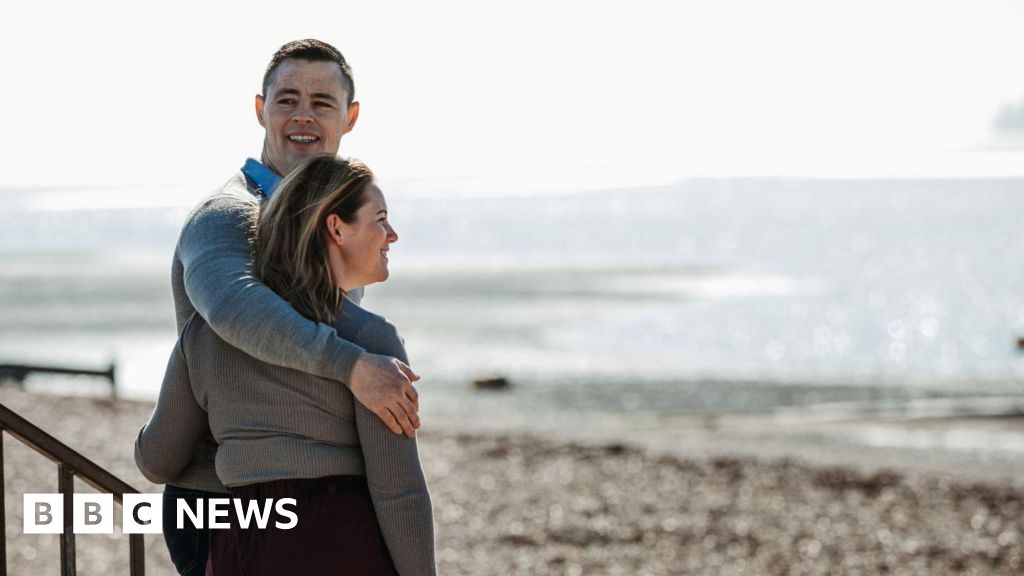
Peter Murphy suffered a serious head injury and a pelvic fracture after a kite surfing accident on Shoeburyness beach in Essex. His kite spiralled and sent him into the sea wall, leaving him unable to remember the incident and unable to work for three months. Essex and Herts Air Ambulance treated him at the scene and transported him to hospital in London. Murphy credited the air ambulance with saving his life and said he felt given another chance. The charity carries pupillometers on its helicopters to provide instant readings of pupil response to light, reducing guesswork compared with using a pen torch. Clinical experts said the main concern is often secondary brain injury, and field interventions can make the difference before hospital transport.
"Peter Murphy suffered a serious head injury when his kite spiralled and sent him into the sea wall on Shoeburyness beach in Essex. He was treated at the scene by Essex and Herts Air Ambulance before being taken to hospital in London, having also suffered a pelvic fracture. Murphy, from Hornchurch in east London, said: "It's hard to believe a day that started with me doing one of my favourite activities could take such a turn.""
"Murphy has shared what happened to him in a new short film that has been made to raise awareness about brain injuries. The incident in 2023, which Murphy cannot remember, left him unable to work for three months. "I hate to think what would have happened without the air ambulance. I feel like I've been given another chance," he said. "You never think about whether you'll be in that situation of needing them until you are.""
"The air ambulance charity is the first to carry pupillometers on its helicopters, which give an instant reading of how a patient's pupils respond to light - and they helped in Murphy's treatment. Previously, crews working across Essex and Hertfordshire relied on a pen torch and their own judgement. Laurie Phillipson, a clinical expert at the charity, said it "takes the guesswork" out of care."
""In cases like Peter's, often the biggest concern is not the initial trauma but the risk of secondary brain injury," she said. "Interventions in the field can make all the difference... and we are committed to ensuring we deliver the best possible care on the ground before we transport the patient to hospital.""
Read at www.bbc.com
Unable to calculate read time
Collection
[
|
...
]