"The analysis, commissioned by Trust for London and carried out by University College London, tracked 25 years of data and focused on 53 neighbourhoods previously identified as gentrified in research published in April. It found that wealthier people are increasingly moving into these areas from further away, while long-term residents are more likely to be moving out, meaning neighbourhoods are changing quickly and becoming more expensive."
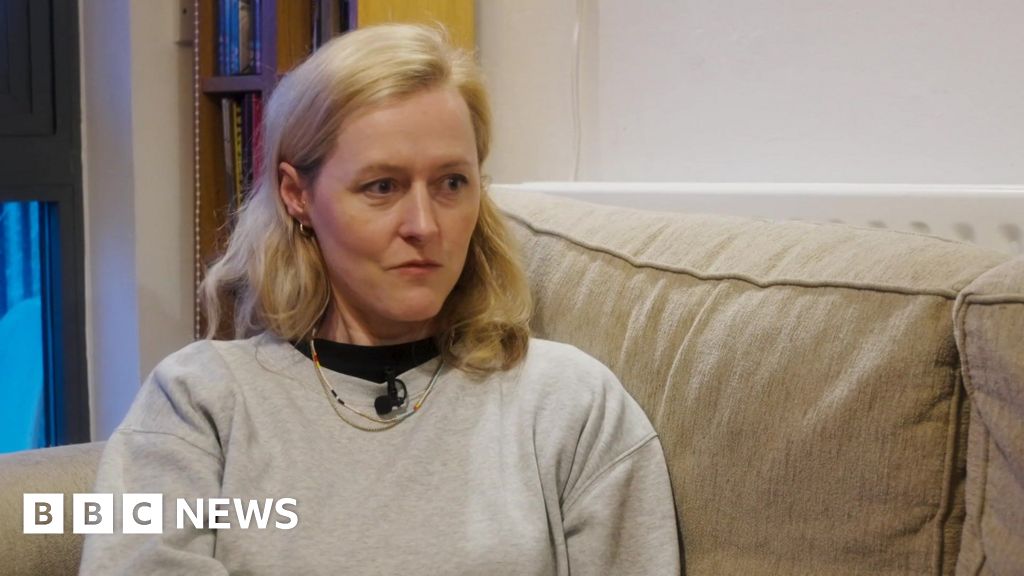
"But as rents and property prices continue to rise, she fears she may no longer be able to afford to stay in the east London area she has long called home. "I really want to stay in this area because I've been living here a long time now. I want to be near my children's school, I want to be near my workplace, but my flat's too small now," she BBC Politics London."
"The research also showed those neighbourhoods saw sharp income rises between 2012 and 2020, alongside significant demographic change, including fewer families with children and a drop in the number of black residents. "These 53 neighbourhoods all had lower than average incomes in 2012 and saw big increases by 2020," the research notes. "This new analysis illustrates the pace of change and population churn that gentrification is causing.""
An analysis commissioned by Trust for London and carried out by University College London tracked 25 years of data across 53 neighbourhoods previously identified as gentrified. Wealthier people are increasingly moving into these areas from further away, while long-term residents are more likely to move out, causing rapid transformations and rising costs. Those neighbourhoods experienced sharp income increases between 2012 and 2020, declines in the number of families with children, and a drop in the number of black residents. Local residents report difficulty finding larger affordable housing nearby and visible street-by-street changes in places like Hackney Wick.
Read at www.bbc.com
Unable to calculate read time
Collection
[
|
...
]