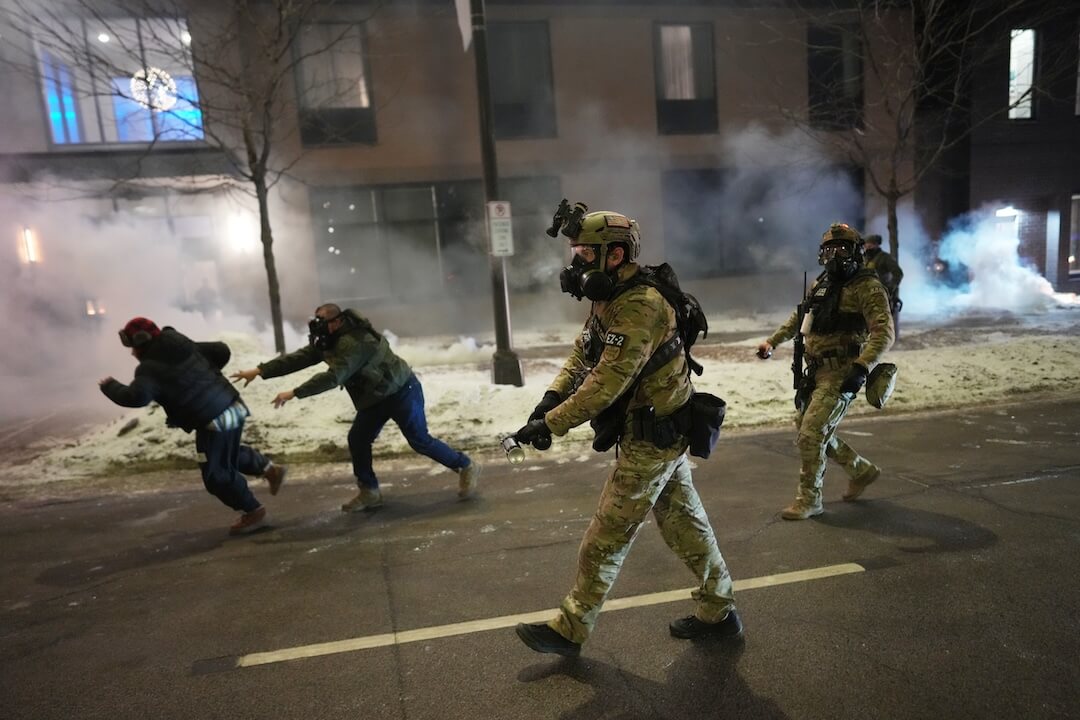
"A mob that laid siege to the U.S. Capitol on Jan. 6 quickly identified the journalists assigned to cover the attack as targets. Reporters on the scene were threatened, harassed and physically assaulted. Later that evening, police briefly arrested two journalists while their cameras rolled. Journalists will likely continue to find themselves in harm's way as they document turbulent stories. Poynter has prepared a handout of safety guidelines (updated from a previous list for covering 2020's protests) for you to use and circulate to staff."
"Physical fitness is an important consideration in covering situations that could suddenly turn violent; journalists whose mobility is limited should weigh the risks in advance. Working alone has the advantage of lowering your visibility but also leaves you with blind spots. Look out for and, when appropriate, team up with other journalists. Practice "situational awareness." Constantly scan your surroundings as crowds move. Monitor audio but keep an ear open for changes your microphone may not detect. Is someone moving up behind you?"
Reporters covering protests and unrest must prioritize personal safety by staying on the edges of crowds, moving in short steps and assessing physical fitness and mobility risks. Working alone reduces visibility but creates blind spots, so teaming with other journalists can improve safety. Maintain situational awareness by constantly scanning surroundings, monitoring audio, and checking for people approaching from behind. Use periodic reminders, such as a phone timer every 15 minutes, to identify exits, monitor police interactions, assess escalation risks and avoid illegal acts like trespassing. Carry a grab bag with first-aid supplies, water, high-protein snacks, eye protection, a respirator mask, a flashlight and other essentials.
Read at Poynter
Unable to calculate read time
Collection
[
|
...
]