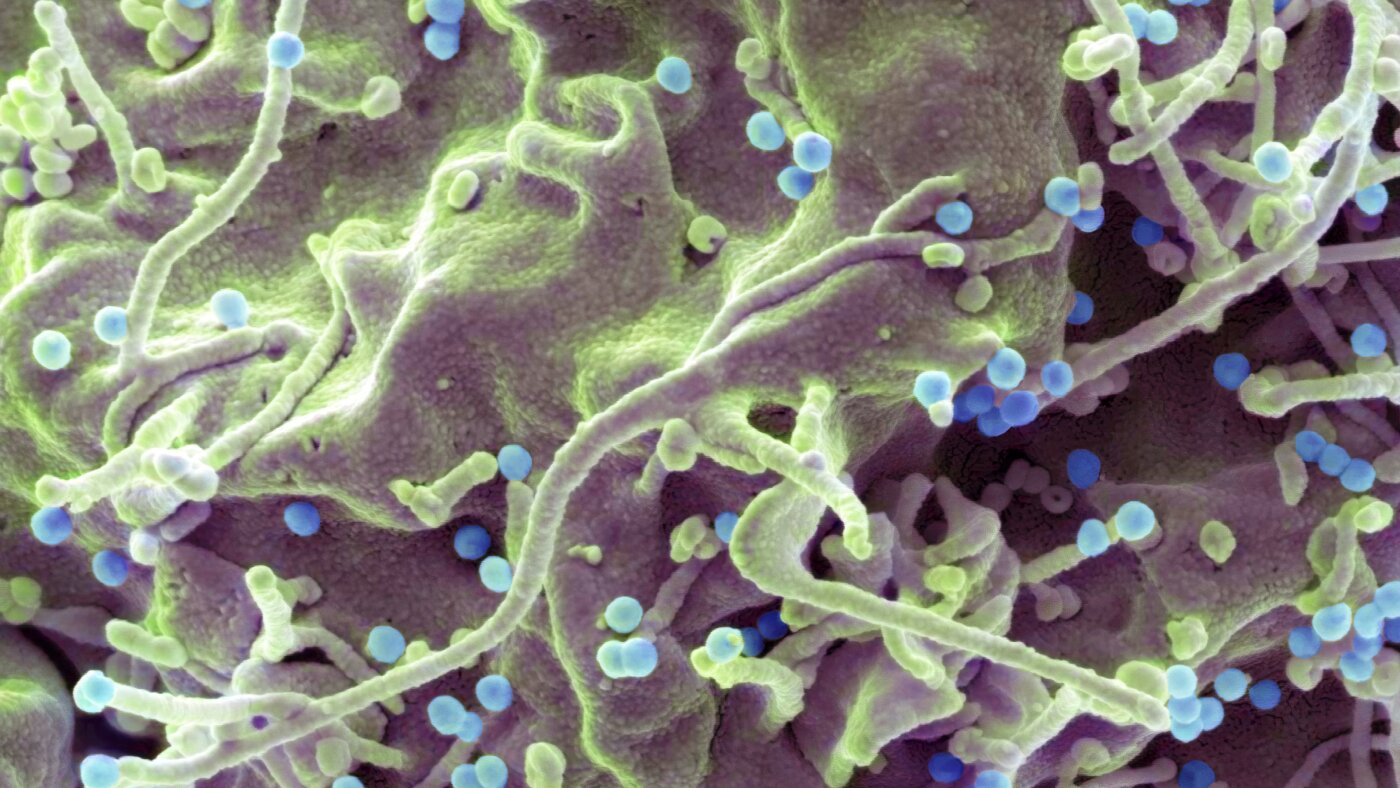
"They keep asking: 'Why can't I have a single pill? Or can I have injections?' And you have to keep saying: 'No,' explains Orkin, who is a physician and a researcher at Queen Mary University of London. It's not a pipe dream. Most of the world's 40 million HIV patients can already take a single daily pill each day to keep the virus at bay or injections every two months."
"They had drugs that didn't work that well, and therefore they developed some resistance to these medications. Another group of HIV patients who've developed resistance are those who have not been able to take their HIV medications consistently. The result? These individuals must take many pills, multiple times a day, to keep the virus in check."
"Science has moved on for everyone else except for them. They're like a forgotten population. But soon, Orkin hopes to be able to answer her patients' pleas for a single daily pill with a new answer: Yes!"
While most HIV patients worldwide can now take a single daily pill or receive injections every two months, tens of thousands of patients—particularly those diagnosed during the early AIDS epidemic or those with inconsistent medication adherence—have developed drug resistance. These individuals require complex regimens of multiple pills taken several times daily to control the virus. This approach presents significant challenges including logistical difficulties, side effects like diarrhea, and problematic drug interactions with other medications. Protease inhibitors, for example, can intensify side effects from non-HIV drugs. Dr. Chloe Orkin at Queen Mary University of London describes these patients as a forgotten population, as medical science has advanced for most HIV patients but left this group behind.
#hiv-drug-resistance #antiretroviral-therapy #medication-adherence #drug-interactions #treatment-innovation
Read at www.npr.org
Unable to calculate read time
Collection
[
|
...
]