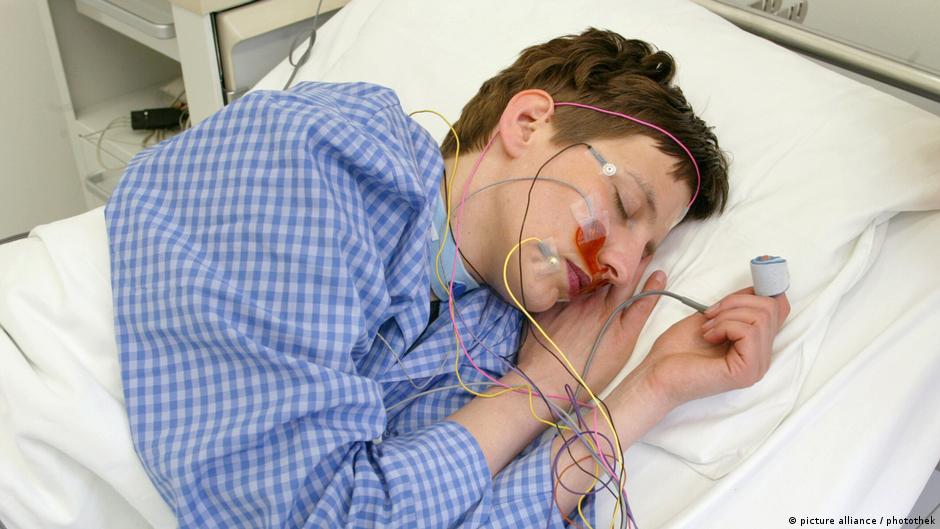
"After just one night's sleep in a laboratory, during which physiological signals are recorded, a new artificial intelligence model can estimate a person's risk for around 130 diseases later in life. That includes risks for Parkinson's disease, dementia, heart disease and prostate and breast cancer. The model is called SleepFM and it can make these predictions years before the first symptoms become evident,"
"SleepFM was fed nearly 600,000 hours of sleep data collected from 65,000 sleepers. The study and measurement of sleep is called polysomnography and it uses various sensors to measure brain waves, heart activity, breathing, muscle tension and eye and leg movements while the patient is asleep. For SleepFM, the team used data collected primarily from Stanford University's Sleep Medicine Center in California in the US."
"First, SleepFM was shown signals from the brain, heart and body during normal sleep, with "normal" averages calculated statistically. After that, SleepFM was taught about the different stages of sleep as well as sleep apnea, a disorder where breathing repeatedly stops and starts during sleep. The researchers then connected the sleep data with electronic health records going back 25 years and examined how later health diagnoses correlated with the measurements from polysomnography."
SleepFM analyzes physiological signals recorded during one night of laboratory polysomnography to predict long-term disease risk. The model was trained on nearly 600,000 hours of sleep data from 65,000 sleepers and used signals from brain, heart and body sensors. Polysomnography measures brain waves, heart activity, breathing, muscle tension, and eye and leg movements. Data were collected primarily at Stanford University's Sleep Medicine Center. SleepFM learned normal signal averages, sleep stages and sleep apnea patterns, then linked sleep measurements to 25 years of electronic health records to identify patterns predicting about 130 diseases with medium-to-high accuracy, including neurodegenerative, cardiac and cancer risks.
Read at www.dw.com
Unable to calculate read time
Collection
[
|
...
]