"Parents are constantly reminded about food allergies. Whether it's the sign on the day care window saying that the building is a nut-free space, or someone regaling you at a birthday party about all of the foods their child can't eat, you can't go for more than a day or two without thinking about allergic reactions. It's just one more worry to add to the giant pile of things that you have at the back of your mind every day."
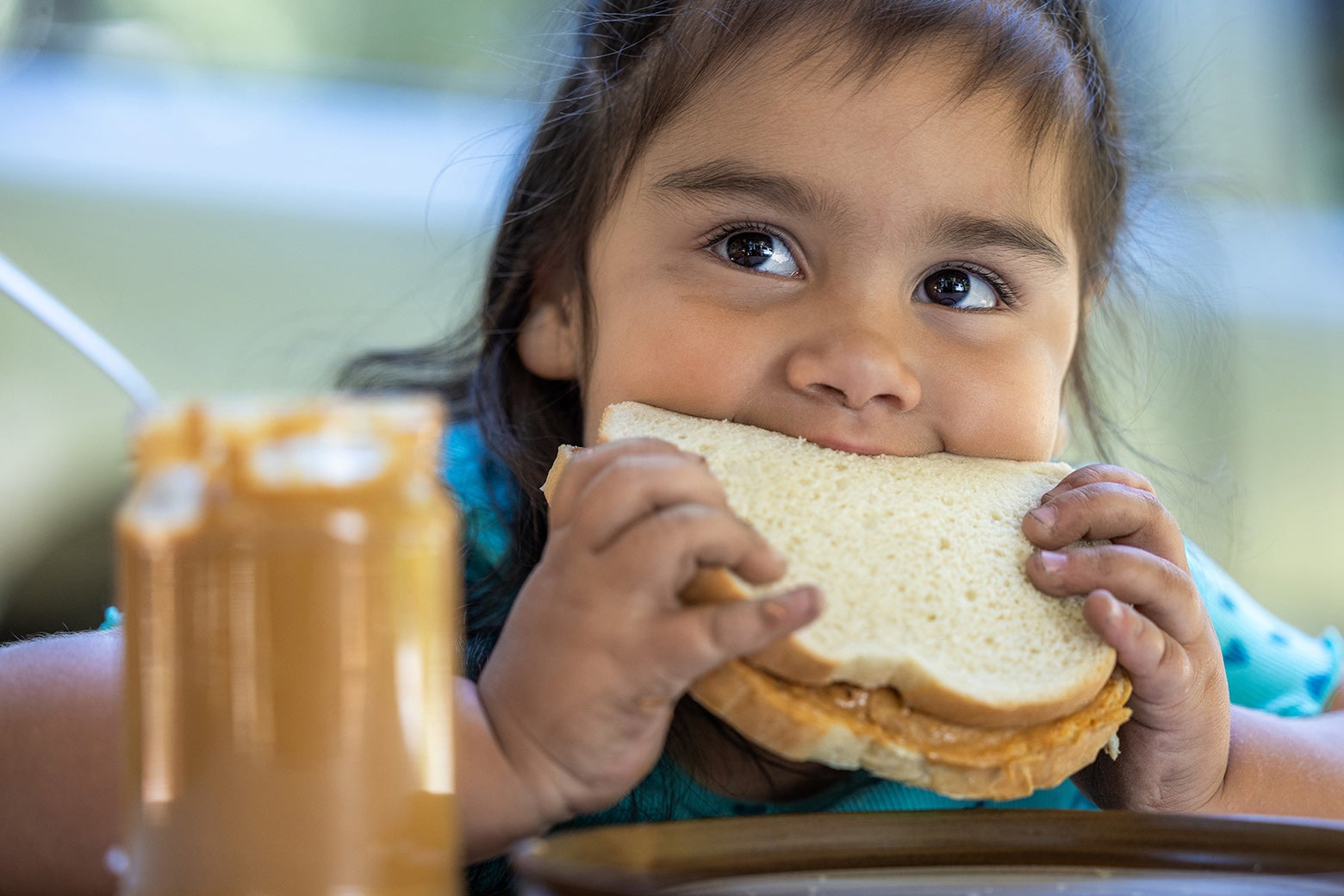
"But according to a new study published in the journal of the American Academy of Pediatrics, there's good news in the realm of nuts. Peanut allergies have fallen precipitously, with rates dropping by 30 percent or more since 2013. It's great news for anxious parents, for community spaces where children eat, and for all the kids who deserve to know the simple bliss of a peanut butter and jelly sandwich."
"Peanut allergies were for a long time something of a source of academic disagreement. In the '80s, '90s, and '00s we saw a sharp increase in the number of children with allergies to a variety of foods. We still aren't entirely clear on whether this was due to better measurement of disease, better testing, or some environmental trigger that could've impacted children's health."
Parents frequently encounter reminders about food allergies in childcare and social settings. Peanut allergies fell precipitously, with rates dropping by 30 percent or more since 2013. The decline benefits anxious parents, communal eating spaces, and children who can enjoy foods like peanut butter and jelly sandwiches. Allergies increased sharply in the 1980s through the 2000s, potentially because of improved measurement, testing, or environmental triggers. Earlier recommendations emphasized avoidance for high-risk children identified by family history, other allergies, and eczema. Avoidance did not stop rising allergy rates, and official recommendations changed in 2008.
Read at Slate Magazine
Unable to calculate read time
Collection
[
|
...
]