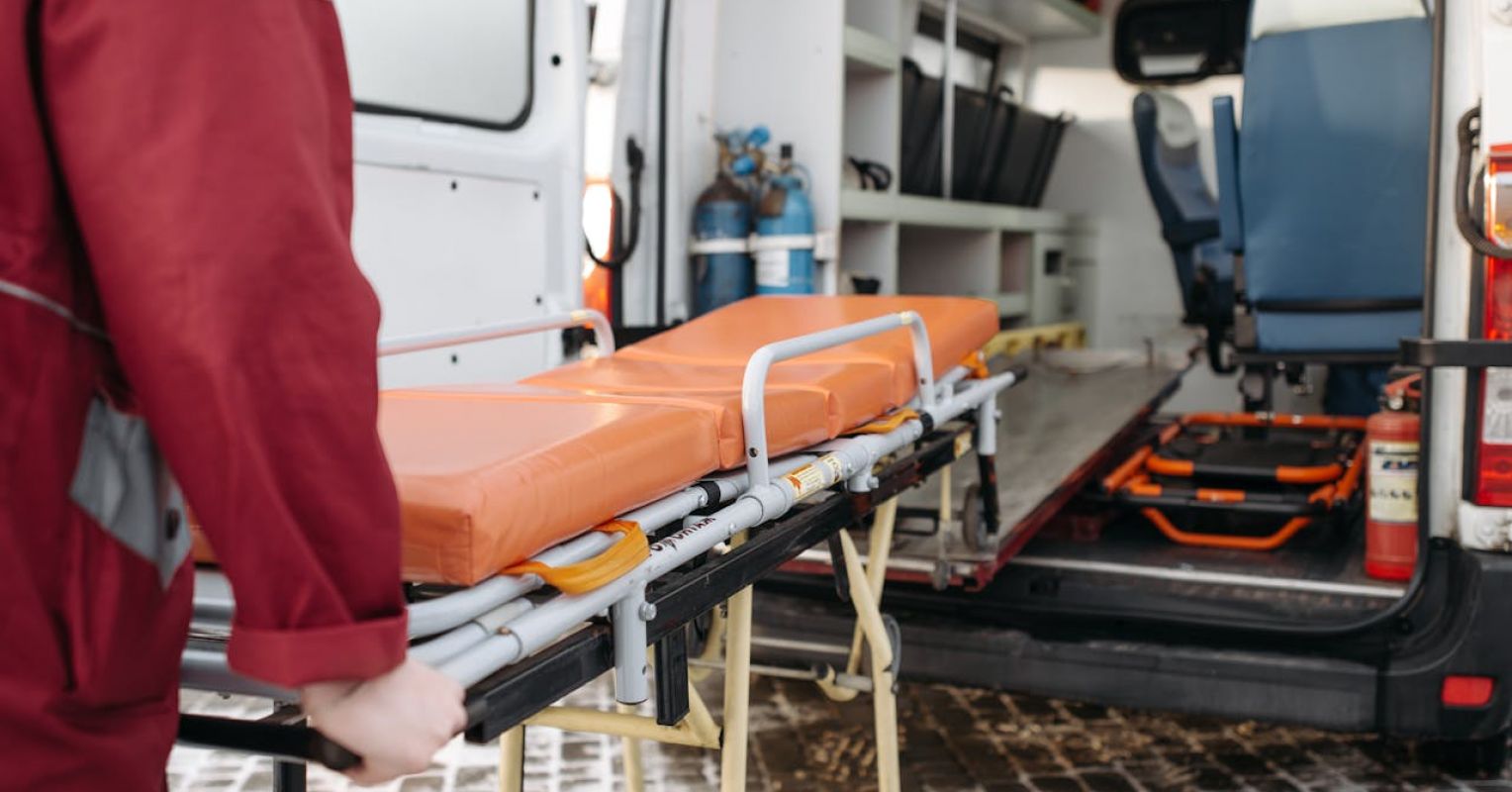
PTSD and stress-related conditions have increased in recent years, with particularly high prevalence among law enforcement, emergency first responders, and combat veterans. Effective treatment and prevention of stress-related disorders are essential and growing in importance. Development of resilience is central to coping with occupational and post-combat stress. Resilience comprises specific, trainable skills that can improve individuals’ ability to manage extraordinary stress. Psychoeducational and resilience-focused training can leverage cognitive strategies to redirect neural responses to stress. Mental health professionals can support these interventions, and structured resiliency training programs include multiple facets tailored to emergency workers, veterans, and law enforcement.
"Among the most crucial factors in dealing well with stress, including the extraordinary stress presented occupationally to law enforcement and emergency workers, and the post-combat stress experienced by many veterans, lies in the development of resiliency (Price-Sharps & Sharps, 2025). There are of course individual differences in resiliency that contribute to an individual's ability to deal with stress, even the extraordinary stress of emergency situations or battle."
"Mental health professionals are well-suited to assist in this training, but it's important for everyone involved to understand major aspects of what goes into any effective resiliency training program. A brief synopsis of some of the major facets of such resiliency training, especially for combat veterans, emergency workers, and law enforcement officers, is given below (see Price-Sharps & Sharps, 2025, for more detailed discussion)."
Read at Psychology Today
Unable to calculate read time
Collection
[
|
...
]