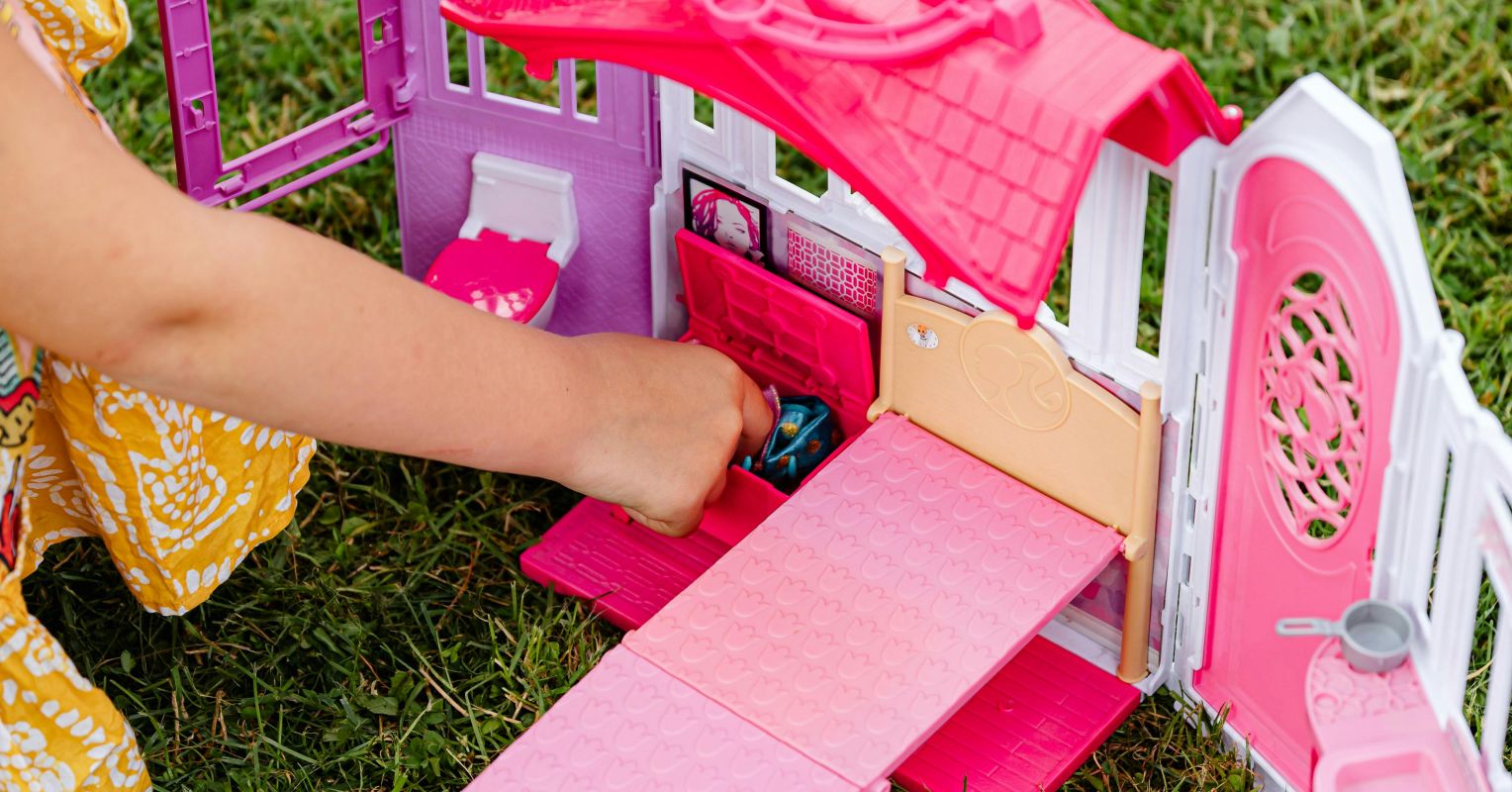
Mattel released Autistic Barbie on January 11, 2026, a doll with an official autism diagnosis who uses augmentative and alternative communication (AAC), carries a fidget spinner, wears comfortable clothing, and uses noise‑canceling headphones to manage sensory sensitivities. Wider representation allows autistic people whose traits match to see themselves and helps others recognize diverse autism presentations. Many portrayals focus on autistic people who can speak or whose special interests align with professional success, narrowing public perception. No single doll can represent an entire autistic community because communities comprise diverse individuals. Observations suggest that many existing Barbies display concentrated interests, sensory preferences, repetitive behaviors, and physical traits associated with autism.
"A lot of autistic representation looks at people like me: people who can talk with our mouths, or people whose special interest fits neatly into a profession where they excel, even if they seem "quirky" to their peers. Representing a variety of autistic experiences is important, both for autistics whose traits look like Autistic Barbie to see themselves and for the rest of us to see them."
"Every Barbie has a special interest. Each Barbie has that one thing that makes up her entire personality. If we see Barbie as one being, she becomes fully immersed in one thing and then switches to something else, with equal intensity, so one could argue that Barbie is AuDHD. Barbie toe-walks and is hypermobile, being able to bend her legs and arms at extreme angles and contortions."
Read at Psychology Today
Unable to calculate read time
Collection
[
|
...
]