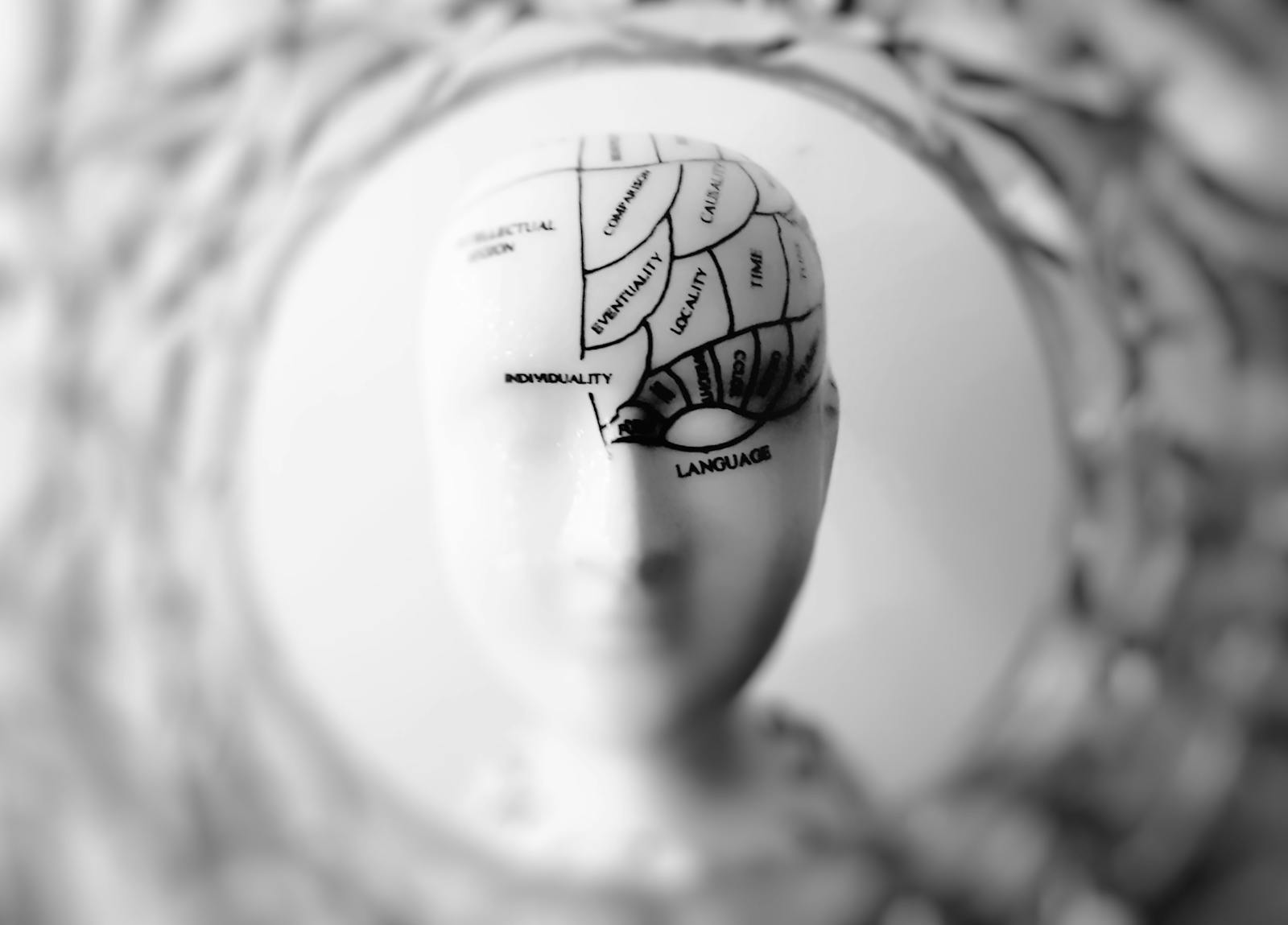
People who perform exceptionally well during crises often experience emotional collapse once the stressful situation ends. This phenomenon, called the "let-down effect," occurs because chronic stress fundamentally reshapes the brain's threat-detection circuitry. The amygdala becomes hyperresponsive while the prefrontal cortex shrinks, creating a nervous system adapted to constant threat. When stress disappears, the brain doesn't return to baseline but instead creates a mismatch—the threat-detection system continues scanning for dangers that no longer exist. In the absence of external threats, the nervous system generates internal ones, making safety feel suspicious rather than peaceful to a threat-adapted brain.
"Research from the National Institute of Mental Health has shown that chronic stress exposure fundamentally reshapes the brain's threat-detection circuitry. The amygdala - the brain's alarm system - becomes hyper-responsive. The prefrontal cortex, responsible for rational thought and emotional regulation, actually shrinks. But here's the twist: when someone has adapted to chronic stress, the removal of stress doesn't simply return the brain to baseline. It creates a mismatch."
"Peace, to a threat-adapted brain, is not peaceful. It's suspicious. The system keeps scanning for threats that aren't there, and in the absence of external ones, it starts generating internal ones."
#nervous-system-adaptation #post-crisis-collapse #chronic-stress-neuroscience #threat-detection-circuitry
Read at Silicon Canals
Unable to calculate read time
Collection
[
|
...
]