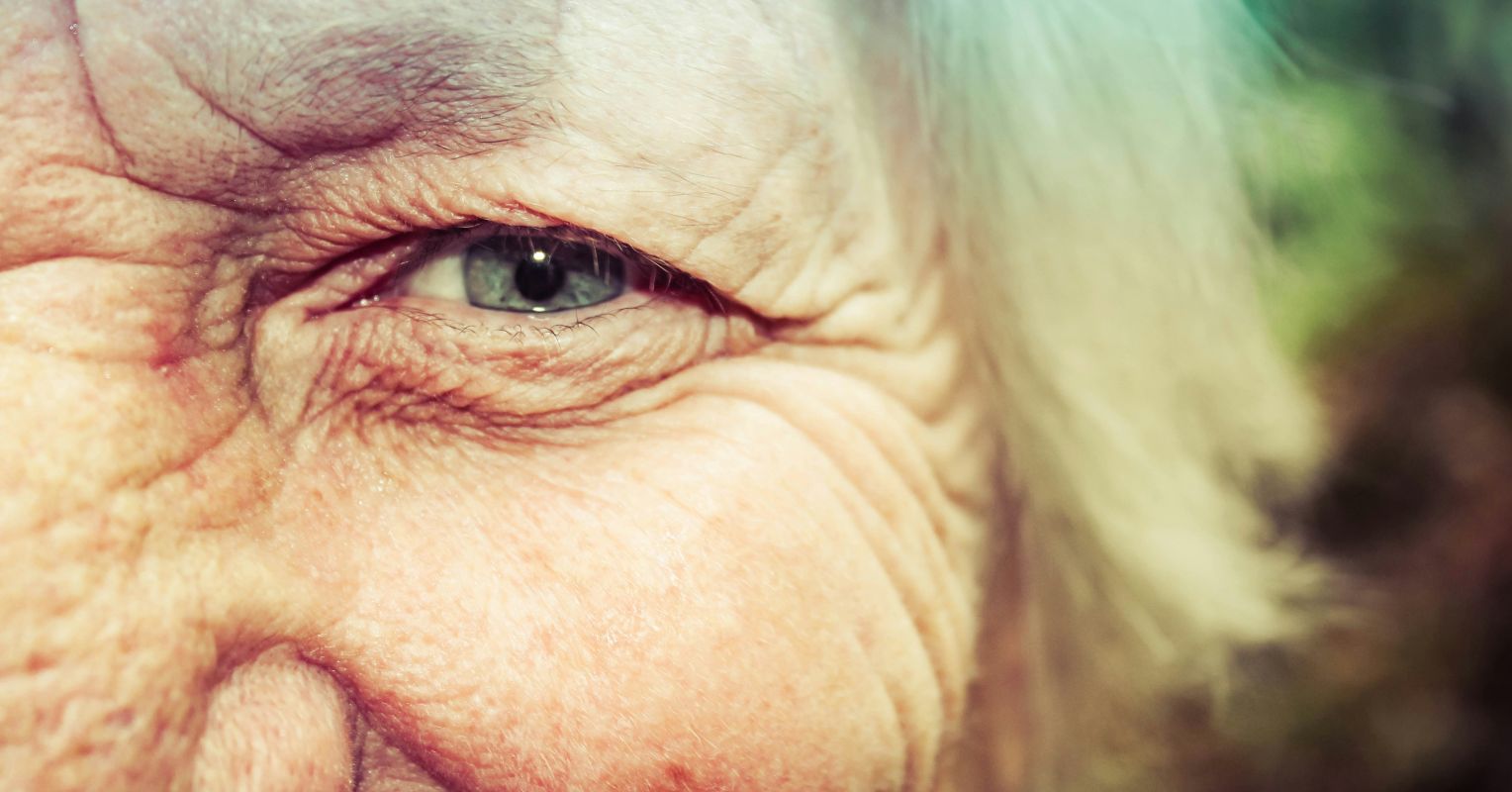
"Walk into any pharmacy aisle, scroll through social media, or glance at advertising on a typical day, and one message becomes unmistakable: Youth is prized, youth is sought, youth is sold. Wrinkles are treated as problems to fix, gray hair as something to cover, libido changes as something to correct, and bodies' shifts with time as signs of decline rather than normal adaptation."
"Western beauty standards have long equated youth with value: smooth skin, thick hair, firm muscle tone, sexual vitality, and endless energy. These ideals ignore the reality that aging begins the day we are born. Every decade brings changes in skin elasticity, body composition, hormone levels, sleep cycles, and cognitive patterns. These are not signs of failure. They are signs of being alive."
Western culture privileges youth, portraying wrinkles, gray hair, libido shifts, and bodily changes as problems rather than natural adaptations. Aging begins at birth and produces predictable changes in skin elasticity, body composition, hormones, sleep, and cognition across decades. Cultural pressure to remain youthful fosters chronic self-monitoring, shame, and feelings of invisibility for many adults. Internalizing these beauty standards increases anxiety, depression, and body dissatisfaction regardless of age. Framing aging as a natural process and cultivating self-compassion supports better mental health, greater acceptance, and improved well-being across the lifespan.
Read at Psychology Today
Unable to calculate read time
Collection
[
|
...
]