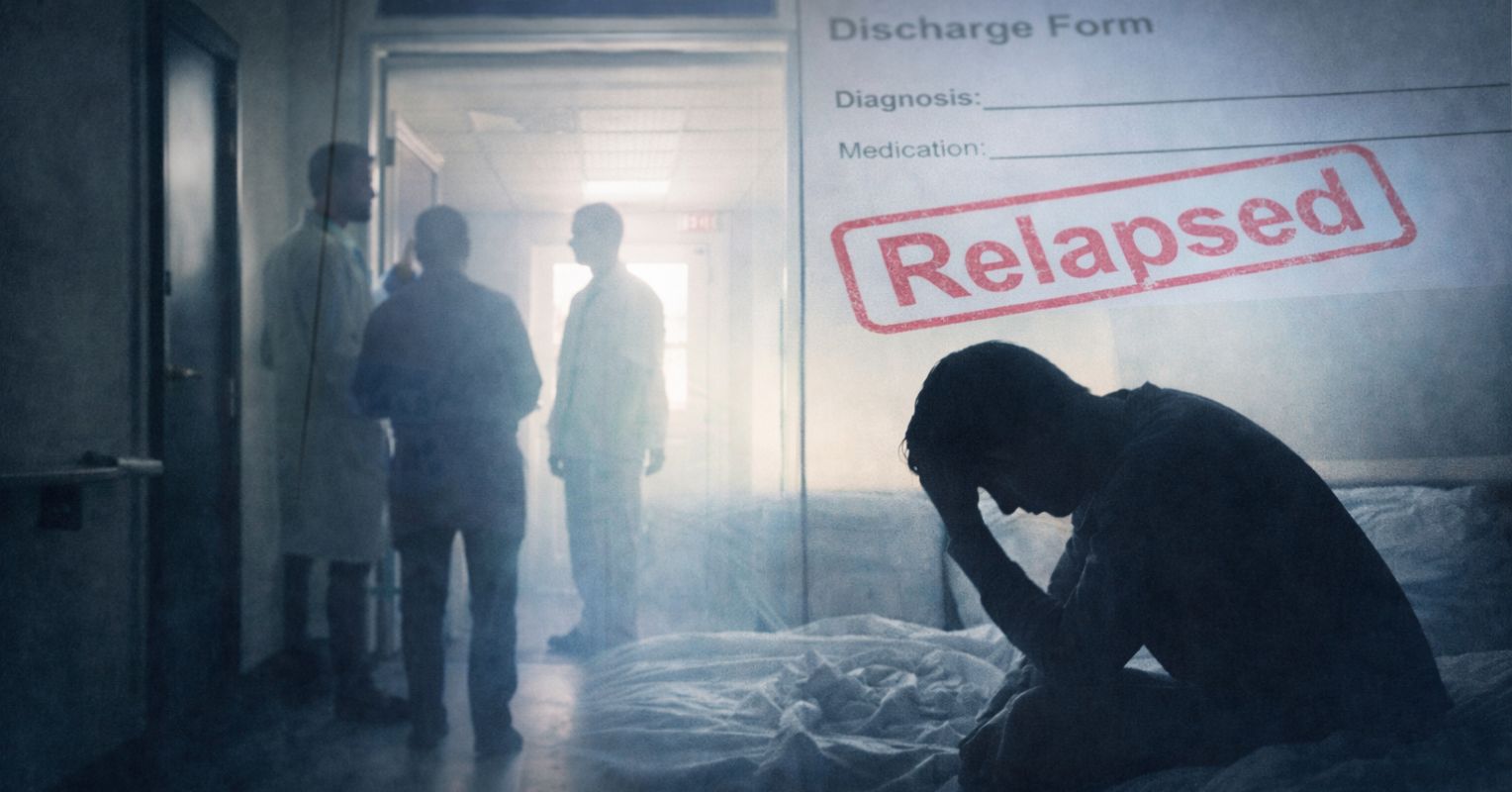
"For decades, addiction treatment in the United States has relied on a familiar explanation when people relapse: recovery is hard, addiction is chronic and setbacks are part of the process. That narrative is often delivered with compassion, but it can obscure a more troubling reality. Many treatment failures are not personal shortcomings. They are predictable outcomes of how recovery is currently designed."
"This is the central argument of addiction specialist Jimmie Applegate's newly released book, Addicted to Failure, which examines how the modern recovery system repeatedly produces poor outcomes while attributing them to individual weakness rather than structural design. Drawing on neuroscience, trauma research and decades of clinical experience, Applegate challenges some of the most deeply ingrained assumptions in addiction treatment and asks why a system with such consistently disappointing results continues to defend itself as effective."
Addiction treatment commonly conflates short-term abstinence with genuine psychological healing by using fixed program timelines that rarely match slower neural recovery processes. Trauma frequently underlies substance use, yet many programs do not offer trauma-informed care or sufficient long-term emotional and attachment work. Recovery systems emphasize compliance, enrollment metrics, and preset durations rather than agency and individualized rehabilitation, making relapse an expected but normalized outcome. Neuroscience and clinical evidence indicate impulse control, emotional regulation, and decision-making circuits take far longer to stabilize than typical program lengths, signaling a need for longer-term, trauma-responsive, autonomy-supporting treatment models and systemic reform.
Read at Psychology Today
Unable to calculate read time
Collection
[
|
...
]