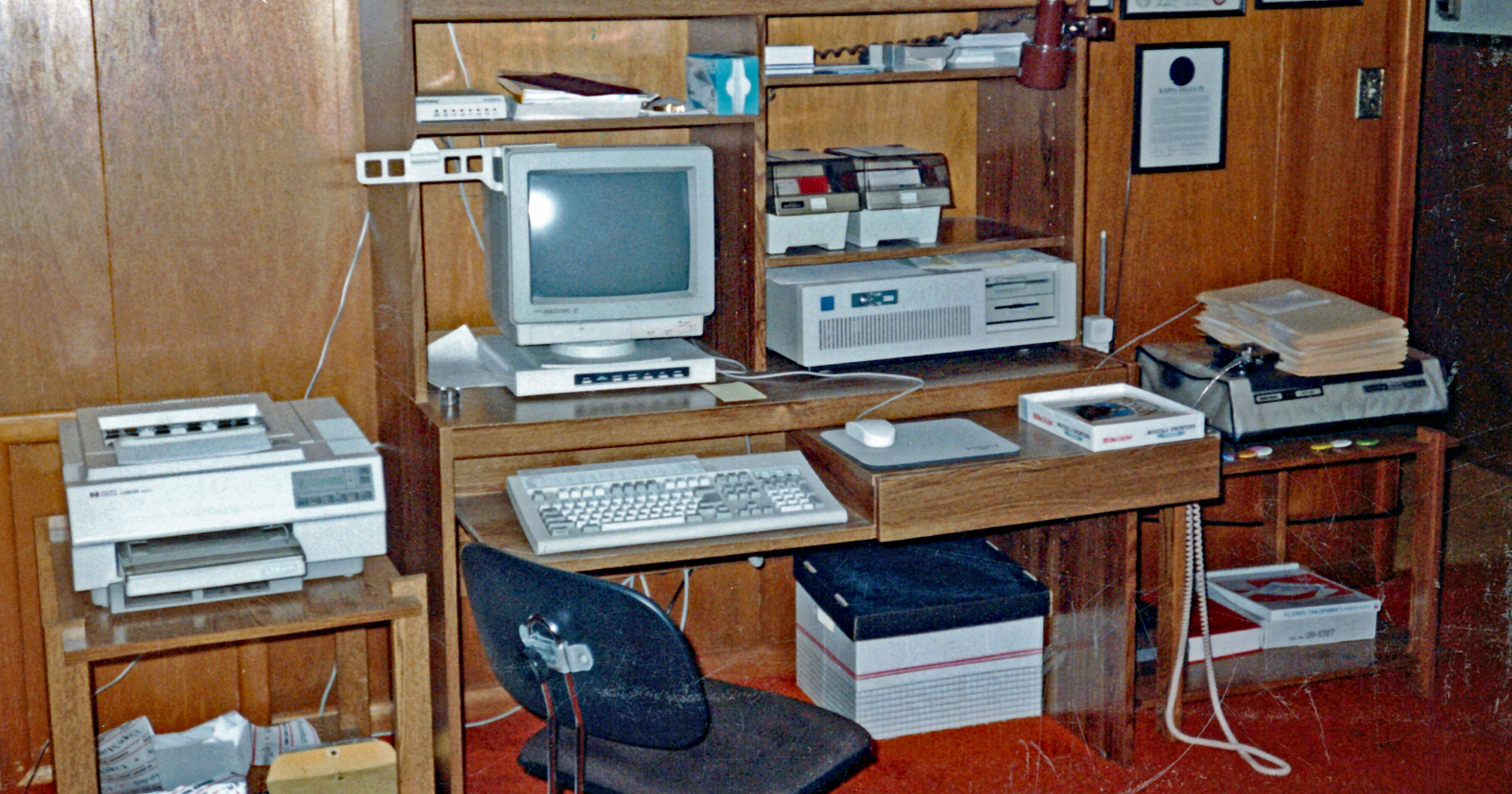
Growing up in a working-class Manchester neighborhood during the 1990s, everyday consumer purchases carried significant psychological and social weight. Items like cordless phones and stereo systems represented status symbols and markers of financial success that families carefully saved for and discussed extensively. These goods signified achievement and social standing within communities where financial margins were tight. The author reflects on how humans are inherently status-seeking, particularly in working-class environments where small material victories held enormous importance. Today, these same items cost a fraction of their original prices, barely registering as significant purchases. The contrast illustrates how consumer culture, pricing, and the symbolic meaning of possessions have transformed dramatically over three decades.
"What strikes me now, looking back, is how these everyday items carried so much weight. They weren't just things-they were statements. They said you were doing alright, keeping up, maybe even getting ahead. The psychology of it fascinates me. As I've read in various sociology texts over the years, humans are inherently status-seeking creatures, and in working-class communities where the margins were thin, these small victories mattered enormously."
"That phone cost my parents about £150 in 1993. Today? You can get one for £15 at any supermarket. Less than a decent bottle of wine. Nothing said you'd made it quite like a proper stereo system with a CD player. I'm talking about those massive units with separate speakers that took up half your living room."
Read at Silicon Canals
Unable to calculate read time
Collection
[
|
...
]