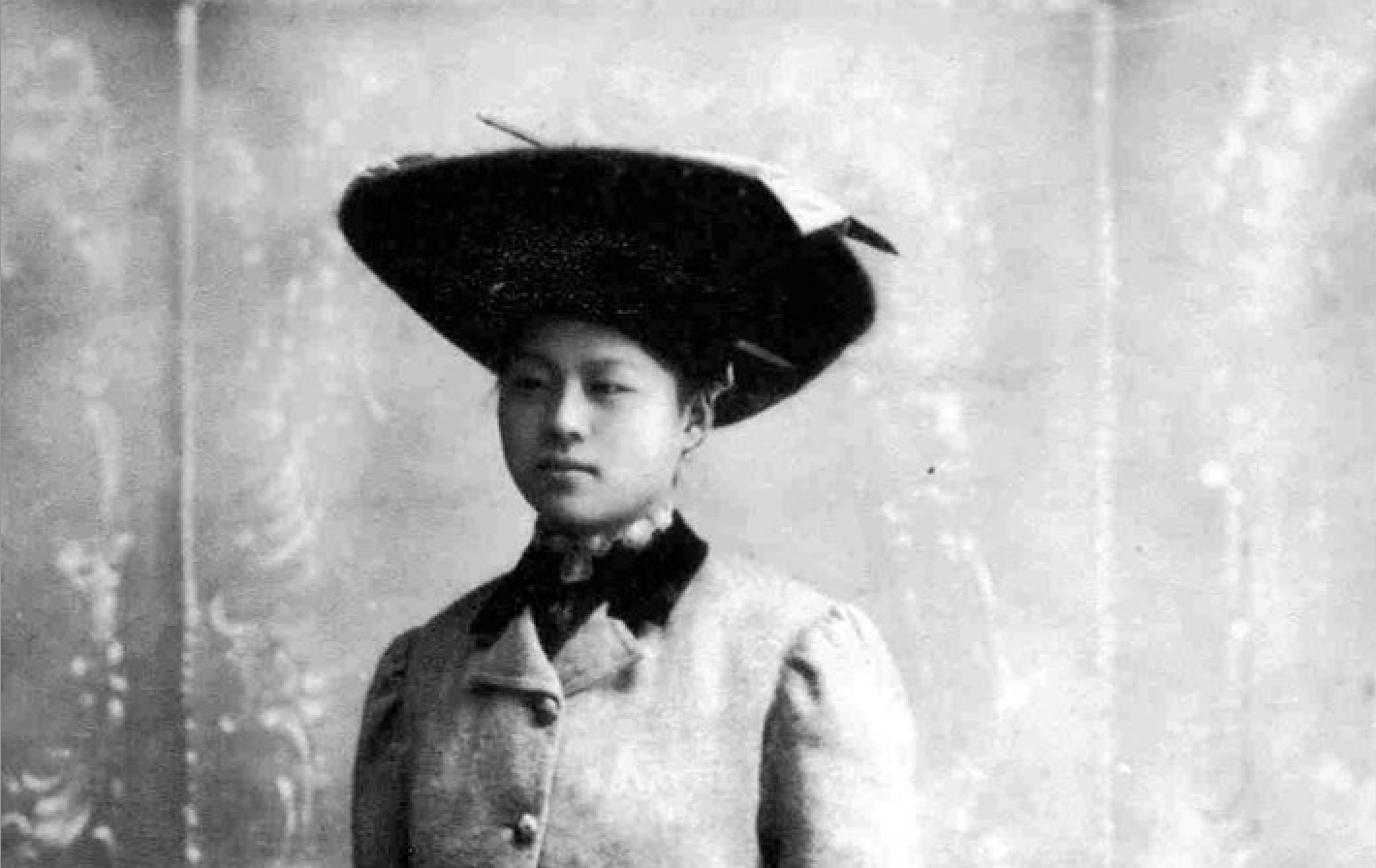
"I first encountered Tien Fuh Wu at the beginning of my tenure at Cameron House, [and] I was immediately struck by her presence. As I learned more about her life, it became clear that Tien was foundational to the legacy of Cameron House, yet her contributions have not been fully publicly recognized."
"Tien Fuh Wu expands our understanding of leadership and service [at Cameron House]. She embodied a leadership model shaped by humility and collective responsibility. When encouraged to assume top leadership, she deferred - not out of inability, but out of a deep commitment to service. In her, we see a pattern familiar across generations of Asian women in leadership roles: disciplined, resilient advocates who focus on the community rather than personal recognition."
Tien Fuh Wu, rescued in 1894 by Presbyterian missionary Donaldina Cameron, became a vital collaborator in Cameron House's mission to liberate enslaved Chinese girls and women. Beginning in her teens, Wu served as translator, aide, travel guardian, and fundraiser, working alongside Cameron to rescue thousands of victims. Despite receiving death threats, Wu remained committed to this dangerous work throughout her life. Her contributions have been historically underrecognized, though Cameron House leadership acknowledges her as foundational to the organization's legacy. Wu exemplified a leadership model centered on humility and collective responsibility rather than personal recognition. Cameron House itself holds significant historical importance, having housed the first major Chinese American newspaper and the original location of Chinatown's Chinese Hospital.
#chinatown-history #chinese-american-women #human-trafficking-rescue #community-leadership #san-francisco-landmarks
Read at Kqed
Unable to calculate read time
Collection
[
|
...
]