Contemporary Christian Music expanded from a subgenre into a major Nashville-centered business, marketing faith-adjacent artists as a safe alternative to mainstream pop. The growth brought commercial success and mainstream visibility, while imposing strict moral standards on musicians. Artists who did not meet expectations faced discrimination, label drops, and removal from bands. Nikki Leonti was dropped after becoming pregnant at 17. Michael Passons was outed as gay and removed from Avalon after refusing conversion therapy. Jennifer Knapp left the CCM world after rejecting conservative values. The film presents these experiences through prominent genre voices, showing how faith, fame, and commerce became inseparable and what that cost artists.
"CCM experienced a major resurgence in the '90s, turning Christian or faith-adjacent artists into bona fide superstars by being marketed as a "safe" alternative to mainstream pop and becoming part of Nashville's expansive music business as a result. However, what fans didn't see were the strict morals these musicians were being held to and the discrimination they faced when they didn't live up to these expectations."
"The documentary tells these stories through the lens of Nikki Leonti, a Christian singer who was dropped from her label after becoming pregnant at 17; Michael Passons, who was outed as gay and ousted from his Christian band Avalon for refusing to undergo conversion therapy; and Jennifer Knapp, a songwriter who left the CCM world after refusing to abide by their conservative values."
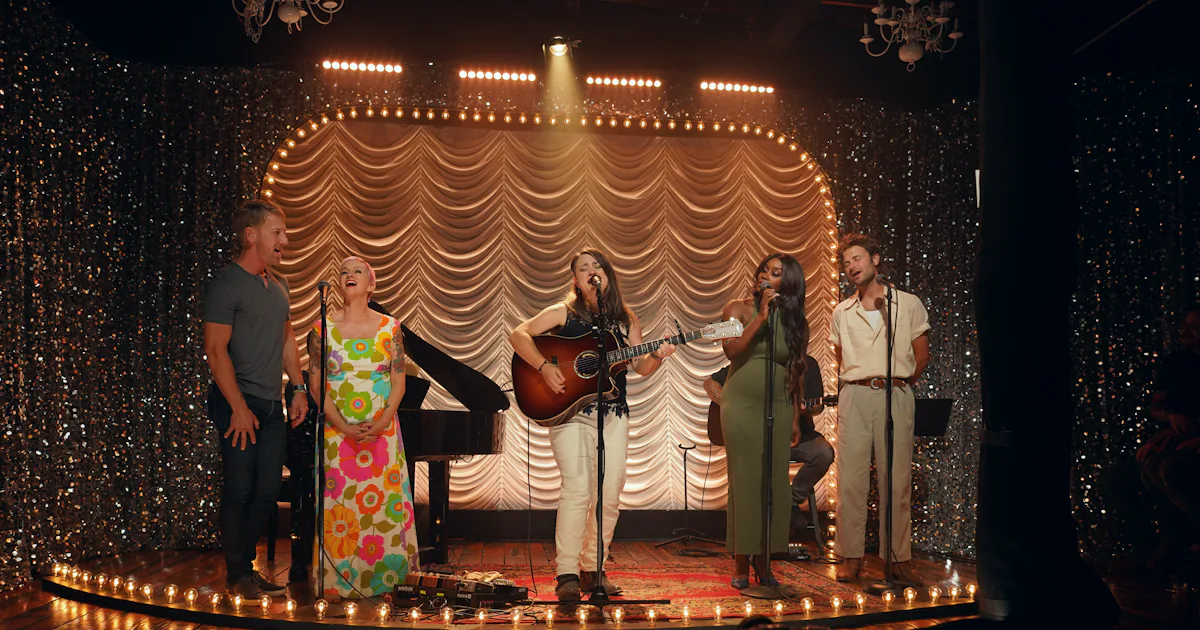
"Safe for the Whole Family also features some of the genre's biggest voices, including Sixpence None the Richer lead singer Leigh Nash, Relient K singer-songwriter Matt Thiessen, Crystal Lewis, Derek Webb, Nate Cole, Chanel Haynes, and Semler, showing how even the industry's brightest stars were affected by being held to these evangelical standards."
""CCM wasn't just a genre - it was an industry built largely out of Nashville," director Jason Ikeler said in a statement. "The film looks at what happens when faith, fame, and commerce become inseparable, and what it costs the people inside that system.""
#contemporary-christian-music #nashville-music-industry #artist-discrimination #faith-and-commerce #lgbtq-issues-in-music
Read at Bustle
Unable to calculate read time
Collection
[
|
...
]