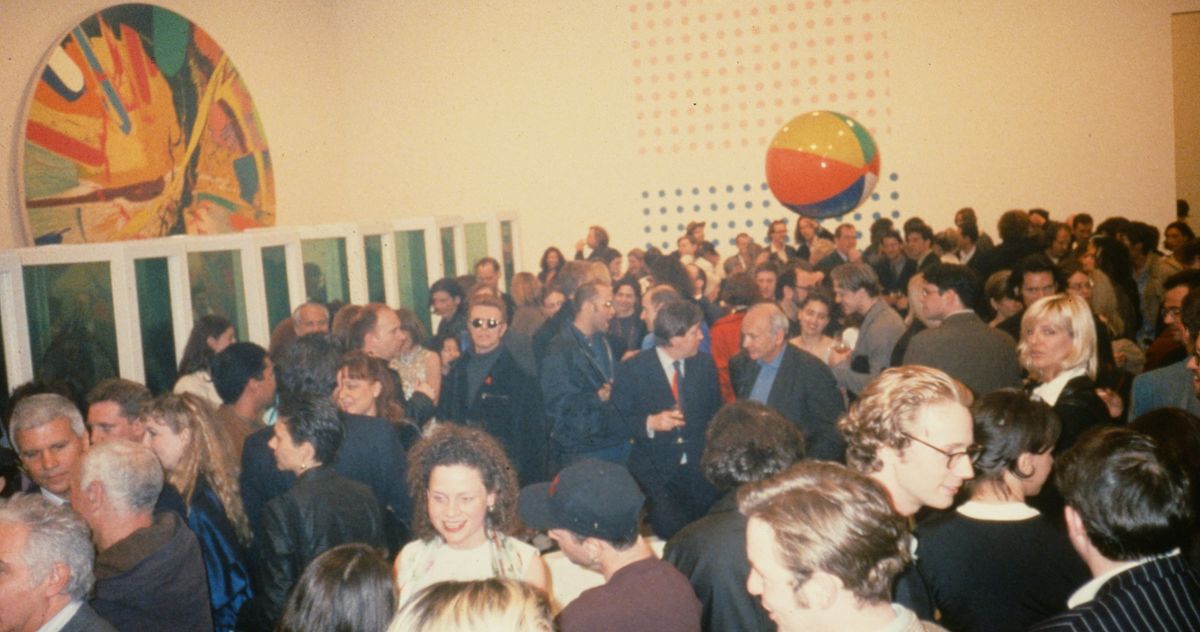
"The previous decade had been enormously lucrative for a select few in the art world, mostly white male artists, but the air was coming out of their careers."
"Suddenly, there was a kind of freedom in New York. Everyone was doing whatever they wanted. If you had a dream, if you had an idea, you could find a place for yourself to fail here."
"I had quit making art, but I was desperate to still be in the mix, so I started calling myself an art critic."
"I remember dogs patrolled the hallway, we were robbed constantly, drug dealers lived downstairs. I was in heaven. It was the greatest period of my life."
The 1980s concluded with Anselm Kiefer's installation of a funeral pyre of his works, symbolizing the end of an era. The art market faced a recession, impacting predominantly white male artists whose works were no longer selling. This shift created a newfound freedom in New York's art scene, allowing emerging artists to explore their ideas. The author, having quit making art, embraced a role as an art critic, finding joy in the chaotic environment of the city during this transformative period.
Read at Vulture
Unable to calculate read time
Collection
[
|
...
]