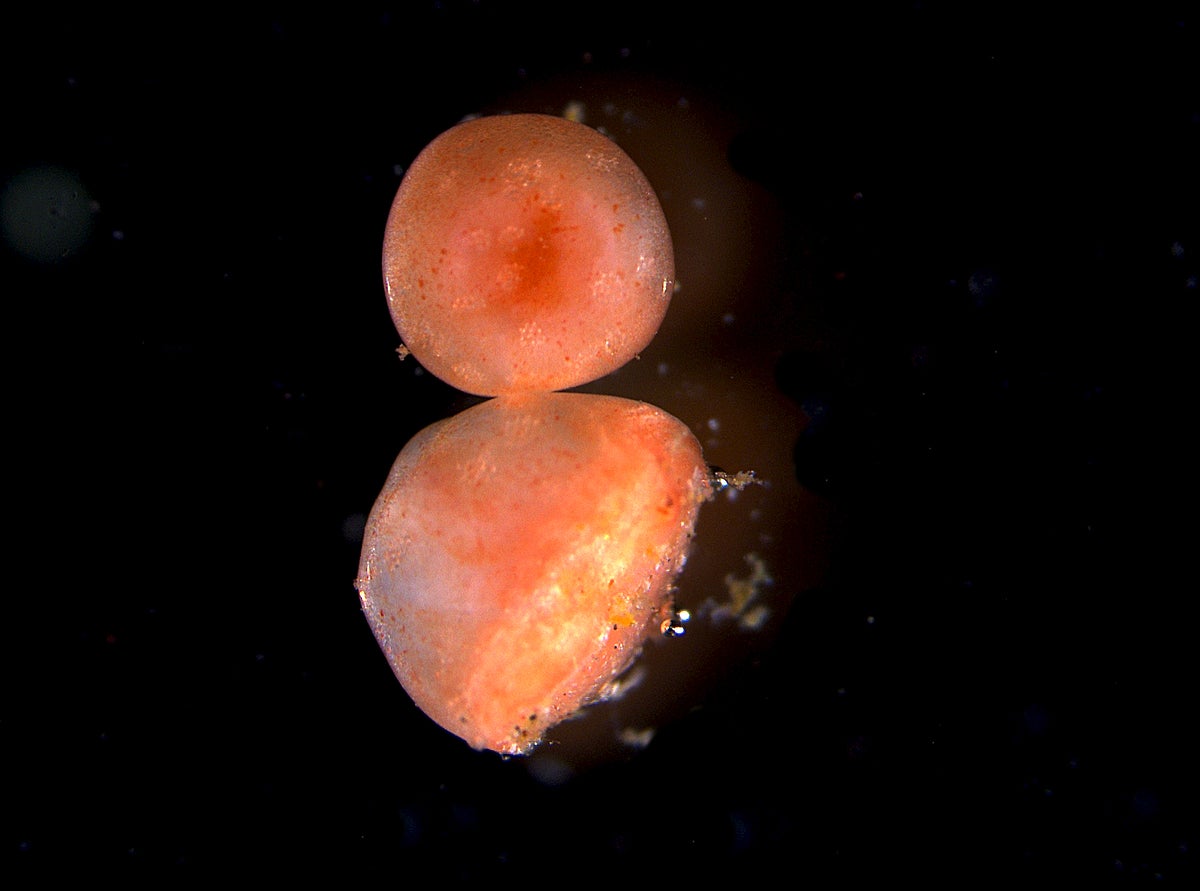
Humans have long sought immortality, but permanent persistence may be grim if it leaves tissue unable to function. A study reports that severed tissue from the sea cucumber Psolus fabricii remains biologically immortal. When chunks of flesh are lost in humans, they die and decay, but amputated pieces of this Atlantic and Arctic species keep living. The tissues repair wounds and continue to grow, though they do not develop into new organisms. Researchers observed the tissues in natural seawater tanks for more than three years and reported their survival as biologically immortal. The mechanism is not fully known, but strong immune and chemical defenses, ongoing cell division, and fuel from dissolved amino acids or self-cannibalized muscle are suggested.
"When humans lose a chunk of flesh, it dies and decays. That isn't so with Psolus fabricii, a sea cucumber that is native to the Atlantic and Arctic Oceans. Its amputated bits just keep living. These lost pieces of tissue even repair their wounds and continue to grow—although not into new organisms. After observing tissues that survived in natural seawater tanks for more than three years, researchers declared them biologically immortal in a paper published today in Science Advances."
"Sea cucumbers are masters of regeneration. But so are many lizards and salamanders, and yet, when detached, their limbs and tail deteriorate just like human tissue would. With the amputated pieces of P. fabricii, Jobson says, it's as if the tail dropped off and healed and wiggled around in the wild on its own. She and her colleagues don't entirely know what enables this feat, but they have a few clues."
"The severed tissues retain a strong immune system and chemical defenses to ward off microbial infection; their cells keep dividing to form new tissue; and, for fuel, they either absorb dissolved amino acids or cannibalize their own muscle. On supporting science journalism If you're enjoying this article, consider supporting our award-winning journalism by subscribing. By purchasing a subscription you are helping to ensure the future of impactful stories about the discoveries and ideas shaping our world today."
Read at www.scientificamerican.com
Unable to calculate read time
Collection
[
|
...
]