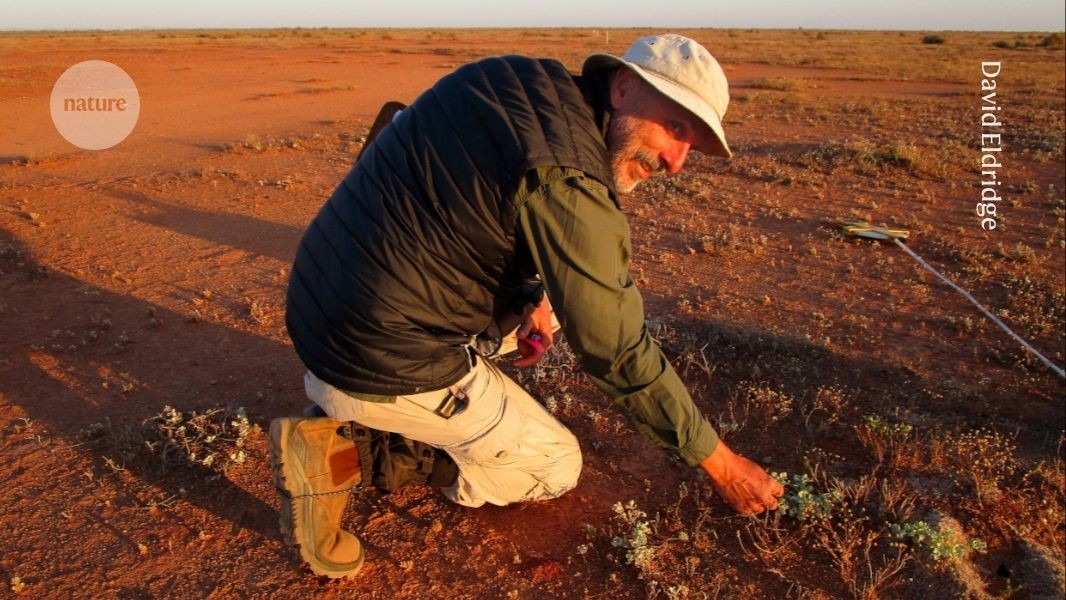
""I didn't realize early on how managing a collection of biological specimens means that the samples I collect or identify could lead to work for someone else years down the track.""
""I'm not obligated to produce research from these data. My responsibility is to make them available so others can use them in their research.""
""Even though I'm listed as a co-author on 27 papers, it blew me away to learn that at least 93 other studies were built on the thousands of specimens I collected and identified.""
""Sharing specimen data and metadata is the core of my mission.""
Frank Hemmings has spent over 27 years conducting vegetation surveys in southeastern Australia, collecting thousands of plant specimens. As a curator at the John T. Waterhouse Herbarium, he meticulously dries, identifies, and catalogs each specimen. His work supports various scientific fields, with 3,782 specimens collected and over 10,500 identified. Hemmings emphasizes the importance of sharing specimen data for future research, noting that many studies have relied on his collections, even though he does not independently publish research papers.
Read at Nature
Unable to calculate read time
Collection
[
|
...
]