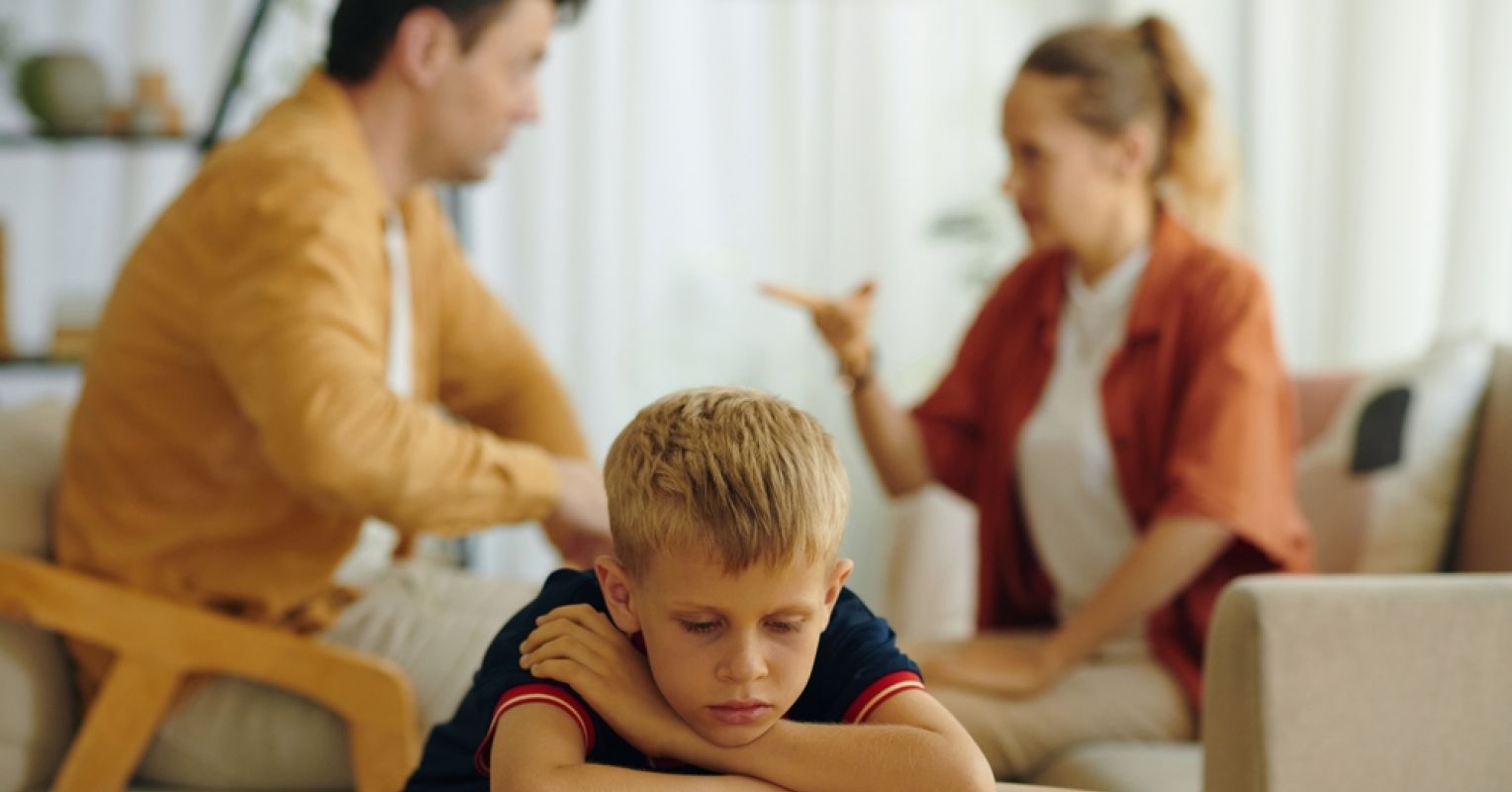
"How would you feel if I told you that the post-divorce relationship between you and your co-parent matters significantly more than how you decide to talk to them about the relationship ending? Most parents worry about saying the wrong thing when explaining divorce to their children. They're torn between protecting their child and being honest-between minimizing pain and respecting their child's intelligence."
"Stress, confusion, and maybe even anger are expected (and completely normal) reactions from children. From the child's perspective, the family unit they have come to know is changing, and the emotions related to that change may not diminish for a while (Kelly, 2009; Lee and Bax, 2000). Divorce can also prompt children to feel the need to manage the emotions of the non-custodial parent, which can further impact attachment and communication styles within the family system (Yarosh, 2009)."
Deciding to separate from a spouse and telling children are among the hardest parental decisions. The quality of the post-divorce co-parenting relationship influences children's adjustment more than the specific phrasing used when explaining the separation. Children commonly show stress, confusion, and anger as they process the change. Children may attempt to manage a non-custodial parent's emotions, affecting attachment and communication patterns. Responses vary by age and development, but core needs include emotional safety, predictability, and reassurance that they are not responsible. What children remember most is parents' emotional presence before and after the conversation, not precise words.
Read at Psychology Today
Unable to calculate read time
Collection
[
|
...
]