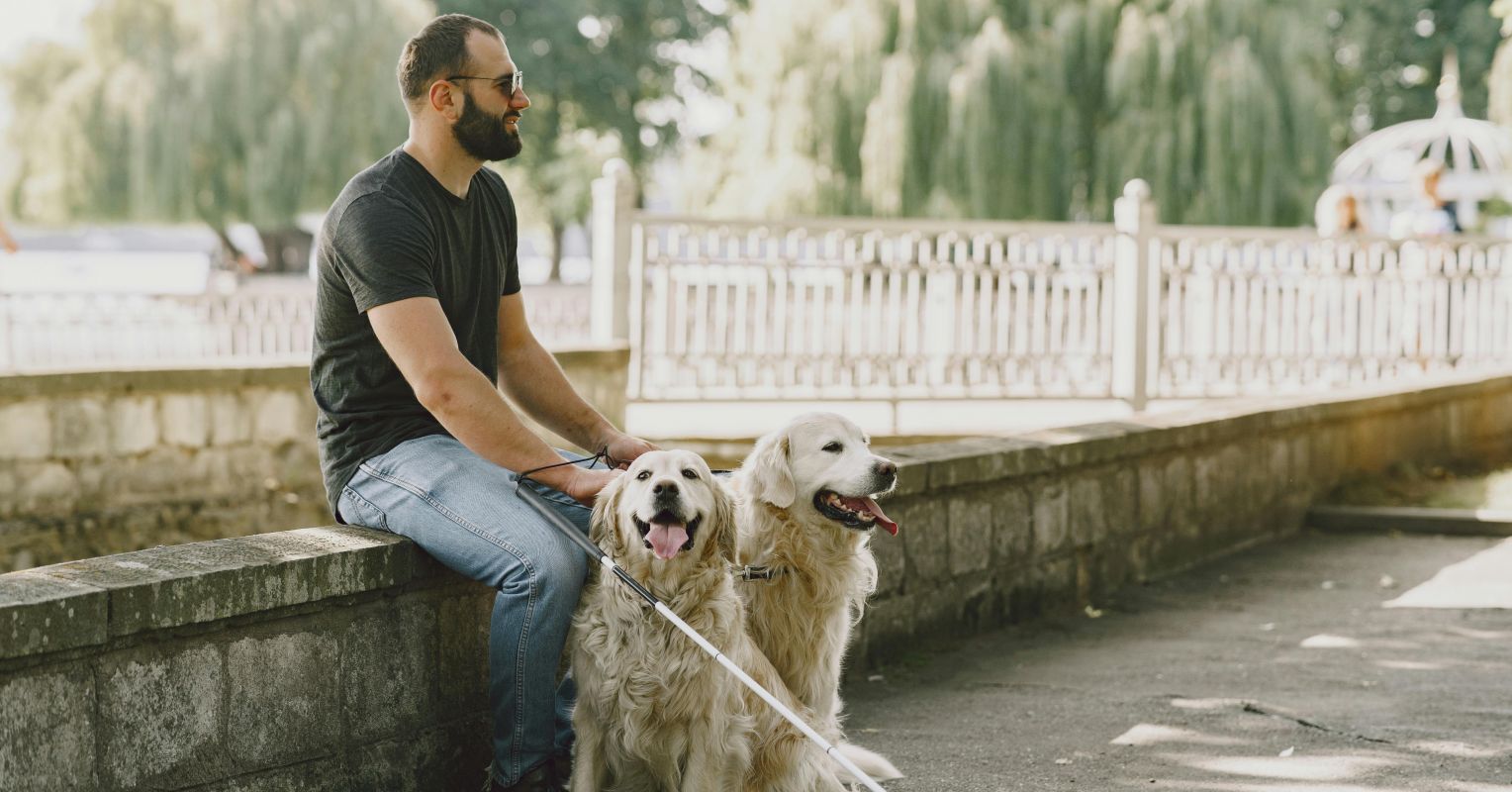
"Many people rely on assistance dogs for support, and the well-being of all participants in these interactions is essential and given careful attention. To be sure that the dogs' and their humans' physical and emotional well-being receive the attention they require can take time and patience and isn't always easy to achieve. AnthrozoologistTiamat Warda's recent book, Interspecies Emotional Labour Unspoken Expectations of Professionalism in Guide Dog Work, explores this topic through the work of guide dogs and their instructors."
"Humans and animals work together in increasingly complex ways. In many cases, animals provide a service for humans-often with a human. Other times, such as with veterinarians, humans provide a service for animals. In both cases, there are expectations around what counts as professional behavior for humans and animals: a guide dog is expected to be calm and confident, while a veterinarian must treat patients with a caring demeanour."
Guide dog partnerships involve enmeshed dynamics and considerable emotional labour, requiring management of emotions to present professionalism across species. Ensuring the physical and emotional well-being of both dogs and handlers demands time, patience, and deliberate practices. Around 20,000 people depend on guide dogs globally, creating a need for sustainable approaches that support all participants. Expectations of professional behaviour shape how animals and humans perform in working roles, such as guide dogs needing calm confidence and veterinarians displaying caring demeanour. Improving practices can enhance dignity, compassion, and workplace well-being for assistance animals and human co-workers.
Read at Psychology Today
Unable to calculate read time
Collection
[
|
...
]