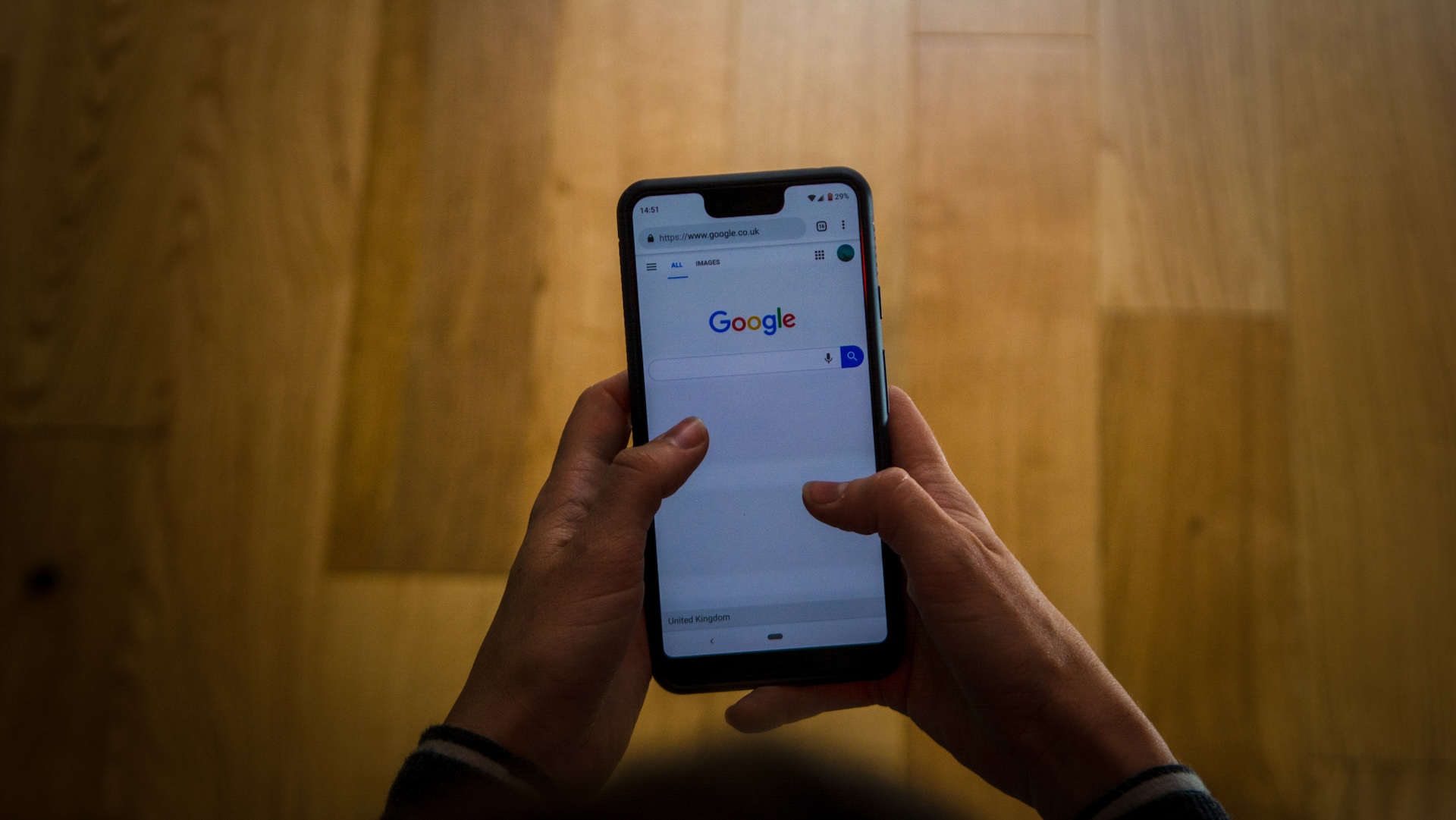
"Voice-activated assistants are designed to respond only when prompted, but a newly settled lawsuit suggests that, for years, some users' private conversations may have been recorded anyway. According to Reuters, Google has agreed to pay $68 million to resolve claims that its Google Assistant feature captured audio without consent and used it to support targeted advertising. On January 26, Reuters reported that Google reached a preliminary $68 million settlement in a class-action lawsuit filed in federal court in San Jose, California."
"Smartphone users alleged that Google Assistant was unintentionally triggered through "false accepts," meaning the software misinterpreted background speech as activation phrases such as "Hey Google" or "OK Google." As a result, users said private conversations were recorded without their knowledge and then disseminated internally to help refine advertising systems. The settlement applies to people who purchased Google devices or experienced these false activations dating back to May 18, 2016."
"Google denied wrongdoing but agreed to settle to avoid the cost and uncertainty of prolonged litigation, according to court filings. The agreement still requires approval from a federal judge. Attorneys for the plaintiffs may seek up to one-third of the settlement - roughly $22.7 million - in legal fees. The case mirrors a broader industry pattern. In December 2024, Apple reached a $95 million settlement over similar claims involving its Siri voice assistant."
Google reached a preliminary $68 million settlement over claims that Google Assistant captured audio without user consent and that recordings were used to support targeted advertising. Users alleged the assistant experienced "false accepts" that misinterpreted background speech as activation phrases, producing unintended recordings. The settlement covers purchases or false activations dating back to May 18, 2016 and requires federal judge approval. Google denied wrongdoing but settled to avoid prolonged litigation; plaintiffs' attorneys may seek roughly $22.7 million in legal fees. The case highlights industry concerns about always-on microphones and the risk of unintended surveillance by convenience-focused devices.
Read at The Cool Down
Unable to calculate read time
Collection
[
|
...
]