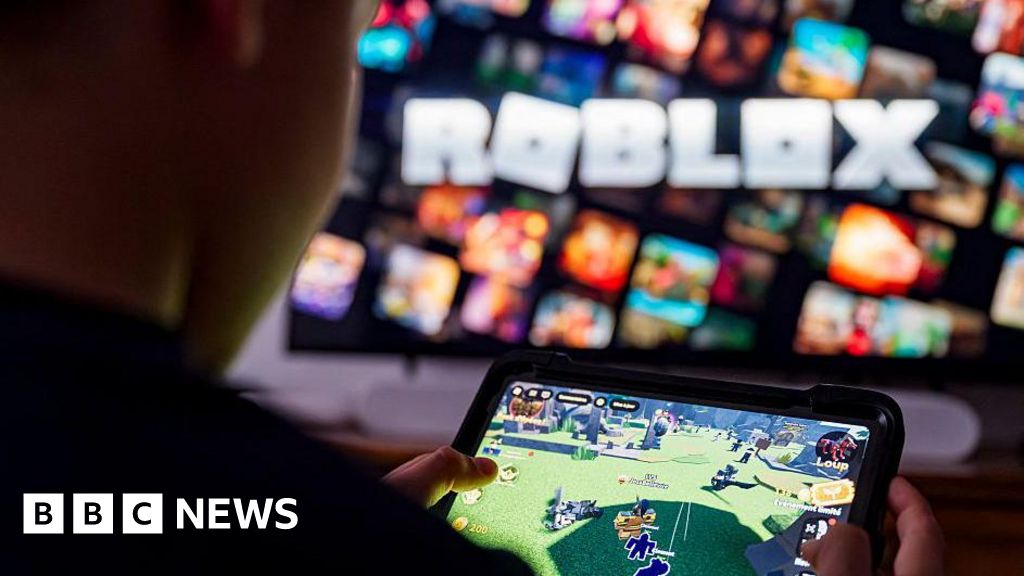
Campaigners filed a complaint with US regulators alleging Roblox uses unfair and deceptive practices affecting children. Concerns include in-game purchases, chat features, and engagement-maximising design intended to keep children playing. Roblox rejected the claims, stating it is built for fun and connection rather than short-term engagement. The company said it has clear policies banning actual and simulated gambling and rules governing paid random items, and that most games are free to play. It also said users are not required to buy Robux, noting that only 1.4% of 132 million daily active users were payers in the first quarter of 2026. The complaint focused on the Robux economy, arguing children cannot easily understand costs and that tracking real-world spending is nearly impossible. It cited a case where a 10-year-old spent more than $7,000 in two months despite purchase limits, and alleged daily reward streaks and social comparison features encourage continued use.
"Campaigners have asked the Federal Trade Commission (FTC) to investigate the hugely popular gaming platform for alleged "unfair and deceptive" practices. The filing raised concerns about in-game purchases, chat features and what it described as "engagement-maximising" design. Roblox rejected the claims, saying the platform was "built for fun and connection, not short-term engagement". A spokesperson said it had "clear policies" banning actual and simulated gambling, as well as rules governing paid random items."
"The complaint submitted by child safety organisations Fairplay and the National Centre on Sexual Exploitation on Wednesday centred on Roblox's in-game economy. Its virtual currency Robux can be purchased and then used to buy game passes or upgrades for avatars, such as outfits. The groups argued the system was too complex and difficult for children to understand. According to the filing, it was "nearly impossible" to track the real-world cost of virtual items."
"In one example included in the complaint, a parent said their 10-year-old daughter spent more than $7,000 (5,200) in two months despite attempts to limit purchases. The filing also alleged "engagement-maximising" design features were used to keep children on Roblox. These included incentives such as daily reward streaks and systems which encourage social comparison by displaying other players' virtual possessions, it said."
"Roblox rejected the claims, saying the platform was "built for fun and connection, not short-term engagement". A spokesperson said it had "clear policies" banning actual and simulated gambling, as well as rules governing paid random items. They said most games were free to play and users are not required to buy the in-game currency Robux. "In the first quarter of 2026, only 1.4% of our 132 million daily active users were payers on the platform," they added."
Read at www.bbc.com
Unable to calculate read time
Collection
[
|
...
]