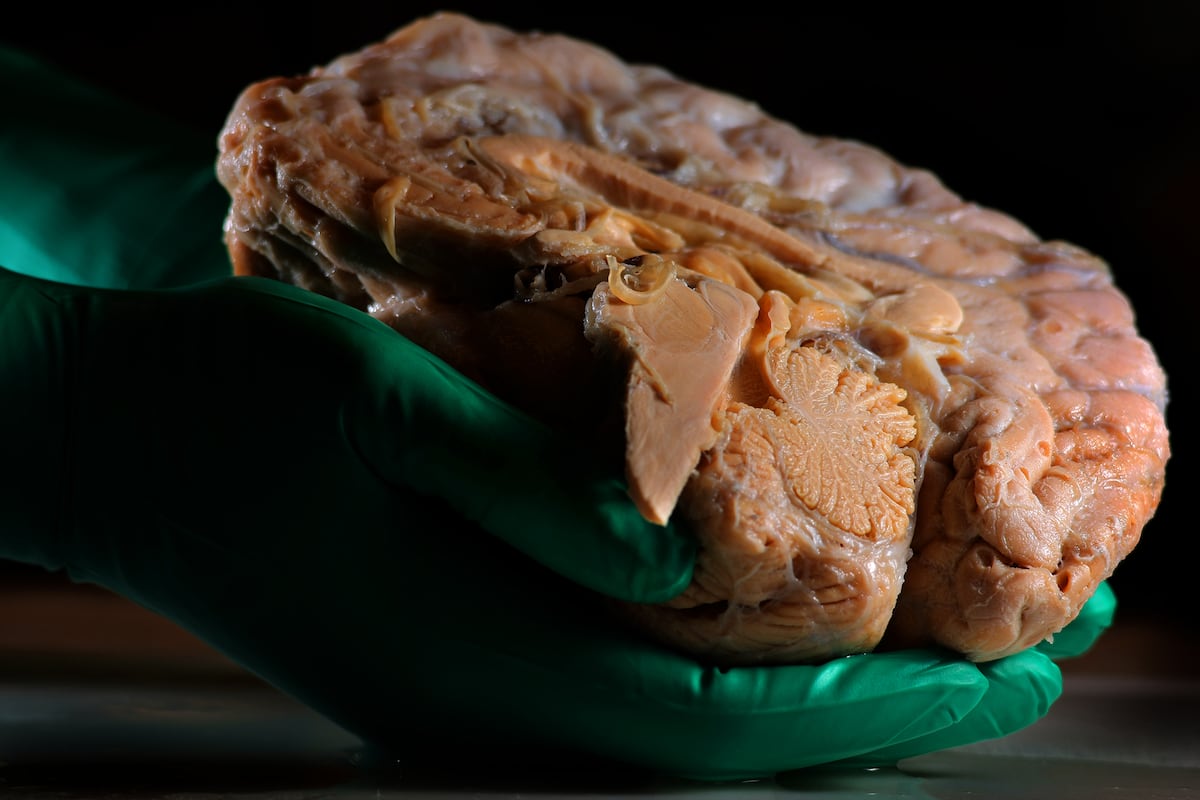
People frequently replace necessary tasks with distracting, low-effort activities and postpone work despite knowing future consequences. Motivation was often attributed to insufficient valuation of rewards. Detailed brain measurements during procrastination contradict that incentive-only view. Monkeys served as models because their motivational systems resemble humans. Thirst-motivated animals performed lever-press tasks for varying water amounts and chose between a small, comfortable sip or a larger sip paired with an unpleasant air puff. The animals evaluated reward–cost trade-offs. A specific circuit between the ventral striatum and ventral pallidum was identified that functions as a brake on initiating actions rather than as a reward evaluator.
"Why do we put off until tomorrow what we should do today and will have to do anyway? For a long time, motivation has been explained as an incentive problem: if a person doesn't act, it's because they don't value the reward enough. However, a detailed study of what happens in the brain when we procrastinate seems to contradict that idea."
"To understand how the brain functions when faced with a task that can offer benefits but also involves discomfort, researchers worked with monkeys, a useful model because their motivational system resembles that of humans. The animals, which were kept thirsty outside the experiment, were subjected to two tests. In one, they could press two levers and receive two different amounts of water, allowing the researchers to measure the involvement of each circuit in motivation."
Read at english.elpais.com
Unable to calculate read time
Collection
[
|
...
]