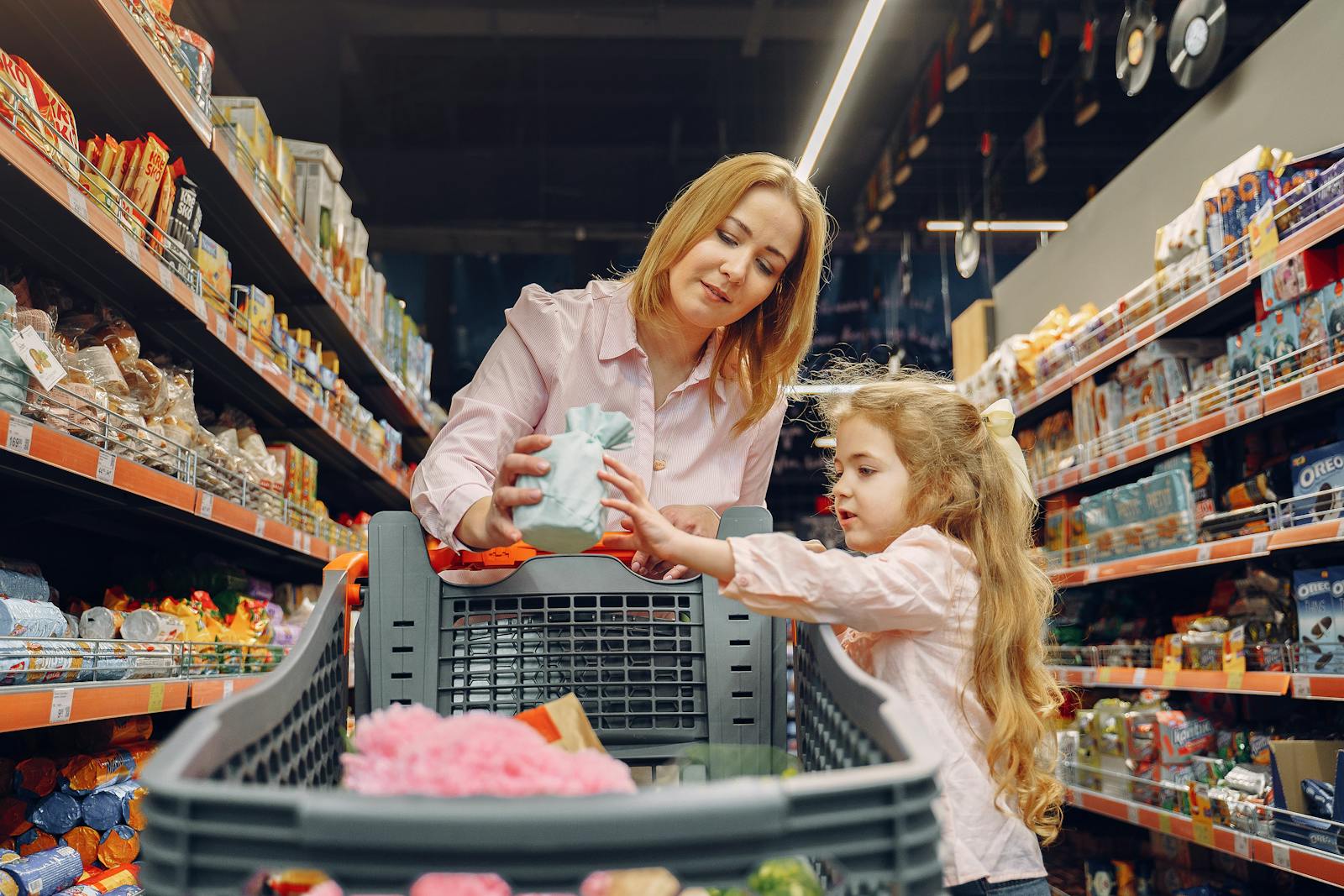
"Children are spectacularly good at reading the emotional weather of a household. When money is tight (but not absent), the signals are subtle: a parent's jaw tightening at the checkout, a muttered comment about the electricity bill, the way certain requests are deflected rather than denied outright."
"Lower middle class households occupy a specific psychological territory. There's enough to get by, but not enough to stop counting. The danger isn't destitution. The danger is the slow slide. And children absorb the logic of that precariousness even when no one explains it to them."
"Research suggests that childhood economic experiences create persistent patterns in how people evaluate risk and allocate resources. What's striking is that these aren't conscious strategies. They're automatic. The brain builds them quietly, the way it builds a fear response to a particular tone of voice."
Growing up in lower middle-class households creates persistent psychological patterns where children develop automatic price-tracking behaviors as a survival response. These patterns emerge from subtle emotional signals—a parent's tension at checkout, comments about bills—that children absorb without explicit instruction. The brain encodes these financial monitoring systems during formative years, treating price awareness as essential survival knowledge. Research confirms childhood economic experiences create lasting patterns in risk evaluation and resource allocation that operate automatically, beneath conscious awareness. These ingrained behaviors persist into adulthood even when financial circumstances improve, functioning as an invisible background surveillance system that continues monitoring costs without deliberate effort or choice.
#childhood-economic-trauma #financial-psychology #price-awareness #lower-middle-class #automatic-behavior-patterns
Read at Silicon Canals
Unable to calculate read time
Collection
[
|
...
]