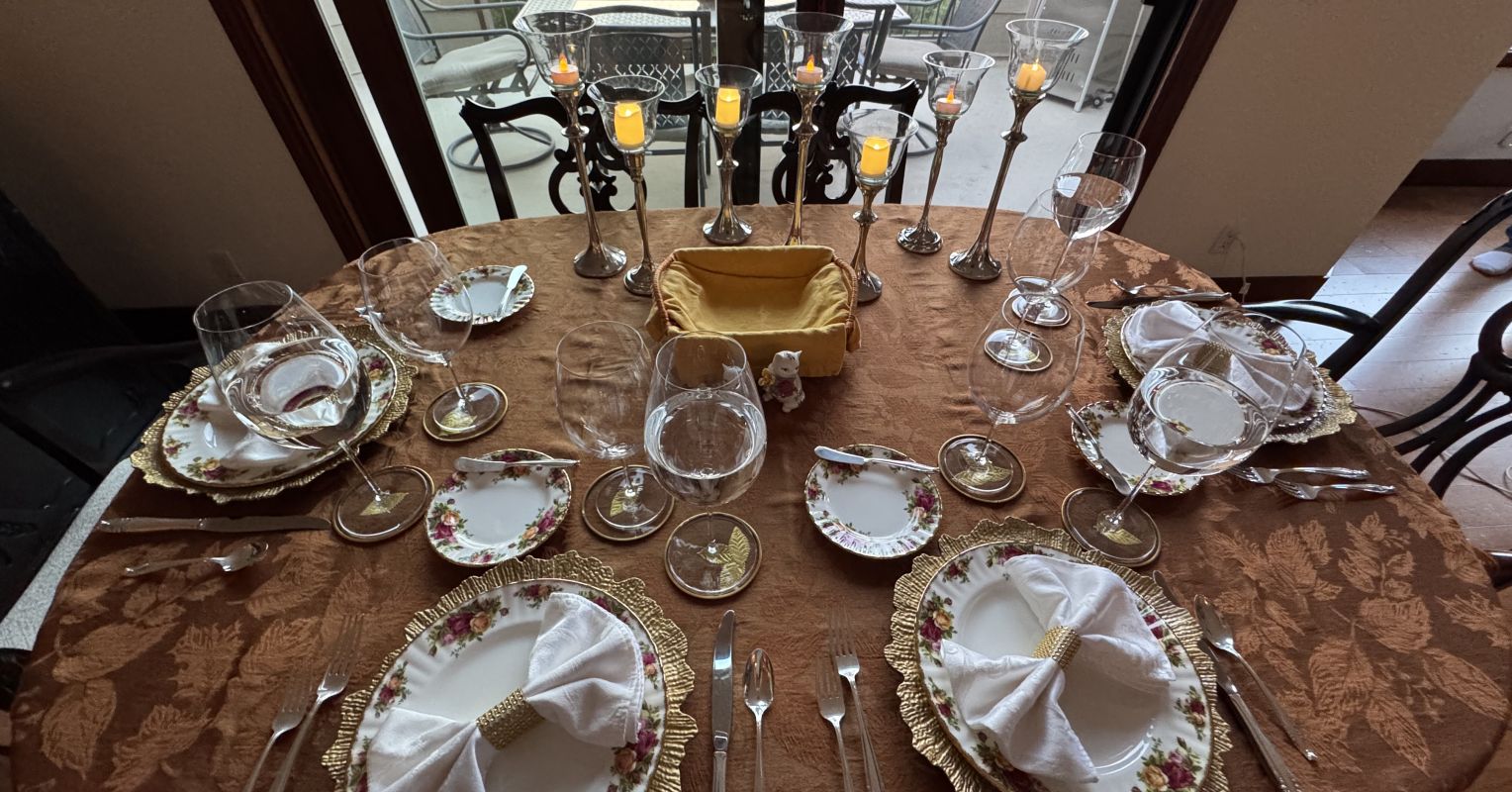
"Holidays often bring together people we rarely see-along with old dynamics we sometimes wish we could leave behind. Many people say they have a "narcissistic" family member they feel uneasy about encountering this time of year. And since narcissistic traits show up on a continuum from not at all to intense, that could be true. Before exploring holiday strategies, it helps to understand some of the different styles-if using the table analogy, flavors-of narcissism that clinicians and researchers describe."
"Grandiose narcissism is the version most familiar to the public. It includes an inflated self-image, entitlement, low empathy, boldness, and attention seeking. A family member with these traits might sometimes dominate conversations or grow irritated when admiration isn't plentifully supplied. Interacting with a person with grandiose narcissism can, at times, feel like you're responsible for keeping the mood upbeat—as if you're their audience."
"The vulnerable or "covert" style can be harder to identify. These individuals tend to be hypersensitive to criticism, insecure, quietly self-important, and often convinced they've been misunderstood or victimized. They can pull at your heartstrings. People with vulnerable narcissism seem to struggle to hold onto internal stability, and reassurance rarely settles anything. Still, as a way to keep things calm, you might find yourself validating stories you don't fully buy into."
Holidays often reunite relatives and revive entrenched family dynamics that can feel uncomfortable. Narcissistic traits occur along a continuum and present in distinct styles that influence interaction patterns. Grandiose narcissism features inflated self-image, entitlement, low empathy, boldness, and attention seeking, often producing dominating, attention-demanding behavior. Vulnerable or covert narcissism features hypersensitivity, insecurity, quiet self-importance, and a sense of victimhood, often eliciting reassurance yet remaining emotionally unstable. Using a flavors-or-dishes analogy clarifies how different presentations can taste very different and highlights the usefulness of recognizing styles to anticipate behavior and protect personal boundaries.
Read at Psychology Today
Unable to calculate read time
Collection
[
|
...
]