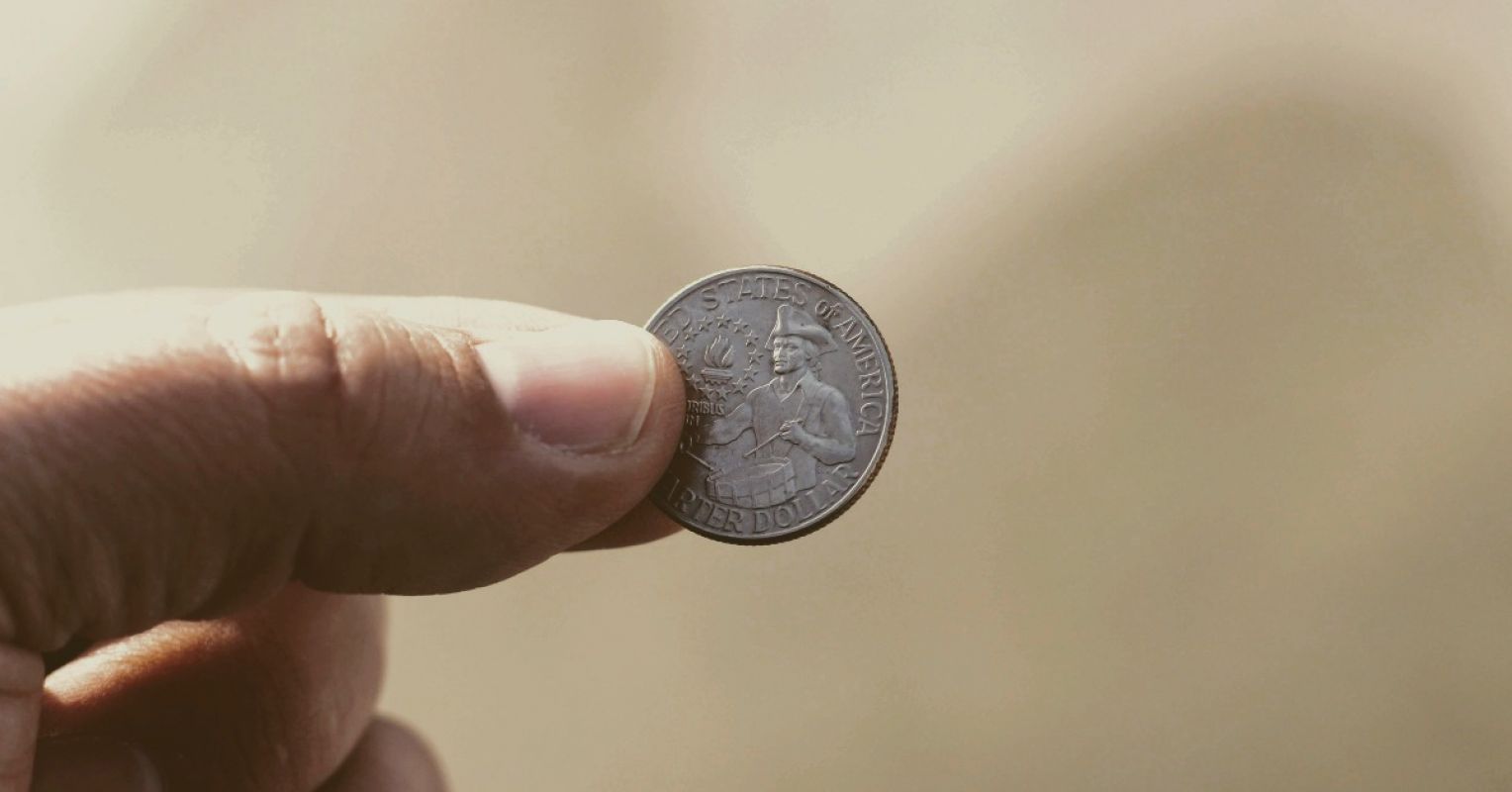
"And yet, losing the toss can still leave you with an inexplicable sting of injustice. Your brain insists that it just wasn't fair, even though you know, statistically, it couldn't have been any more impartial. This contradiction between what we know and what we feel is what psychologists call the "illusion of unfairness." It's the human tendency to feel personally wronged by chance."
"The idea of the 2025 study came after, funnily enough, a petty moment of office politics. Two graduate students needed to allocate workspaces, and both of them had their eye on the same private office. To keep things fair, they agreed that a coin flip would decide. One student flipped a virtual coin three times, called heads, and won. The other student - Rémy A. Furrer, the lead author of the study - saw the email chain after the fact and felt something odd."
Coin flips produce objectively equal odds because each side has equal weight, creating a 50-50 chance. People often experience a subjective feeling of unfairness after losing such random outcomes, a psychological phenomenon called the "illusion of unfairness." This illusion arises when emotional reactions conflict with knowledge of statistical impartiality. Small everyday situations, like dividing office resources by a coin toss, can trigger that feeling despite identical probabilities. The illusion reveals how humans interpret control, fairness, and fate. Emotional responses to randomness can influence perceptions of justice and shape behavior when chance governs outcomes.
Read at Psychology Today
Unable to calculate read time
Collection
[
|
...
]