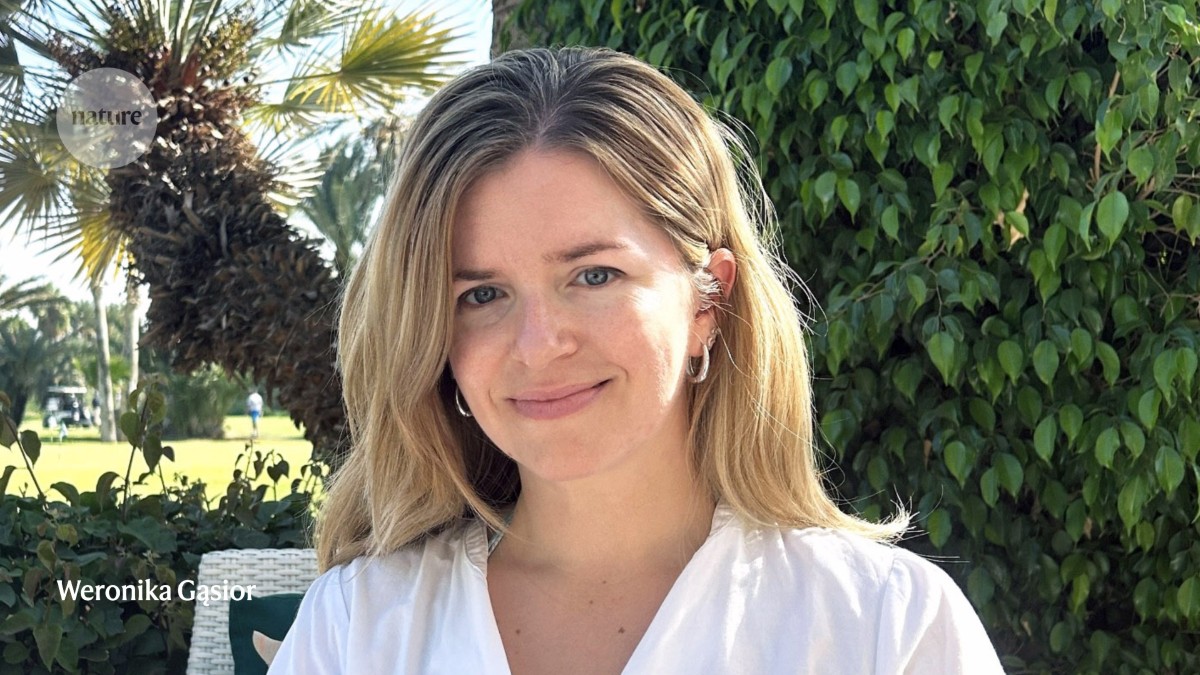
"Urban nature does promote health, but I wasn't happy with just greening everything. Only some characteristics of green spaces benefit people, so I wanted to discover what particular scenes induce the most positive response in most people. What combination of features works best? We're trying to diagnose spaces and work out how to redesign them to better serve communities."
"One way is based on the content of landscapes. I developed a contemplative landscape model' (CLM) that breaks down landscape views into seven features that our brains register and react to. One is how deep the view is deeper views are beneficial, but often lacking in cities. Another is how the ground and sky interact a more diverse skyline is better. Other beneficial elements include streams or waterfalls, seasonality of"
Neurourbanism combines landscape architecture, neuroscience, environmental psychology and urban planning to make cities more mentally healthy. Urban residence is linked to about a 40% higher risk of mental illness compared with non-urban settings, and urban populations are growing. The field seeks objective, systematic measures of how the built environment affects mental health rather than relying only on questionnaires. Not all green spaces are equally beneficial; specific landscape characteristics matter. A contemplative landscape model (CLM) identifies seven landscape features that brains register, such as view depth, ground–sky interaction, streams and seasonality, to guide diagnosis and redesign of urban spaces.
Read at www.nature.com
Unable to calculate read time
Collection
[
|
...
]