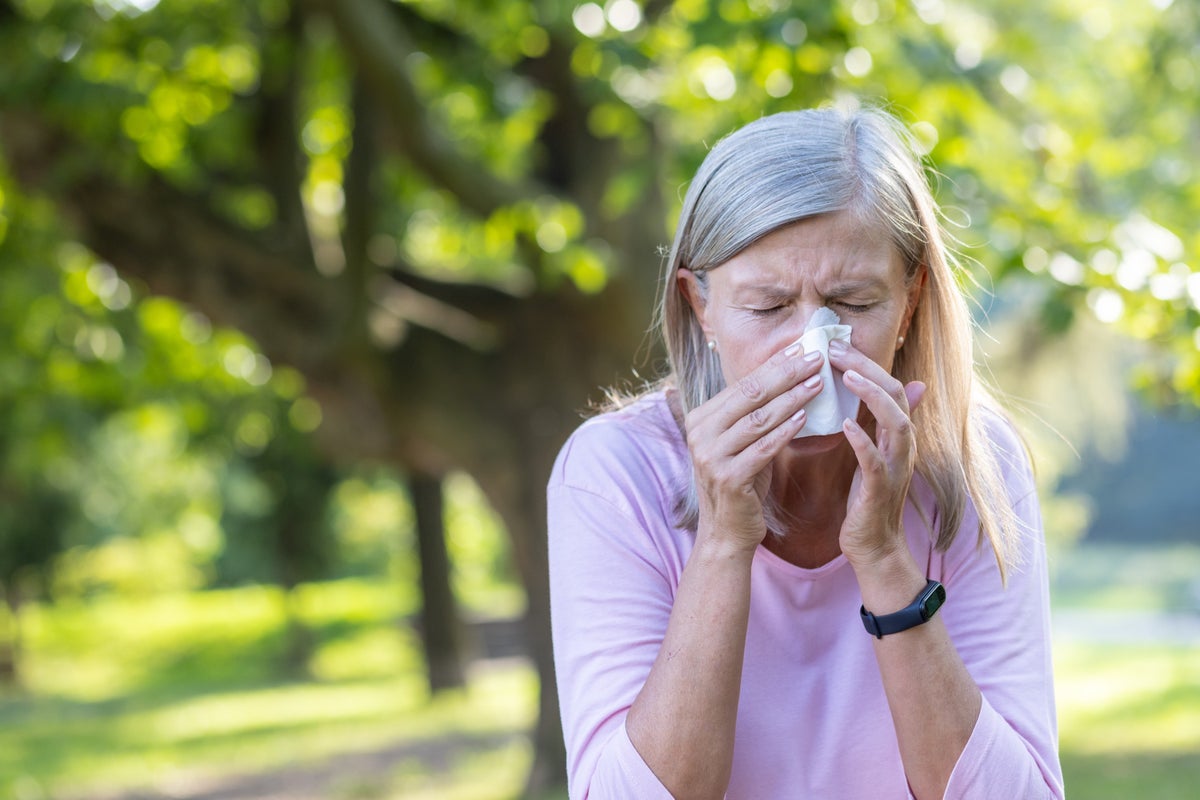
"Young adults today have more allergies compared to the same age group 20 years ago, driven by a mixed bag of issues, according to allergist Ravi Viswanathan."
"Seasonal allergies occur when the immune system mistakenly identifies harmless substances like pollen as threats, leading to symptoms that can disrupt daily life."
"As immune systems weaken with age, the body produces less immunoglobulin E (IgE), which explains why seniors tend to experience fewer seasonal allergies."
"Many older individuals suffer from symptoms resembling pollen allergies, but they are often affected by nonallergic rhinitis caused by irritants like cigarette smoke and perfumes."
Approximately 80 million Americans will experience seasonal allergies this spring, with younger individuals and working-age adults most affected. Research indicates that younger adults have higher allergy rates compared to two decades ago. Aging leads to diminished immune responses, resulting in milder allergy reactions among seniors. However, the increase in allergies among younger populations is attributed to a combination of factors. Older adults often experience symptoms similar to allergies but are usually affected by nonallergic irritants, such as smoke and perfumes, rather than pollen.
Read at www.scientificamerican.com
Unable to calculate read time
Collection
[
|
...
]