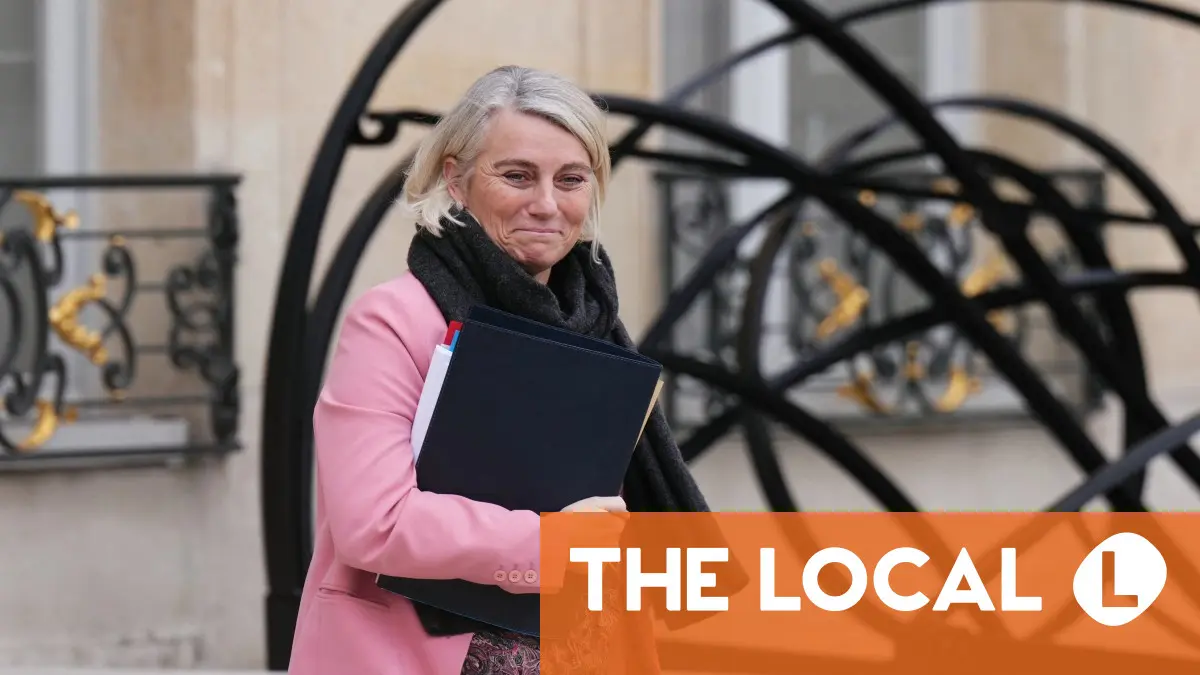
""When false information circulates faster than science, it is the most vulnerable who pay the highest price." "And in the face of this, the State can neither remain silent nor be content to be simply reactive. That is why, today, we are changing our approach. The minister, who is a qualified doctor and worked as a rheumatologist before entering politics, added: "The phenomenon, far from being marginal, is rooted in our daily digital lives and calls for a systemic, cross-disciplinary and determined response.""
"Monday saw the publication of a report on the subject prepared by three scientists, who concluded that medical misinformation was a grave public health issue, and is largely driven by "influencers, campaign groups and rogue scientists", motivated by "economic, ideological or identity-based" factors. The government has created the Observatoire de la désinformation en santé (Health misinformation observatory), whose role will be to monitor online misinformation, publish barometers to aid understanding of health issues and lead working groups."
French health authorities launched a campaign to combat false or misleading medical information online, identifying vaccinations, cancer treatments, diet, mental health and women’s health as particularly targeted areas. The campaign states that false information circulating faster than science harms the most vulnerable and requires a systemic, cross-disciplinary response rather than mere reactivity. A report by three scientists labeled medical misinformation a grave public health issue driven largely by influencers, campaign groups and rogue scientists motivated by economic, ideological or identity-based factors. The government created the Observatoire de la désinformation en santé to monitor misinformation, publish barometers, lead working groups, build expert networks, and rejected a proposed Health Info-Score label while announcing a citizen consultation.
Read at The Local France
Unable to calculate read time
Collection
[
|
...
]