"One might ask why an epidemiologist like me would be interested in Latin American history at this moment. What drew me to that era was the key role that clinicians and public health workers played in the resistance against the dictatorship; their simultaneous push for a national healthcare program; and the ways in which this sector organized, even as more conservative physicians sided with the putschists, happy to see their more progressive colleagues jailed and persecuted."
"I'm not making one-to-one comparisons between our current predicament and what happened in Brazil years ago. But the insights of that time ring true generations later. Brazil's medical rebels thought healthcare was a human right. They wanted it to benefit the public good, not private greed. And they saw themselves as equal to workers rather than as their social betters."
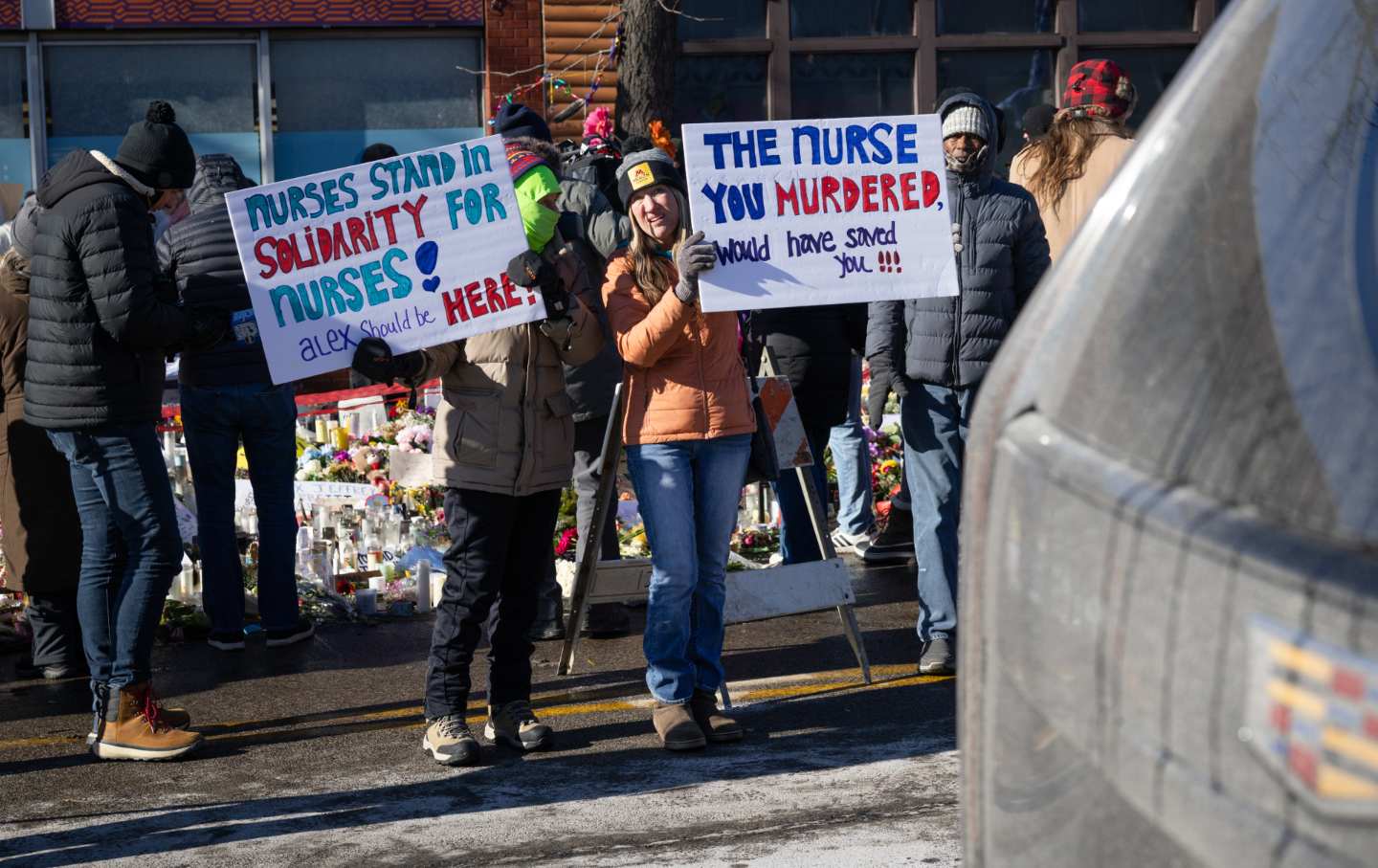
Brazil's 1964 military coup toppled a democratically elected government and imposed over two decades of dictatorship. Clinicians and public-health workers played a central role in resisting the dictatorship, pushing for a national healthcare program and organizing collectively. More conservative physicians sided with the putschists and welcomed persecution of progressive colleagues. Medical rebels advocated that healthcare is a human right, oriented toward the public good rather than private greed, and aligned themselves with workers rather than social betters. Authoritarianism often allies with the rich and privileged. In 2026 U.S. events, the killing of ICU nurse Alex Pretti struck health communities, prompting union response and widespread grief among clinicians and researchers. Some clinicians remain appalled, while others align with conservative or privileged interests.
Read at The Nation
Unable to calculate read time
Collection
[
|
...
]