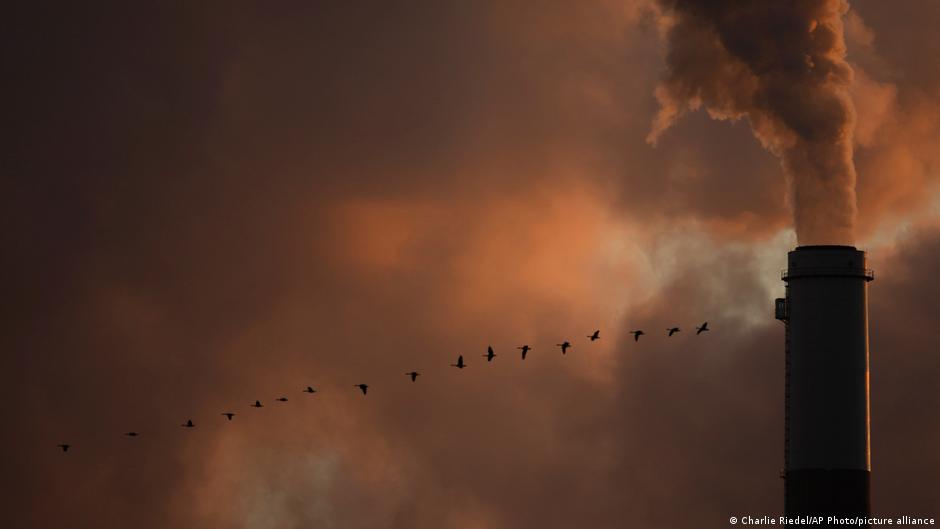
Mercury is a potent neurotoxin that can cause lifelong damage to the lungs, brain, skin, and other organs. Children are particularly vulnerable to severe developmental impairment from mercury exposure. Mercury occurs naturally in rocks, coal, and crude oil and is released when fossil fuels are burned. Once emitted, mercury can remain in the atmosphere for more than six months, bioaccumulate in water, plants, and animals, and enter the food chain where tiny amounts can seriously harm human health. Coal-fired power plants are a major source of mercury pollution in the United States and disproportionately affect nearby marginalized and economically disadvantaged communities. In April 2025, nearly 70 coal plants received two-year waivers allowing exceedance of air pollution limits, including mercury, with the administration citing harms from Biden-era standards.
"A potent neurotoxin capable of causing lifelong damage to the lungs, brain, skin and other organs, mercury is strictly regulated worldwide. Children, in particular, can suffer severe developmental impairment when exposed. A trace element that occurs naturally in rocks such as limestone, as well as in coal and crude oil, mercury remains locked underground for millions of years, largely entering the ecological cycle through human activity."
"It is released when fossil fuels are burned. Mercury is known to impact human health, with young children at particular risk Image: Mario Tama/Getty Images Coal-fired power plants contribute substantially to environmental mercury pollution. The nonprofit Natural Resources Defense Council (NRDC), cites them as the leading source of mercury contamination in the United States. The problem with coal is that although it contains only small amounts of mercury, it is burned in very large quantities."
"Once it is released into the atmosphere, it can remain there for more than six months, accumulating in water, plants and animals, ultimately entering the foodchain where even tiny amounts can seriously harm human health. Regulations could save billions In April 2025, the US administration granted nearly 70 coal plants two-year waivers to exceed air pollution limits. The exemptions cover toxic arsenic and other harmful substancesand they also include mercury."
Read at www.dw.com
Unable to calculate read time
Collection
[
|
...
]