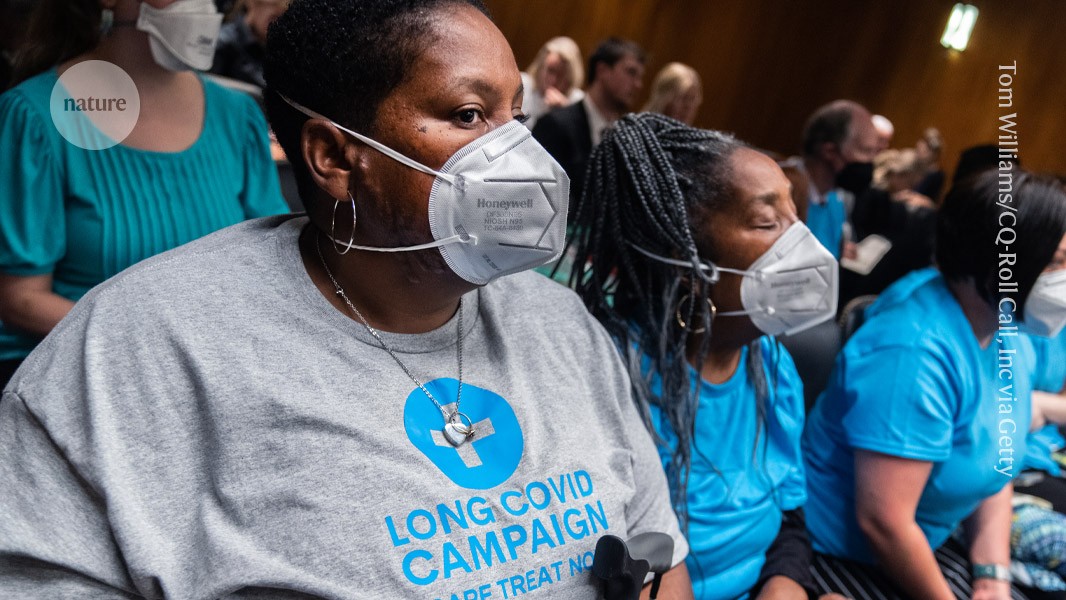
Germany will allocate €500 million from 2026–2036 to a National Decade Against Post-Infectious Diseases to support research on long COVID, ME/CFS, and other post-infection syndromes. High prevalence estimates—about one in five in a 2022 German cohort and one in seven in the United States by late 2023—underline a large healthcare and economic impact, with global costs estimated at US$1 trillion annually. Funding will support studies of pathophysiology, immunology, diagnostics, biomarkers, mental health, neurology, and long-term health consequences. No simple therapies currently exist for ME/CFS and post-viral autoimmune diseases, and disease mechanisms are complex. Researchers describe the funding as a major step.
"Germany is one of many countries facing an unprecedented health burden owing to long COVID and other post-infection syndromes since the COVID-19 pandemic. Almost one in five people in a German cohort had long COVID in 2022, and around one in seven people in the United States were affected by long COVID by late 2023. This translates to a significant burden on healthcare and the economy - the syndrome is estimated to cost the world economy US$1 trillion every year."
"The German government aims to fund research into a wide variety of post-infectious diseases, including Long COVID and ME/CFS. It also aims to cover a range of topics, including the pathophysiology and immunology of the conditions, diagnostics and biomarkers, mental health and neurology, and long-term consequences on health."
Read at Nature
Unable to calculate read time
Collection
[
|
...
]