"If caught early, conditions like diabetes and high blood pressure can often be managed to lower risks for mom and baby - sometimes with 'easy interventions' like starting aspirin. As more patients enter pregnancy with chronic conditions, early treatment becomes even more critical. These are therapies 'we know make a big difference in patients' lives,' but they're most effective if they're started in that first trimester."
"Growing maternity care deserts and insurance coverage gaps are a concern for patients and providers. Rural hospitals have closed, practices have scaled back obstetric services, and there are Medicaid patients who struggle to get appointments covered. In some cases, patients need proof of pregnancy to enroll in Medicaid but can't obtain that proof without an appointment, creating a Catch-22."
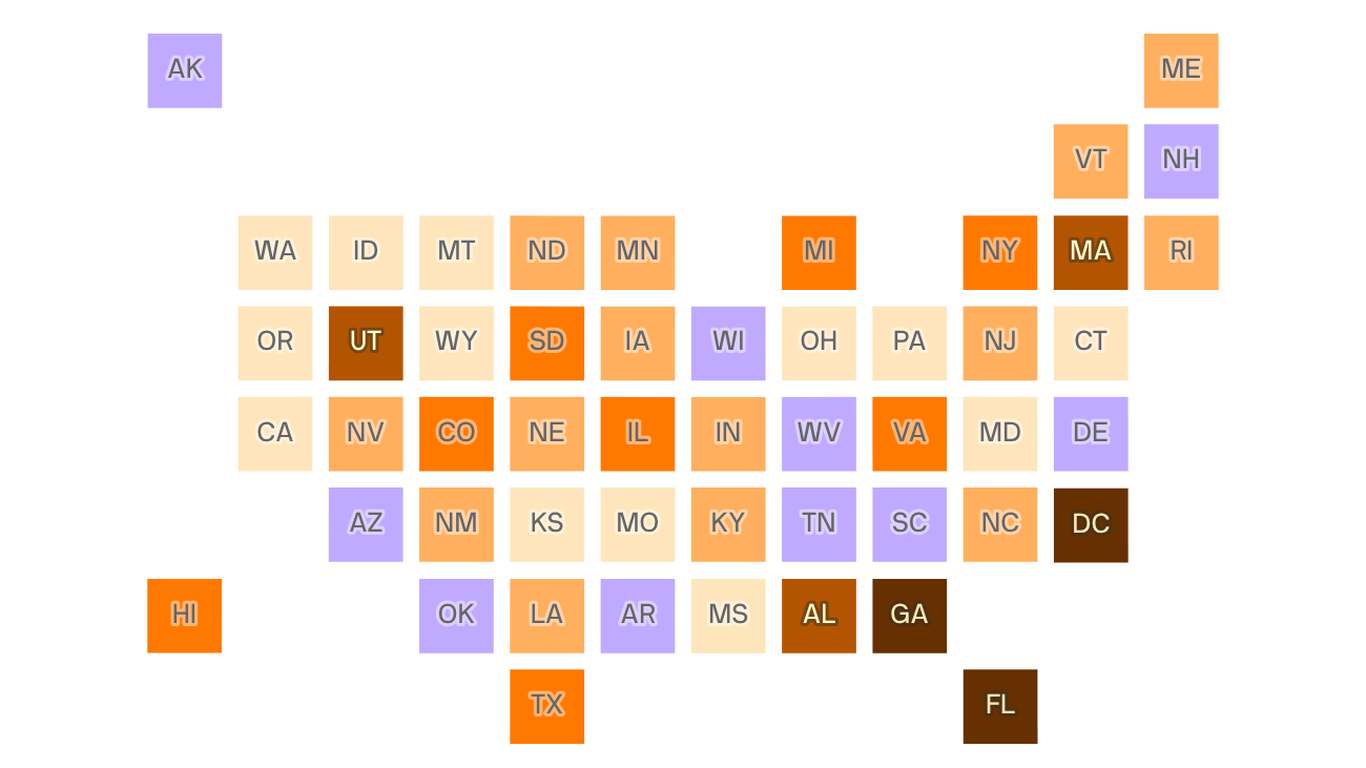
First-trimester prenatal care rates in the United States declined from 78.3% in 2021 to 75.5% in 2024, according to CDC analysis of birth certificates. Late or no prenatal care increased from 6.3% to 7.3% nationally, with at least 36 states and D.C. experiencing increases. This decline spans every age group and nearly all racial and ethnic groups. Early prenatal care is critical for managing chronic conditions like diabetes and high blood pressure through interventions such as aspirin therapy. Growing maternity care deserts, insurance coverage gaps, rural hospital closures, and Medicaid enrollment barriers contribute to reduced access. Health systems are being monitored for adoption of streamlined prenatal care models for low-risk patients.
#prenatal-care-access #maternal-health-disparities #healthcare-infrastructure #insurance-coverage-barriers #chronic-disease-management
Read at Axios
Unable to calculate read time
Collection
[
|
...
]