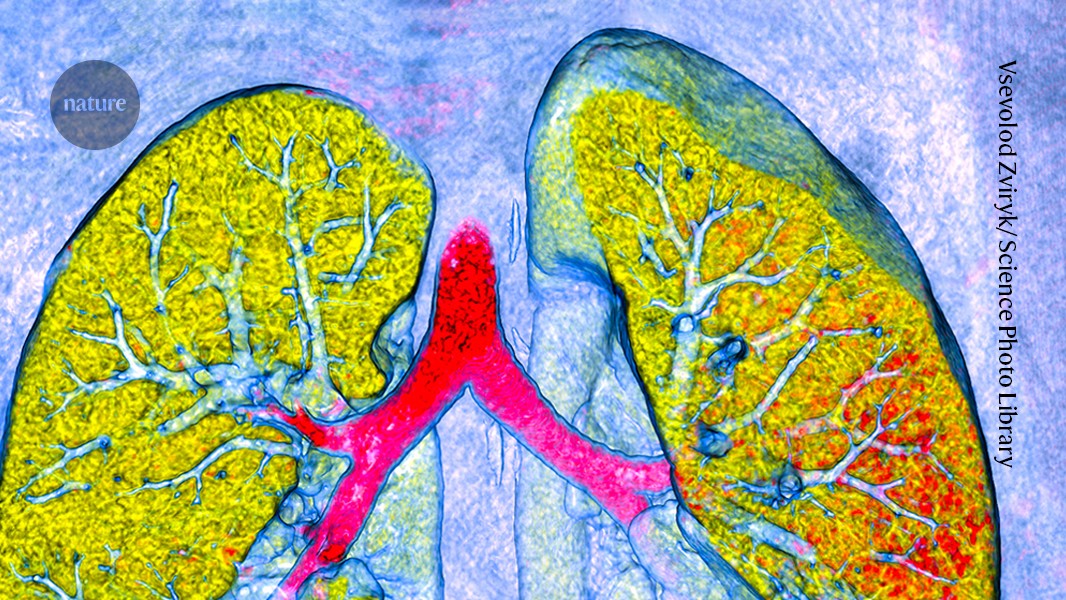
"IPF causes progressive scarring of the lungs that makes it increasingly difficult to breathe and its cause is unclear. It often starts with a persistent cough. Typically, people with such symptoms are initially treated for pneumonia or bronchitis. After a couple of months without relief, the person might receive a lung X-ray, but this is usually inconclusive. Sometimes, a cardiologist checks whether heart failure is causing the person's shortness of breath. This leads to an echocardiogram, then an angiogram."
"Of course, diagnosis is not an end in itself, but rather a necessary step before the right treatment can be chosen. But in the case of pulmonary fibrosis, diagnostic delay has particular consequences. Nothing can reverse the scarring that has already occurred, but there are antifibrotic drugs that can slow the progression of the condition. The earlier that those can be prescribed, the sooner that lung function can be stabilized and the longer the person might live."
Idiopathic pulmonary fibrosis (IPF) causes progressive scarring of the lungs that impairs breathing and often begins with a persistent cough. Initial symptoms are frequently treated as pneumonia or bronchitis, and early lung X-rays are often inconclusive. Patients commonly undergo cardiac evaluations before pulmonology referral. Pulmonologists perform lung-function tests and sometimes lung scans; diagnosis often occurs one to two years after symptoms begin. Diagnostic delay permits disease advancement and reduces survival to roughly three to five years after diagnosis. Antifibrotic drugs cannot reverse existing scarring but can slow progression, making earlier detection and treatment critical. Efforts focus on improved imaging, artificial-intelligence analysis of scans, and broader screening.
Read at Nature
Unable to calculate read time
Collection
[
|
...
]