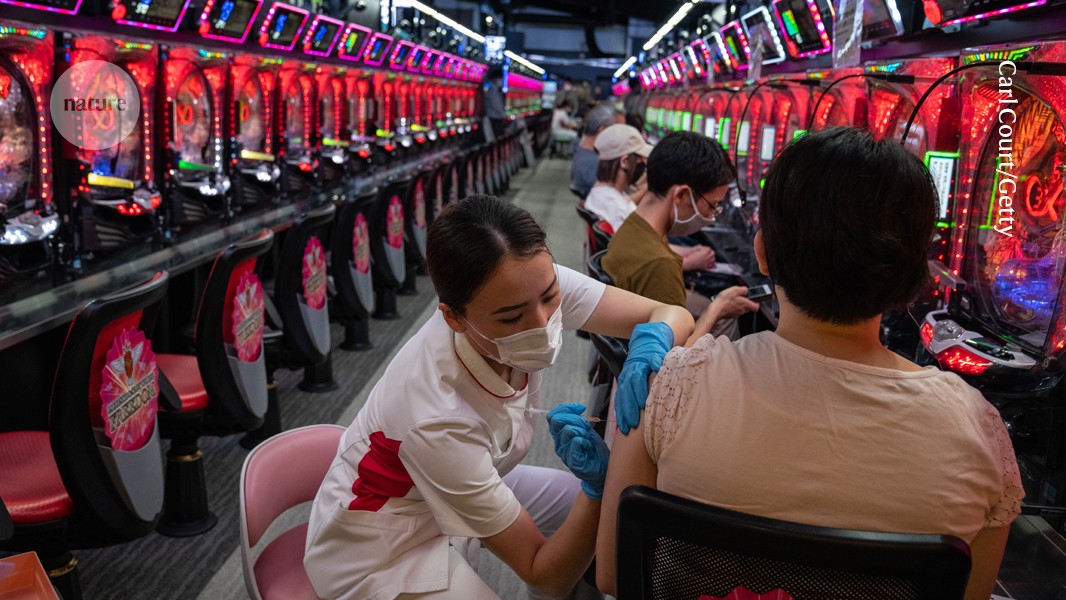
"Half a world away, specialists in Japan say they have some hard-won wisdom to offer. They watched flu and pneumonia deaths spike after the Japanese government stopped pushing parents to have their children vaccinated against influenza. They witnessed rubella outbreaks driven by shifting vaccine guidance that left a segment of the population vulnerable. And they saw an unfounded media scare turn the public away from immunizations against human papillomavirus (HPV), which is responsible for nearly all cases of cervical cancer."
"The new US childhood vaccine roster, announced on 5 January, no longer recommends that all children receive vaccines against rotavirus, COVID-19, influenza, meningococcal disease, hepatitis A and hepatitis B. That does not mean the vaccines will be out of reach: several remain recommended for certain high-risk groups, and all of the vaccines will still be covered by federal health-insurance programmes. Parents can still make their own decisions about whether their children receive the vaccines, at least for now."
US officials removed several vaccines from universal childhood recommendations, including rotavirus, COVID-19, influenza, meningococcal disease, hepatitis A and hepatitis B. Several of these vaccines remain recommended for high‑risk groups and continue to be covered by federal health‑insurance programmes, and parents retain the option to vaccinate their children. Japanese health specialists report that reduced government promotion led to spikes in flu and pneumonia deaths, rubella outbreaks after shifting guidance, and a steep decline in HPV vaccination following an unfounded media scare. Reduced official backing can increase vaccine hesitancy, legal exposure for clinicians, and uneven protection across populations.
Read at Nature
Unable to calculate read time
Collection
[
|
...
]