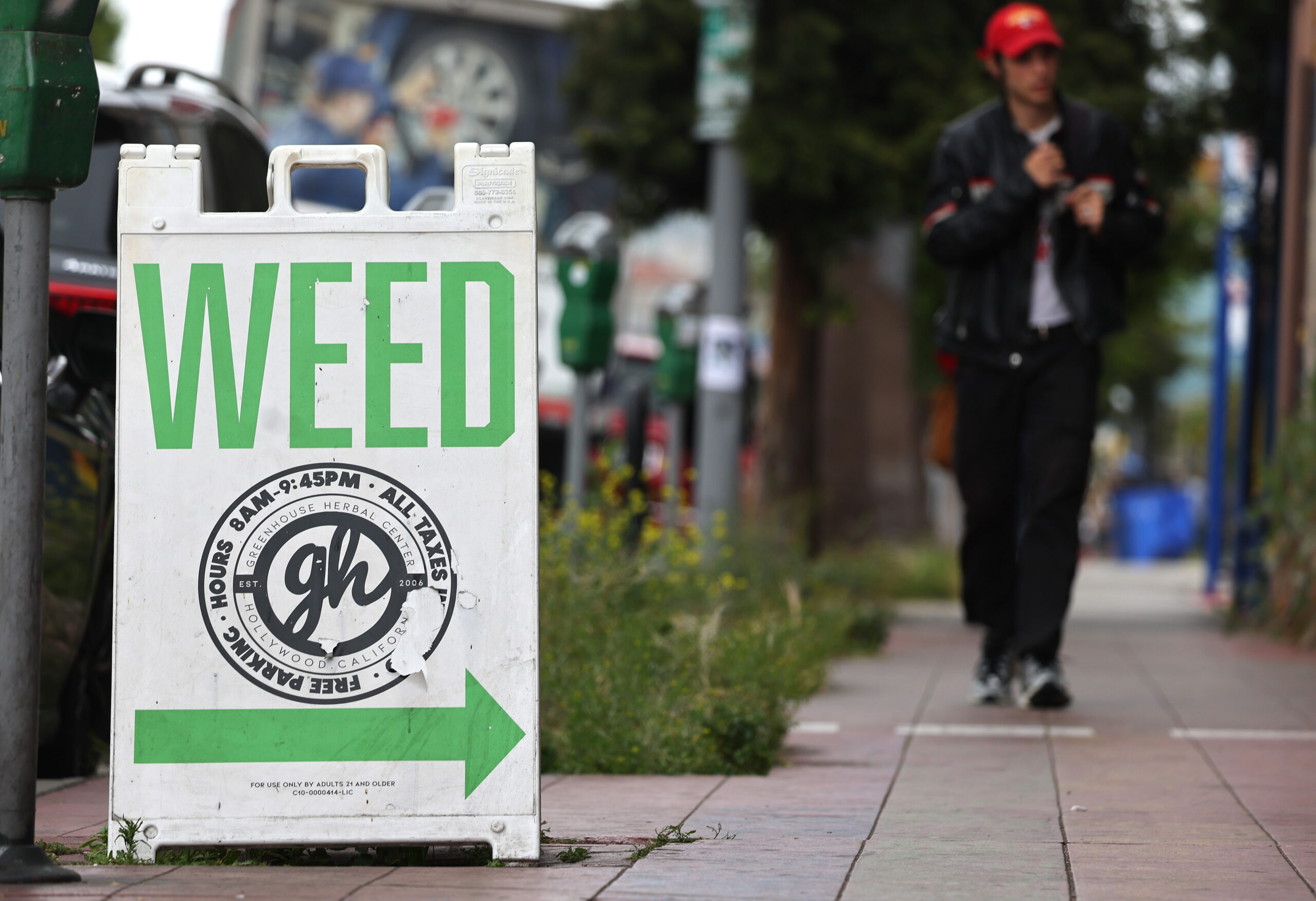
"This wider use has caused a rise in addiction and other problems, the board writes. Each year, nearly 2.8 million people in the United States suffer from cannabinoid hyperemesis syndrome, which causes severe vomiting and stomach pain. More people have also ended up in hospitals with marijuana-linked paranoia and chronic psychotic disorders. Bystanders have also been hurt, including by people driving under the influence of pot."
"I am personally extremely anti-marijuana. Refusing to smoke weed is one of the four planks of the Greerhead Pledge. It's a nasty habit that turns people into unproductive slugs. It reduces brain function and increases the chance of mental illness. It's not even a good social drug like alcohol. People don't gain the urge to socialize under its influence. It would be better if it were banned, with some exceptions made for medicinal use."
Marijuana use has increased, with millions using frequently and more daily users than alcohol. Wider use has led to rises in addiction, cannabinoid hyperemesis syndrome affecting nearly 2.8 million annually, hospitalizations for marijuana-linked paranoia and chronic psychotic disorders, and harm to bystanders from people driving under the influence. Prohibition creates distinct harms, so regulation, taxation, and inconvenience-based limits are recommended over bans. Cultural libertarian attitudes make wholesale prohibition politically unlikely. Targeted regulatory measures similar to tobacco controls could reduce use and harm. Some people oppose legalization, arguing that cannabis reduces cognition, increases mental illness risk, and should be banned except for medical use.
Read at The American Conservative
Unable to calculate read time
Collection
[
|
...
]