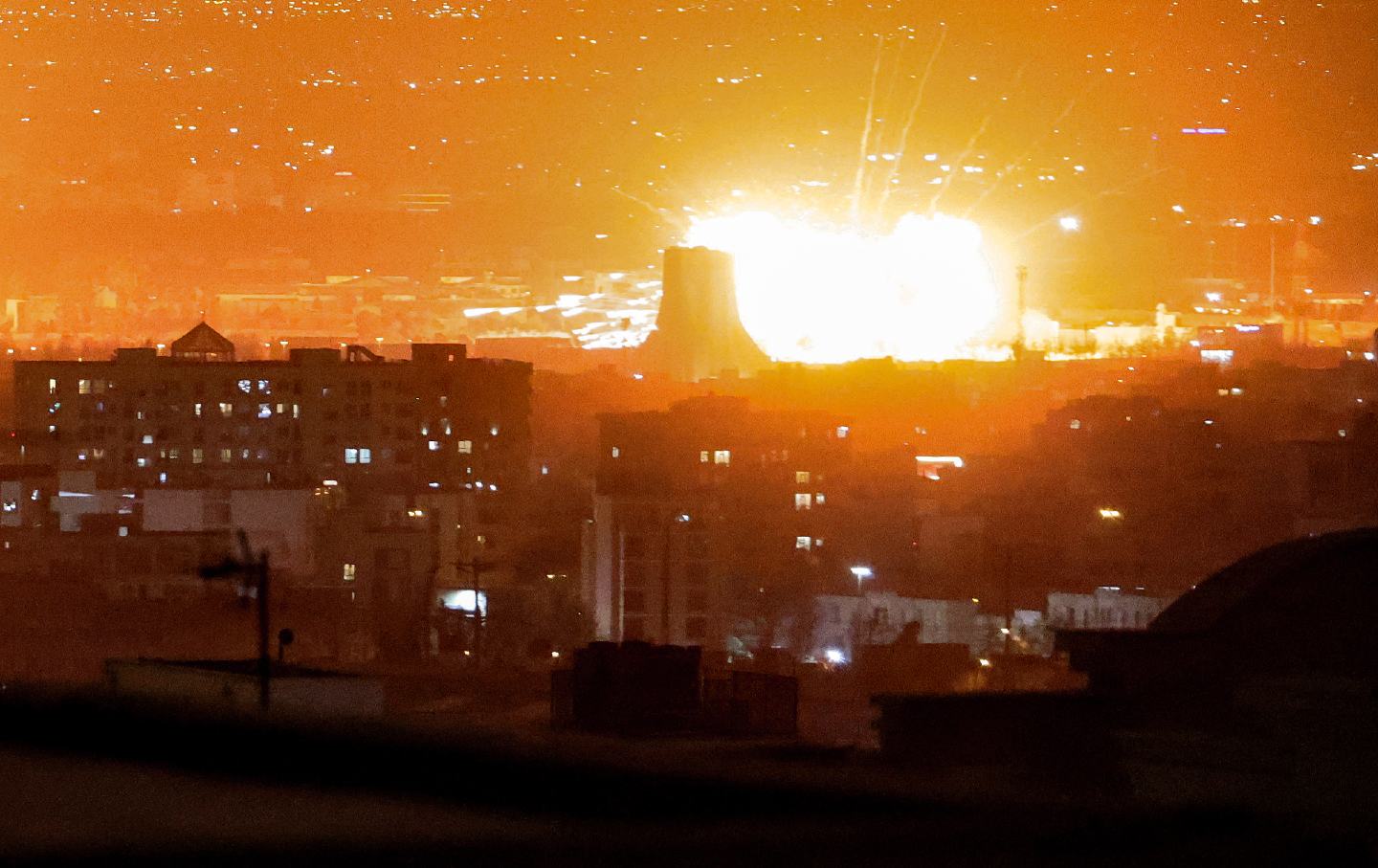
"“Guns” is the stand-in for a well-funded military and “butter” for all the human goods, comforts, and needs of a society. Economists, politicians, and generals have long considered the balance of guns and butter. Wage too many wars, produce too many arms, and there won't be enough money to keep a nation decently fed and comfortable. Produce too many consumer goods, meet everyone's needs, and a nation might find itself ill-prepared and vulnerable in the face of a possible attack or even invasion."
"At some point, one of those groups created a pen that had a long scroll on a pull-out flap inside it. At parties, as you were discussing the military budget, you could take out that pen and unfurl a long bar graph comparing U.S. military spending to the budgets for education, healthcare, and infrastructure. Neat trick, right?"
"Defense Secretary Pete Hegseth was on Capitol Hill on April 30th, supporting a lowball estimate of the war costs as a mere $25 billion (and worth every dollar!) and asking for support for an inconceivable $1.5 trillion for Trump's war machine in"
“Guns” represents a well-funded military, while “butter” represents human goods, comforts, and societal needs. Economists, politicians, and generals have long weighed the balance between war preparation and domestic well-being. Excessive war production can leave insufficient money for feeding and maintaining a nation. Excessive consumer production can leave a nation vulnerable to attack or invasion. Visual tools have been used to dramatize opportunity costs by comparing military spending with budgets for education, healthcare, and infrastructure. A new factsheet provides a breakdown of how the cost so far of an Iran-related military effort could have been spent differently, using Pentagon supplemental funding requests as the basis for the figures.
Read at The Nation
Unable to calculate read time
Collection
[
|
...
]