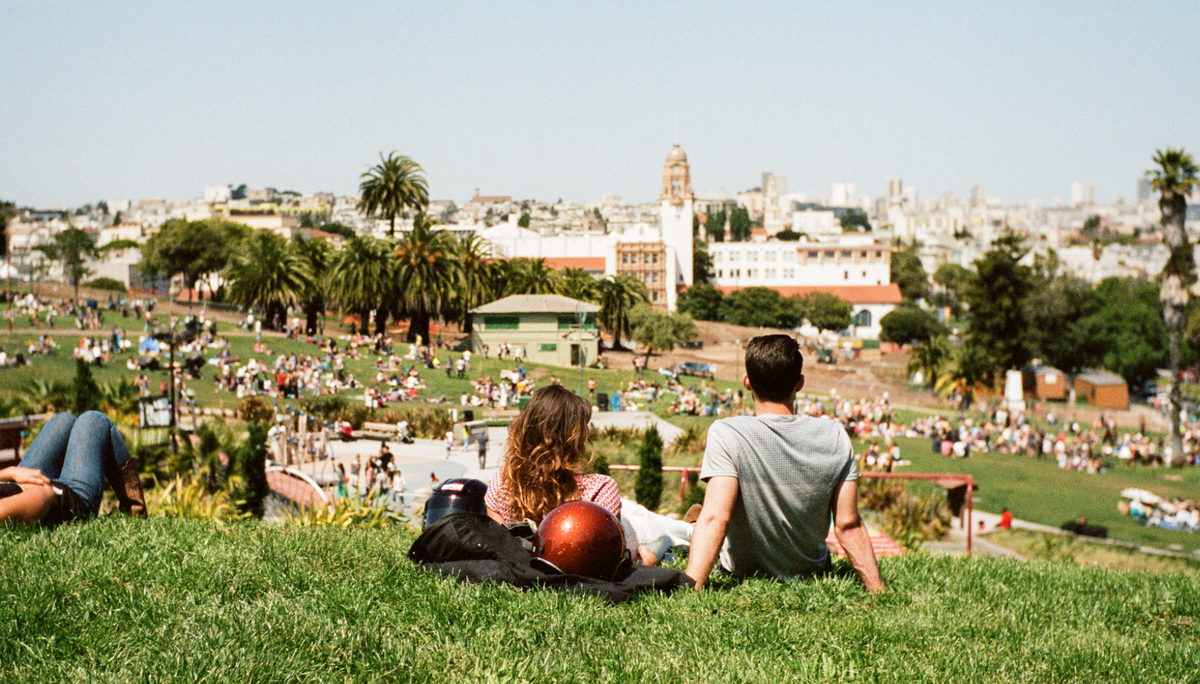
"The city's hills, its position between the Pacific Ocean and the Bay, and the movement of fog through gaps in the terrain create temperature swings of up to 25 degrees between neighborhoods at the same hour on the same day. During a statewide heat wave, the western edge of the city might top out at 70 while Noe Valley hits 95."
"Twin Peaks, where I live on the western slope, acts as a massive fog dam: everything to its east stays warmer, everything to its west gets socked in. Knowing your neighborhood's microclimate isn't trivia. It's survival strategy."
San Francisco's climate is highly variable due to its hills, position between the Pacific Ocean and Bay, and fog patterns that create distinct microclimates across neighborhoods. Temperature differences can reach 25 degrees between areas on the same day. The Mission District is the hottest neighborhood, while the Sunset and Richmond are coldest and foggiest. Twin Peaks acts as a fog barrier, keeping western areas cooler and eastern areas warmer. Approximately half of San Francisco metro area households lack air conditioning, forcing residents to adapt to heat waves through various strategies. Understanding your neighborhood's specific microclimate is essential for managing extreme temperature swings.
#san-francisco-climate #urban-microclimates #heat-waves #neighborhood-temperature-variation #climate-adaptation
Read at The Bold Italic
Unable to calculate read time
Collection
[
|
...
]