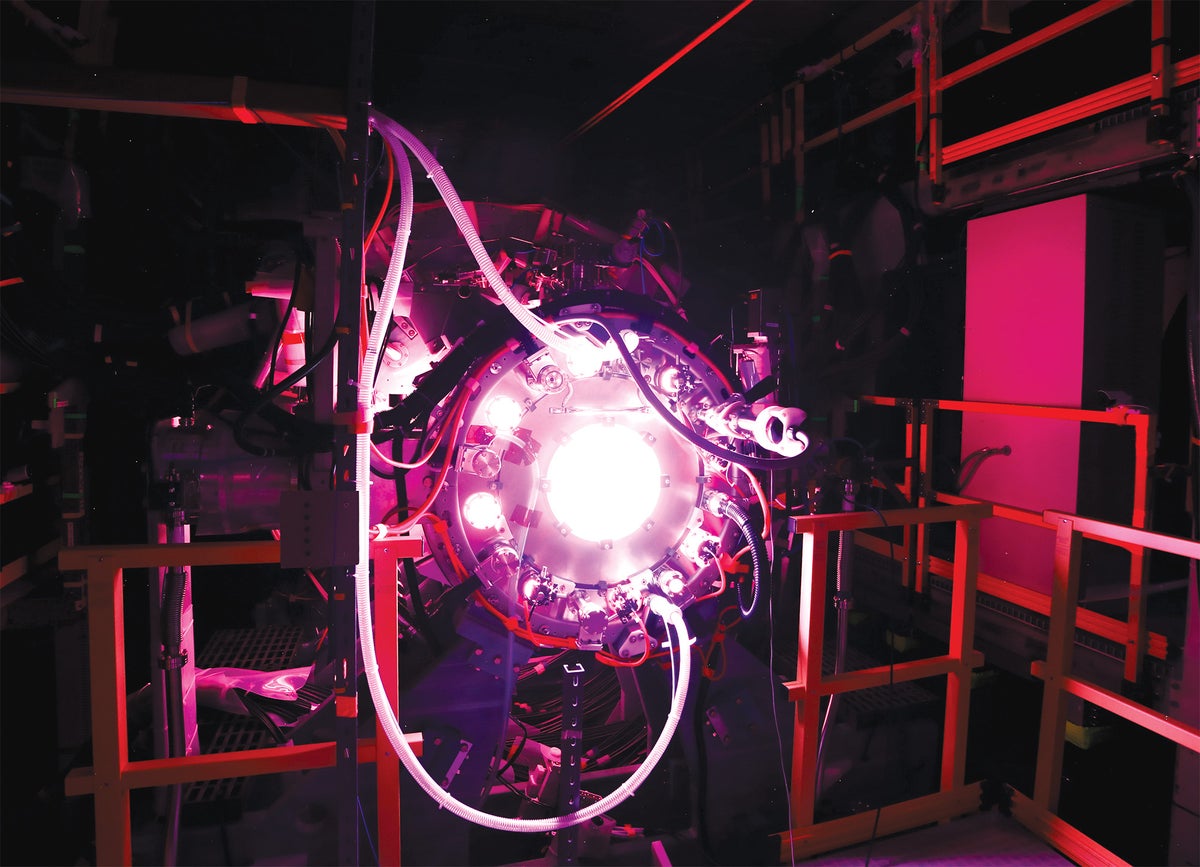
The Columbia River near Malaga, Washington, has powered the Pacific Northwest since 1933 through the Rock Island Dam. Nearby, Helion Energy is constructing Orion, a fusion power machine intended to become the first fusion power plant and deliver 50 megawatts of electricity to Microsoft data centers by 2029. The fusion industry has long focused on laboratory milestones and shifting timelines, but Helion is making a commercial promise backed by substantial private funding and high-profile support. The urgency is intensified by data centers’ need for reliable, around-the-clock electricity and the appeal of firm, carbon-free power. Big tech companies are signing long-term power deals before any fusion plant has produced electricity.
"Helion Energy, one of the world's best-funded private fusion companies, is building what it calls Orion: a machine it says will become the world's first fusion power plant, delivering 50 megawatts of electricity to Microsoft data centers by 2029. In a field long dominated by laboratory milestones and moving timelines, Helion, backed by the likes of OpenAI CEO Sam Altman, is the first fusion company to make a commercial promise, one that provides a useful lens on the new industry: well-funded, ambitious and entangled with artificial intelligence's huge appetite for power."
"The pressure's on for Helion and everyone else, says David Kirtley, Helion's CEO. He has a ready reply to the old joke about fusion always being 20 years away. I say, We're 20 years late. We need to step up and build these [plants] and deploy them at scale.' On supporting science journalism If you're enjoying this article, consider supporting our award-winning journalism by subscribing."
"Private money has flooded the field. Big tech companies are signing power deals with fusion firms years before any commercial machine has delivered electricity. AI is not the only reason for this rush, but it has sharpened the urgency. Data centers require staggering amounts of around-the-clock electricity; fusion start-ups are selling a path to firm, carbon-free power. It's a situation that's certainly unlike any other energy technology, says Troy Carter, director of the Fusion Energy Division at Oak Ridge National Laboratoryand, he adds, maybe unlike other technologies."
Read at www.scientificamerican.com
Unable to calculate read time
Collection
[
|
...
]