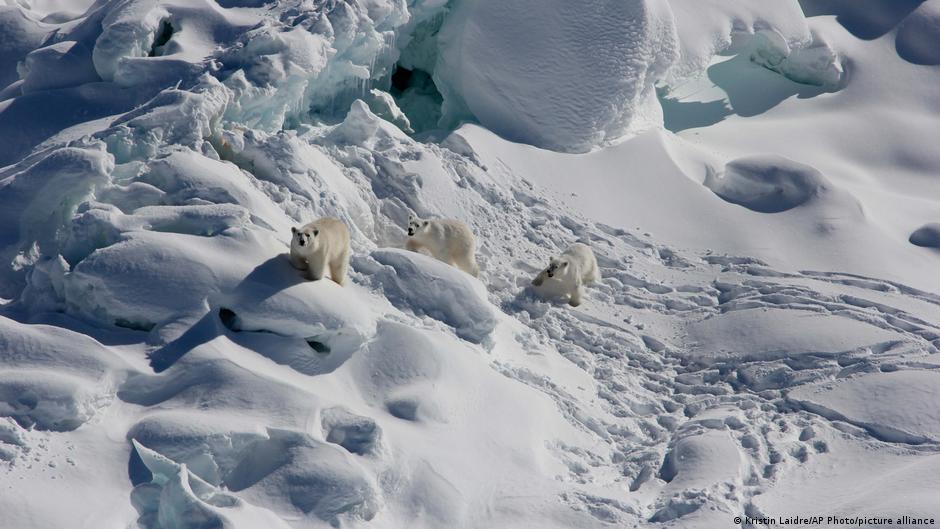
Arctic nations have collaborated across physical, biological and social sciences for over 30 years to study rapid regional change. Since the late 1970s the Arctic has lost about 33,000 square miles of sea ice annually, roughly the size of Czechia. Cold War-era scientific exchanges included US-Russia cooperation alongside Canada, Denmark, Norway, Iceland, Finland and Sweden. The Arctic Council's 1991 establishment strengthened cooperation. Russia's 2022 invasion of Ukraine froze decades of shared science. Further fraying of Europe-US political ties could jeopardize research. Greenland's ice sheet covers about four fifths of the island and contains ice-core records and potential rare-earth resources. Complete loss of the sheet could raise sea levels by 7.4 meters, threatening millions.
"Decades of successful scientific collaboration could be at risk if Europe-US political relations continue to fray over trade and defense issues. For more than 30 years, Arctic nations have worked together across the physical, biological and social sciences to understand one of the world's fastest changing regions. Since the late 1970s, the Arctic has lost around 33,000 square miles of sea ice each year roughly the same area as Czechia."
"Even during the Cold War, scientists from the US and Russia conducted, shared and often collaborated on research, along with researchers from Canada, Denmark, Norway, Iceland, Finland and Sweden. When the Cold War ended, the establishment of the Arctic Council in 1991 further improved scientific cooperation. But some old barriers rose again when Russia invaded Ukraine in 2022, freezing decades of shared science in the Arctic."
"Greenland, the most recent object of US President Donald Trump's ambition for territorial expansion, is Earth's proverbial "canary in the coalmine" an early warning sign of rising danger. Around four fifths of Greenland is covered by a massive icesheet a precariously positioned tipping point in the climate crisis which is melting away, thanks to rising human carbon emissions. The ice might expose access to Greenland's rare earth mineral deposits, which resource-hungry economies may favor,"
Read at www.dw.com
Unable to calculate read time
Collection
[
|
...
]