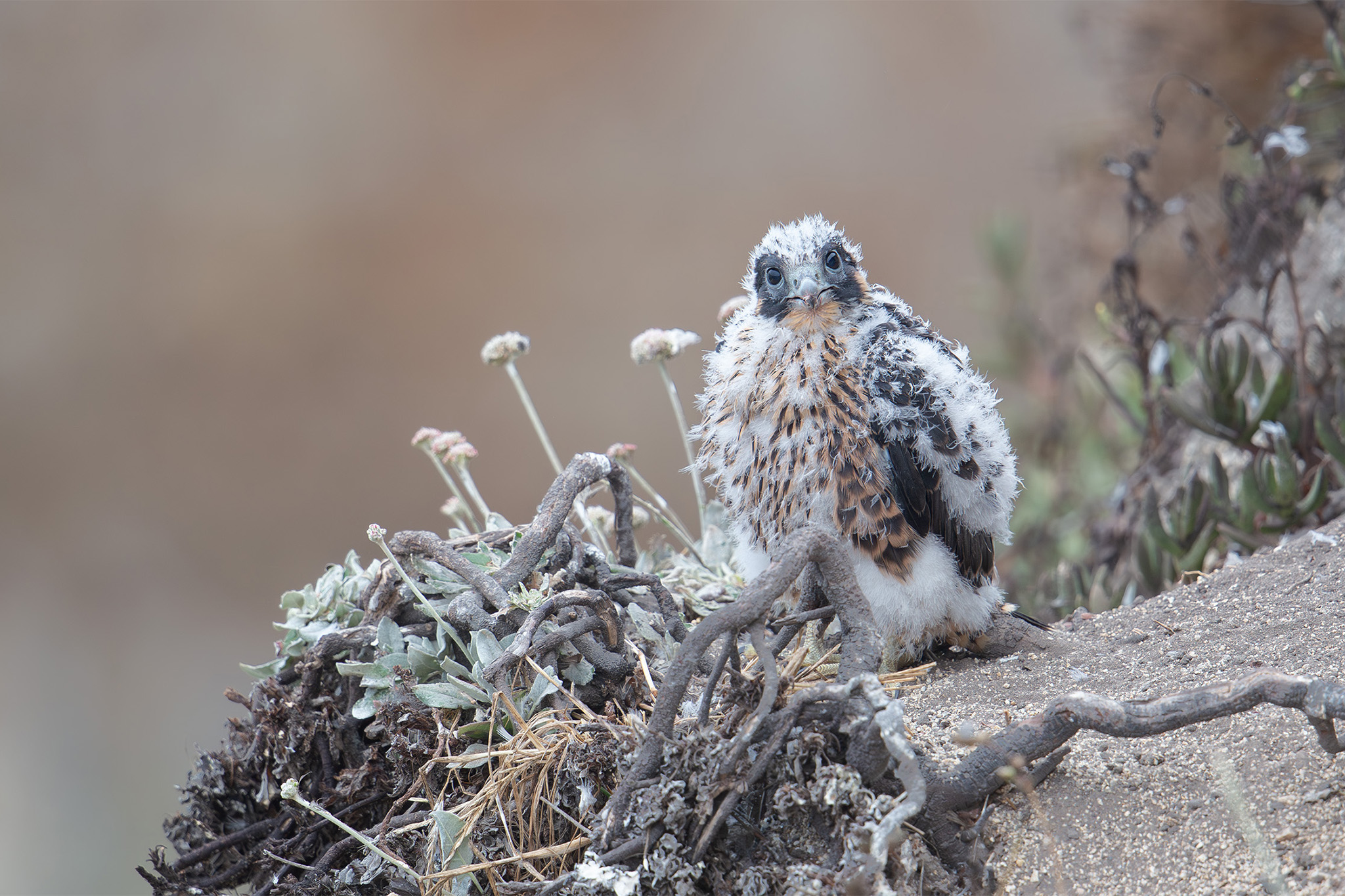
"Bay Area peregrine falcon numbers began plummeting after a massive, global outbreak of avian flu in 2020, the study documents, with only about a third of the nesting sites still in use as of 2025. The news, while dire, nevertheless helps scientists understand how the disease is impacting local populations, and what we can expect for their recovery."
"Avian flu - and in particular, the aggressive strain H5N1 - is caused by a virus that passes through direct contact with saliva or feces or through feeding on infected prey. Symptoms include tremors, lethargy and reduced or misshapen eggs, though some birds die suddenly without ever showing symptoms."
"The depth of the data is something we're really proud of, Zeka Glucs, the director of the Predatory Bird Research Group at UC Santa Cruz and lead author of the study, told SFGATE. And while the situation seems grim, as long as there are nests, there is hope."
Since February, biologists have been managing an avian flu outbreak affecting over 1,300 elephant seals at Año Nuevo State Park, marking the first detection of the virus in California marine mammals with at least 30 seal deaths. A new study reveals that peregrine falcons in the Bay Area have likely been dying from the same H5N1 strain for years. Research tracking falcon populations across 26 years at dozens of nesting sites shows a sharp decline following the 2020 global avian flu outbreak, with only about one-third of nesting sites remaining active as of 2025. The virus spreads through direct contact with saliva, feces, or infected prey, causing tremors, lethargy, egg deformities, and sudden death. Scientists continue investigating disease transmission patterns and species at risk.
#avian-flu-h5n1 #peregrine-falcon-decline #marine-mammal-disease #wildlife-population-monitoring #bay-area-ecology
Read at SFGATE
Unable to calculate read time
Collection
[
|
...
]