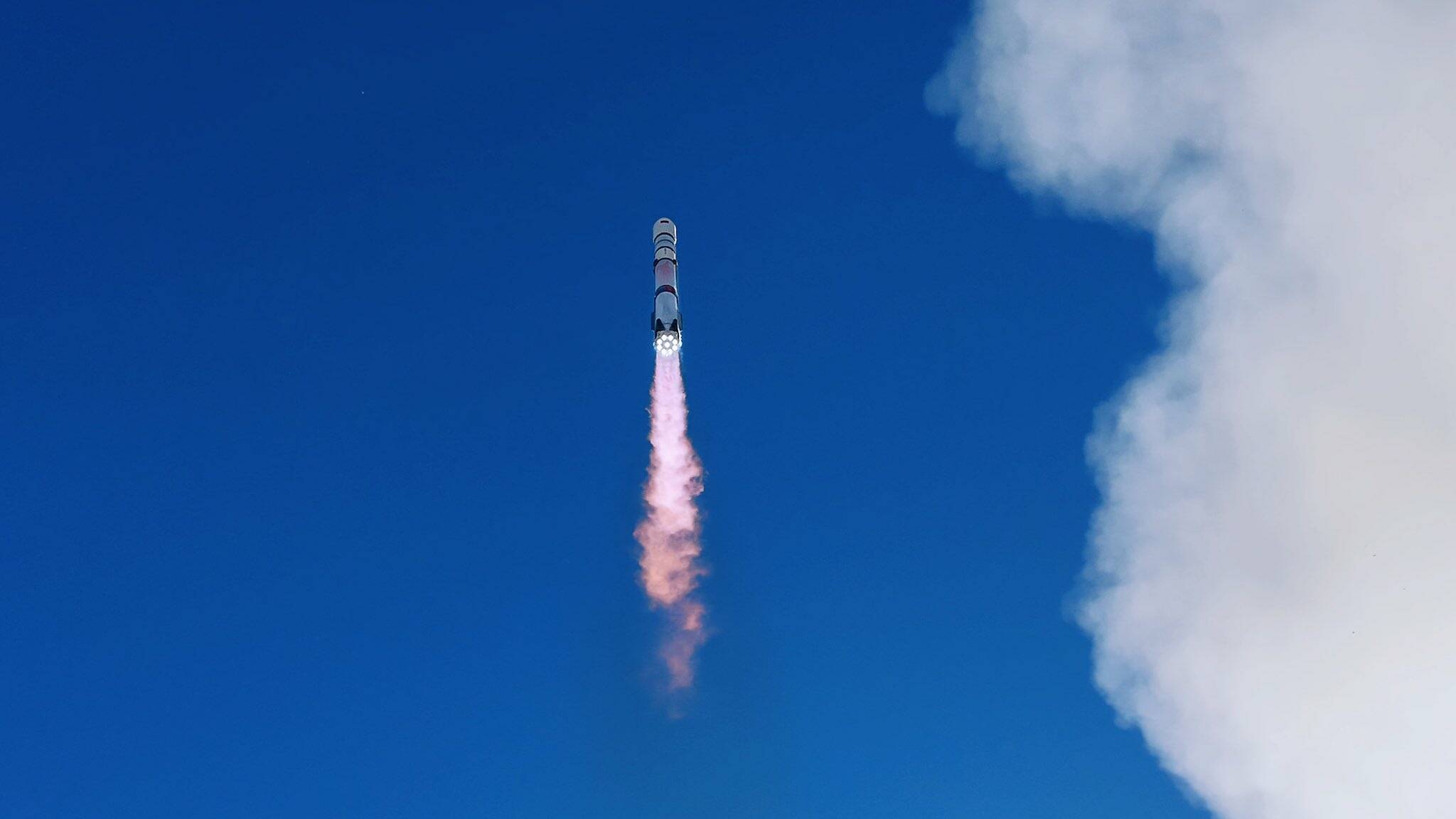
"The rocket launched on December 3, 2025, and successfully reached orbit. ZhuQue-3 is a two-stage rocket capable of lofting slightly more than 18 metric tons if the first stage is recovered (the figure is slightly higher if no recovery is attempted). We're sure that any similarities with SpaceX's Falcon 9 are purely coincidental. Nine Tianque-12A engines power the ZhuQue-3 first stage, and the plan is for the booster to land vertically."
"Each booster should be good for at least 20 reuses, making it handy for building a satellite constellation (and the payload means plenty of satellites can be carried on a single launch). There is also plenty of stainless steel used in the rocket's construction. SpaceX's Starship is famously made out of the stuff. The mission itself went well. The first and second stages separated successfully, the fairing was discarded, and the second stage coasted in flight before restarting its Tianque-15A vacuum engine."
"The first stage should have returned to make a soft landing following stage separation, but things didn't quite turn out that way. During the landing phase, the first stage "experienced an anomaly after ignition." The result was a fireball that showered debris on the edge of the recovery pad, showing how close the LandSpace team had come to nailing the landing after the first orbital launch."
ZhuQue-3 launched on December 3, 2025, and successfully reached orbit. The two-stage vehicle can loft slightly more than 18 metric tons when the first stage is recovered. Nine Tianque-12A engines power the first stage, which is designed for vertical landings and at least 20 reuses to support satellite-constellation deployment. The vehicle uses substantial stainless steel in its structure. The mission saw clean staging, fairing separation, and a second-stage Tianque-15A restart, but the first stage experienced an anomaly after ignition during landing, producing a fireball and debris on the recovery-pad edge.
Read at Theregister
Unable to calculate read time
Collection
[
|
...
]