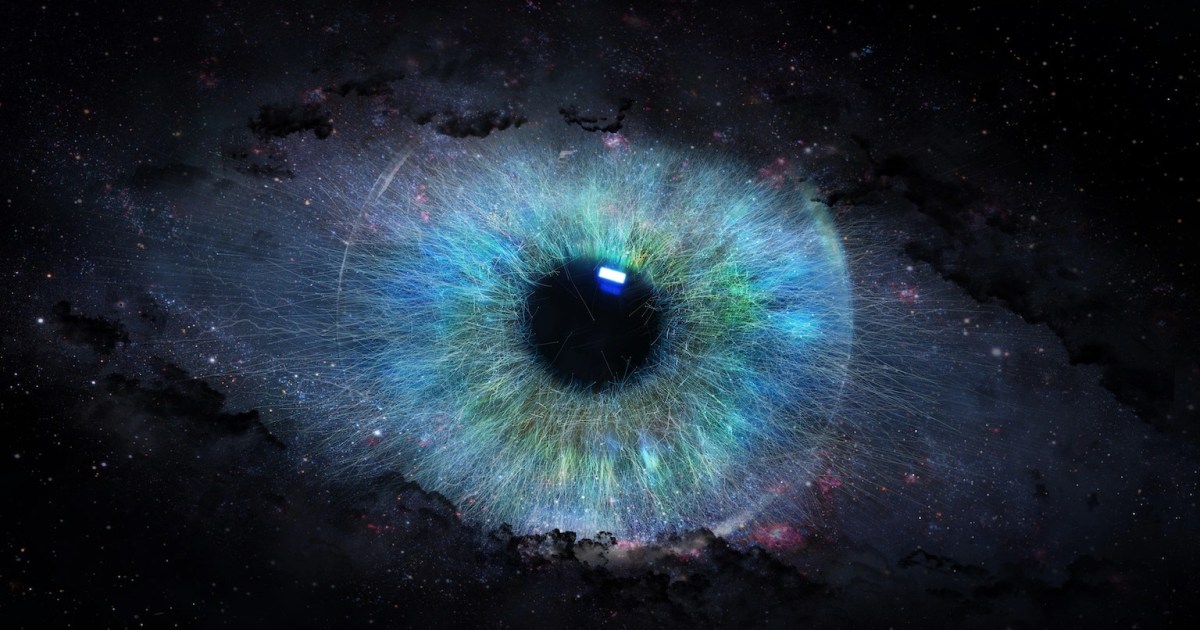
"Science is neither a collection of facts nor merely a process, but rather the combination of both. All at once, science is simultaneously the full suite of knowledge that we gain from observing, measuring, and performing experiments that test the Universe, as well as the process through which we perform those investigations and refine our conclusions based on an ever-increasing set of data."
"But in many ways, the human endeavor of science is the ultimate pursuit of truth: the truth of our reality as shared by each and every one of us. By asking the natural world and Universe questions about itself, we seek to gain an understanding of: what the Universe is like, what the rules that govern it are, and how things came to be the way they are today."
Science seeks objective knowledge by asking the natural world and Universe questions about what the Universe is like, what rules govern it, and how things came to be. Science combines empirical knowledge and the investigative process of observing, measuring, and performing experiments that test hypotheses while refining conclusions as data accumulates. Scientific truth differs from everyday truth because it depends on testable evidence, reproducibility, and openness to revision rather than absolute certainty. Determinations of scientific truth rest on methods that expose claims to observation and experiment and assess them against an increasing body of data. Simple assertions such as "The Earth is round" are evaluated within these scientific frameworks and conditions.
Read at Big Think
Unable to calculate read time
Collection
[
|
...
]