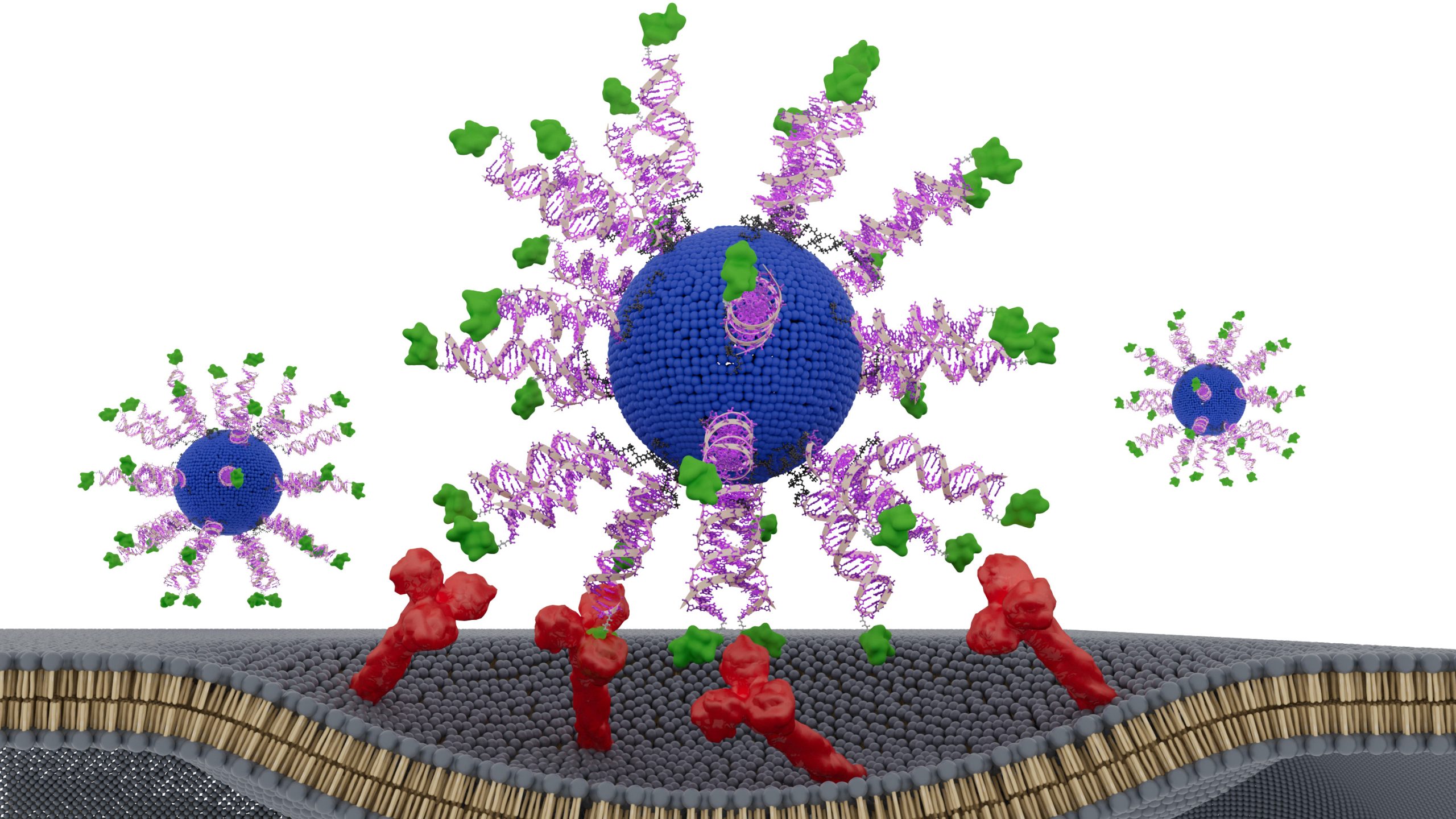
"After proving this concept across multiple studies, the team developed therapeutic cancer vaccines to tackle one of the most challenging targets yet - HPV-driven tumors. In a new study published in Science Advances, the scientists discovered that systematically changing the orientation and placement of a single cancer-targeting peptide can lead to formulations that supercharge the immune system's ability to attack tumors."
"The team first designed a vaccine as a spherical nucleic acid (SNA) - a globular form of DNA that naturally enters and stimulates immune cells - and deliberately rearranged the SNA's components in various ways. Then, they tested each version in humanized animal models of HPV-positive cancer and in patient-derived head and neck cancer tumor samples."
"One vaccine design consistently outperformed the others - shrinking tumors, extending animal survival and generating larger numbers of highly active cancer-killing T-cells. The results show how a subtle change in the components' arrangement can dictate whether a therapeutic nanovaccine weakly activates the immune system or drives an overwhelmingly potent, tumor-destroying response."
Spherical nucleic acid (SNA) vaccine architecture critically determines immune activation and therapeutic potency. Systematic alteration of the orientation and placement of a single cancer-targeting peptide within SNAs produced formulations with markedly different outcomes. One specific arrangement consistently reduced HPV-positive tumor size, prolonged survival in humanized animal models, and increased numbers of highly active cytotoxic T cells. Tests on patient-derived head and neck tumor samples corroborated enhanced immune-mediated tumor killing. Structural nanomedicine leverages SNA configurations to identify spatial arrangements that maximize efficacy, demonstrating that subtle changes in component placement can convert weak stimulatory vaccines into overwhelmingly potent, tumor-destroying agents.
Read at News Center
Unable to calculate read time
Collection
[
|
...
]